
As electric vehicles become more common, battery durability is moving from theory to real-world observation. Early fears about rapid battery failure are increasingly being challenged by warranty data, owner reports, and manufacturer testing.
Battery packs remain one of the most expensive components in any EV, which explains why electric cars generally cost more upfront than comparable combustion-engine vehicles. That cost is tied largely to lithium-ion battery production, even as automakers continue working to reduce manufacturing expenses and improve long-term battery performance.
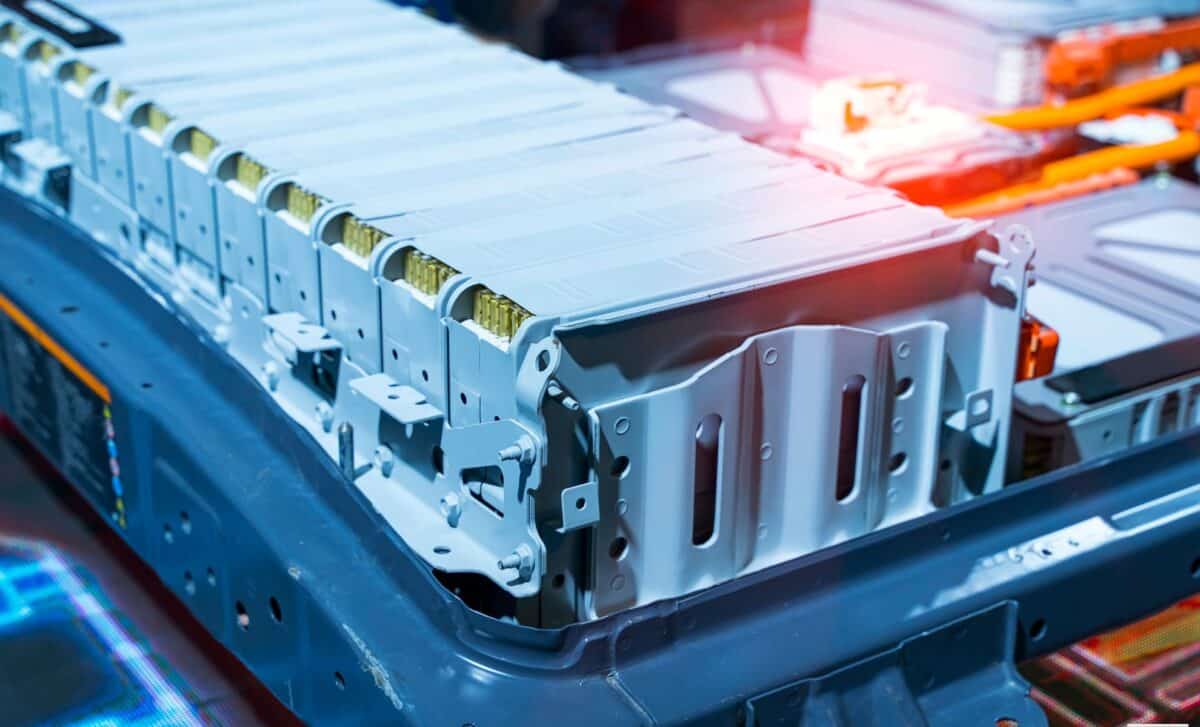
How Lithium-ion Batteries Power Modern Electric Vehicles
Most electric vehicles today rely on lithium-ion battery packs, a technology already supported by large-scale manufacturing infrastructure. While alternative battery chemistries regularly make headlines, lithium-ion remains the dominant solution because of its maturity and widespread adoption.
Lithium-ion batteries offer several major advantages. They provide higher energy density than traditional lead-acid batteries and nickel-metal hydride batteries used in some hybrid vehicles. They also lose charge relatively slowly, self-discharging at around 1 to 2 percent per month under stable weather conditions. These batteries do not require periodic full discharges or electrolyte maintenance, and they deliver stable voltage even as charge levels decline.
There are trade-offs. Lithium-ion batteries are expensive to manufacture, and sourcing materials such as cobalt and nickel raises environmental and humanitarian concerns. Battery management systems are also critical because full charges, full discharges, overheating, and extreme temperatures can all negatively affect battery life.
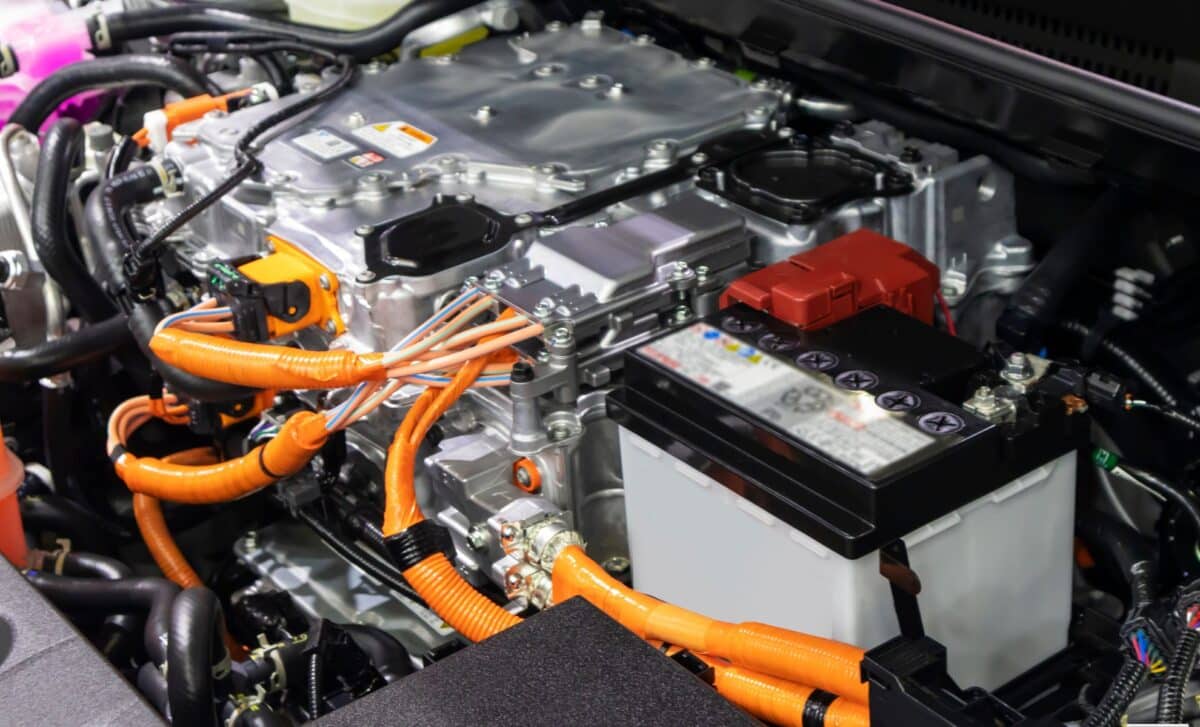
Automakers address many of these limitations through software and thermal management systems. These systems regulate battery temperature and charging behavior to preserve efficiency and long-term durability in both cold and hot climates.
The Audi Q6 e-tron illustrates how battery technology is evolving. Sharing its platform with the electric Porsche Macan, the Q6 uses a battery pack that is smaller, lighter, and built with fewer cells than previous e-tron models. It also uses fewer rare earth materials and can be produced in roughly half the time compared with earlier battery packs. Audi also integrates software allowing the battery to charge as two virtual battery packs in parallel to reduce voltage losses.
How Long EV Batteries Actually Last
Battery warranties provide the clearest baseline for expected lifespan. Most automakers currently offer at least eight years or 100,000 miles of battery coverage for electric vehicles.
Tesla offers an eight-year battery warranty with mileage coverage ranging from 100,000 to 150,000 miles depending on the vehicle. This warranty covers not only battery failure but also degradation. Tesla states that batteries must retain at least 70 percent of their original capacity during the warranty period or qualify for replacement.
According to Car and Driver, a crowdsourced study by Tesla owners in the Netherlands using global owner data found that Model S battery degradation averaged about 5 percent after 50,000 miles. The degradation rate then slowed, with battery capacity loss remaining around 10 percent or less even after 150,000 to 200,000 miles. A long-term Tesla Model 3 showed around 6 percent battery degradation in the first 20,000 miles, with that figure remaining stable through 40,000 miles.
Hyundai and Kia offer 10-year, 100,000-mile battery warranties on their electric vehicles. Their coverage also includes degradation protection if battery capacity drops by more than 30 percent during the warranty period.
The U.S. Department of Energy estimates that modern EV batteries can outlast their warranty periods by a significant margin. In moderate climates, battery service life is expected to range from 12 to 15 years. In harsher climates with more extreme conditions, expected service life falls between 8 and 12 years.
For context, the average passenger vehicle in the United States was 12.5 years old as of 2023.
Charging, Maintenance, And Battery Protection
Maintaining an electric vehicle is generally simpler than maintaining a combustion-engine vehicle. EVs have fewer moving parts, reduced servicing needs, and regenerative braking systems that reduce wear on brake pads and rotors.
Tires remain one area where EV ownership may involve increased maintenance costs. Electric vehicles are typically heavier than combustion vehicles and deliver instant torque, which can lead to faster tire wear. Many EV tires also begin with shallower tread depth to help improve range ratings.
Battery charging habits also affect long-term performance. Most EV owners do not fully discharge their batteries, and battery management systems generally prevent complete discharge. Fast charging is known to accelerate battery degradation more than slower charging methods such as Level 2 home charging, though modern battery software significantly reduces this effect.
The Audi Q6 e-tron, for example, can charge from 10 to 80 percent in 21 minutes using an 800-volt charger.
Battery thermal management systems also play a central role in battery health. Lithium-ion batteries perform best between 50 and 86 degrees Fahrenheit, and most modern EVs use heating and cooling systems to keep batteries within this range. Running these systems consumes energy, which can reduce driving range in extreme temperatures.
Safety standards for EV battery systems are strict. In the United States, battery packs must be enclosed in sealed shells and tested for overcharging, extreme temperatures, fire exposure, collisions, water immersion, vibration, and short-circuit conditions. EVs must also use insulated high-voltage lines and be able to shut down electrical systems in the event of a crash or short circuit.
Battery damage from accidents remains a serious concern because underfloor battery packs can be vulnerable to impacts. Running over road debris can cause expensive damage if the battery casing is punctured.
Manufacturers continue strengthening battery protection. The Mercedes-Benz G580, for example, places its 116.0-kWh battery pack between its frame rails and protects it with a carbon-reinforced plate designed to resist punctures from below. Mercedes says this protective layer is stronger than steel while remaining lighter.
Battery fires often attract attention because they are difficult to extinguish. Yet electric vehicles catch fire less frequently than combustion-engine vehicles. A study from Sweden incorporating U.S. insurer data found 1,530 reported fires per 100,000 combustion vehicles sold, compared with 3,475 for hybrids and just 25 for fully electric vehicles.
Modern EV batteries will eventually need replacement. Still, current evidence suggests most battery packs should operate without major issues for nearly a decade, and in many cases longer.