
The announcement comes as GM continues to adjust its production strategy across its U.S. and international plants. The Spring Hill facility plays a central role in assembling both Chevrolet and Cadillac vehicles, positioning it as a key site within the company’s broader manufacturing network.
At the same time, Cadillac is navigating a transitional period in its lineup, with certain combustion models being phased out while new products are developed. The investment signals how GM is balancing ongoing internal-combustion demand with its wider electrification plans.
Investment Breakdown at Spring Hill Facility
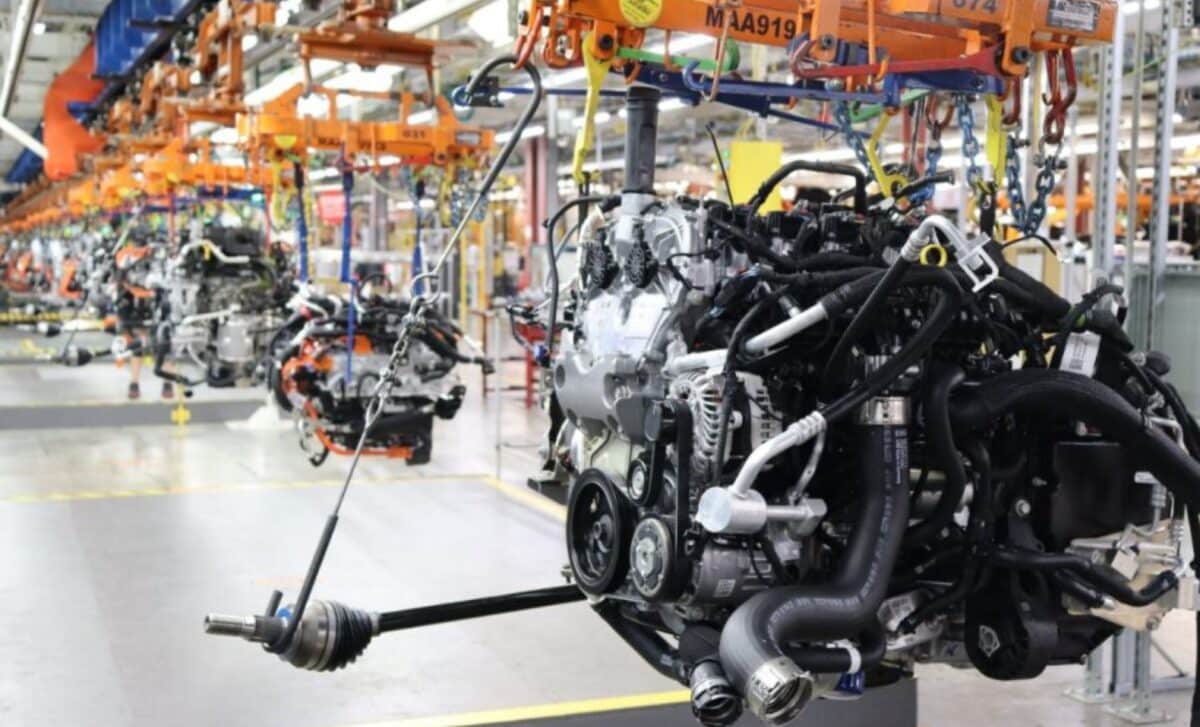
General Motors confirmed a total investment of $275 million at its Spring Hill, Tennessee plant. According to the company’s press release, $125 million of that funding will “support the continued production of the automaker’s 2.7-liter engine.”
The remaining $150 million has been designated “to support a future Cadillac internal-combustion product,” according to the same GM statement. The company did not specify what this future vehicle will be, noting only that it will be part of Cadillac’s combustion portfolio.
This allocation highlights two parallel production priorities at the site: maintaining existing engine output while preparing infrastructure for an additional Cadillac model.
Current Production at the Tennessee Plant
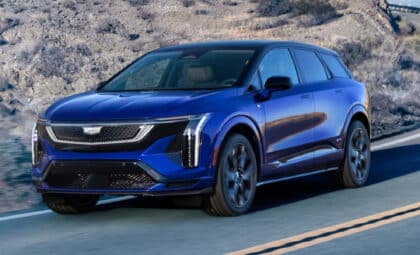
The Spring Hill facility currently assembles four vehicles: the Chevrolet Blazer, Cadillac Lyriq, Cadillac Vistiq, and Cadillac XT5. The addition of a fifth model would expand the plant’s already diverse production line.
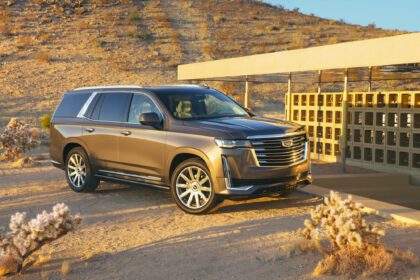
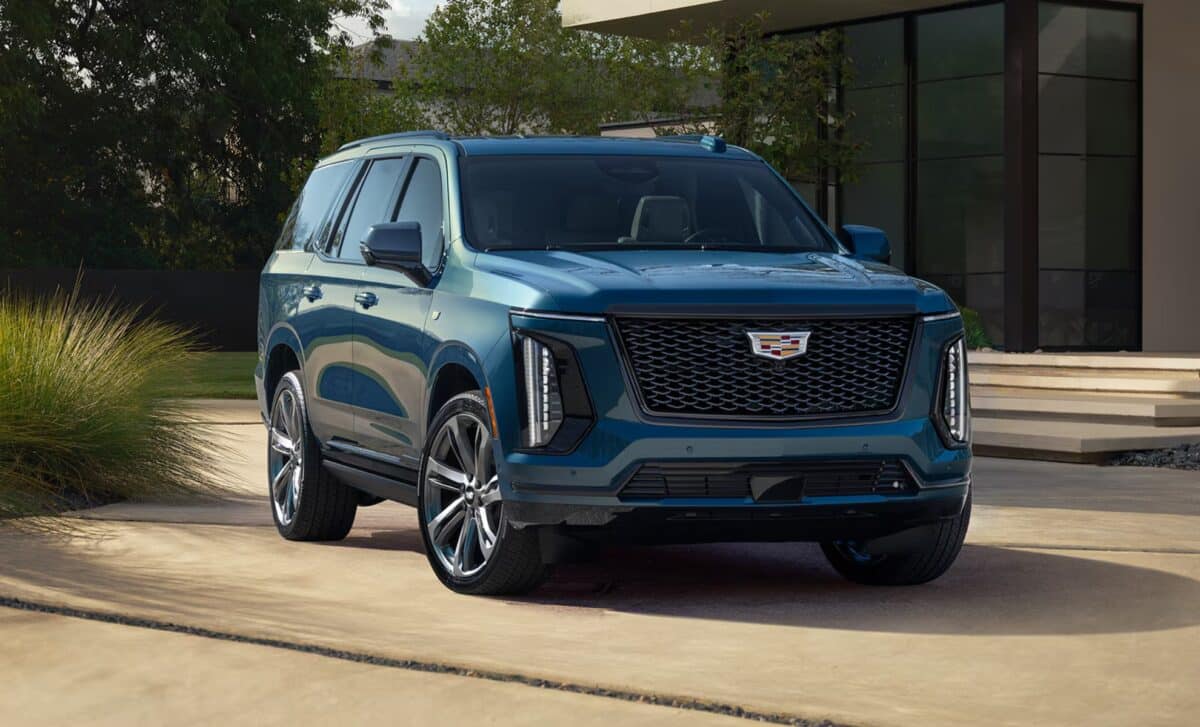
General Motors also produces the Cadillac Escalade in Michigan alongside its truck lineup, while the all-electric Cadillac Optiq is assembled in Mexico. These distribution choices reflect how different Cadillac models are assigned to distinct manufacturing locations across GM’s network.
Within this context, Spring Hill remains focused largely on crossover production, with multiple Cadillac and Chevrolet SUVs currently rolling off its assembly lines.
Cadillac Lineup Changes and Future Combustion Plans
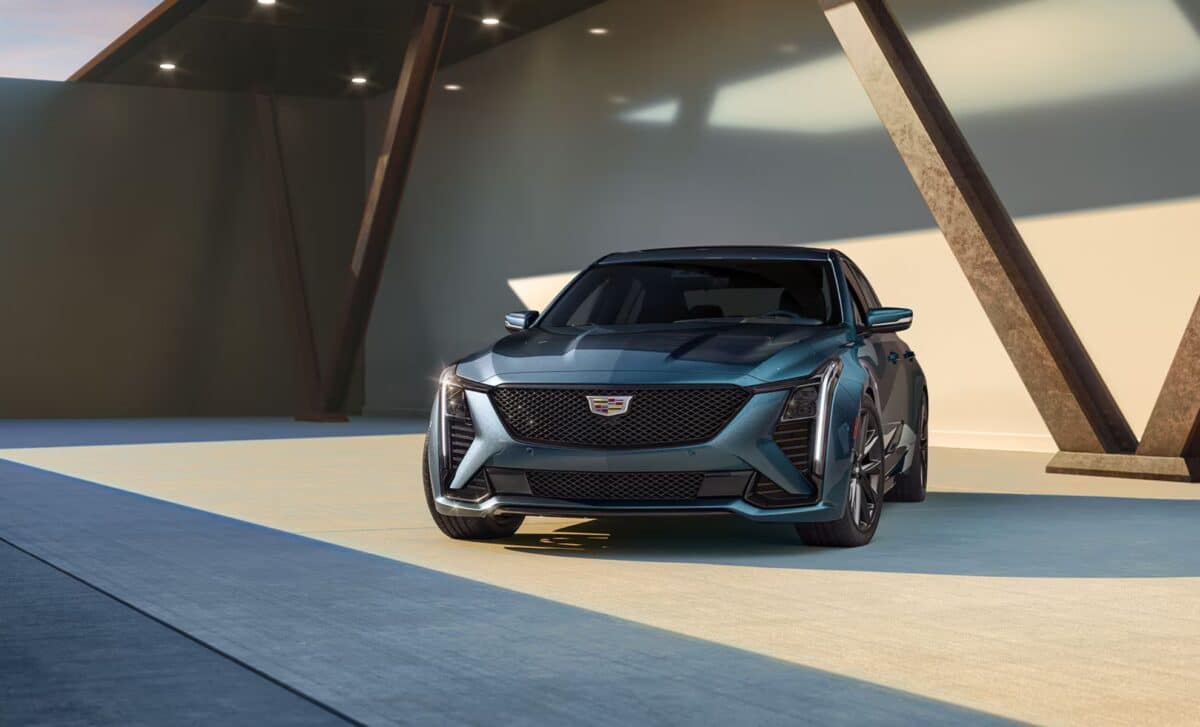
Several shifts are underway within Cadillac’s portfolio. The current-generation CT4 and CT5 models are being phased out, while a next-generation CT5 sedan with combustion power is under development. Production of that model is rumored to remain in Lansing, potentially alongside a new Chevrolet Camaro and a possible Buick sedan.
The Spring Hill plant, however, currently specializes in crossovers, leading observers to expect that the upcoming Cadillac combustion product will follow the same format. The Cadillac XT5, already around a decade old, is cited as a model in need of replacement.
Motor1 notes that, in its view, “with electric vehicle sales faltering and consumers continuing to prefer gas-powered vehicles, Cadillac’s decision to potentially introduce a new combustion model is a smart move.”