
Vehicle theft and theft-related damage are generally covered by comprehensive insurance in the United States. The situation becomes more complex when only certain parts of a vehicle are stolen or when personal possessions disappear during a break-in.
For many drivers, understanding the distinction between coverage for vehicle components and coverage for personal property can make a significant difference when filing a claim. Insurance providers often treat these losses separately, with different policies applying depending on what was taken.
Comprehensive Insurance Typically Covers Factory-installed Vehicle Parts
In the U.S., a stolen vehicle is generally covered under a comprehensive auto insurance policy. This type of coverage protects against several risks, including theft and damage resulting from theft.
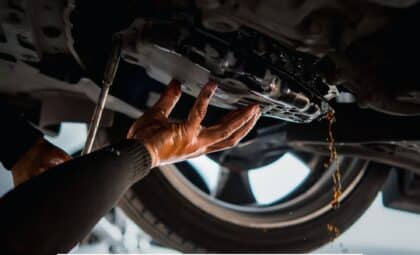
According to Jalopnik, comprehensive insurance also allows policyholders to claim losses related to the theft of parts that were permanently fitted to the vehicle by the manufacturer. This includes components that are commonly targeted by thieves, such as catalytic converters.
Coverage is generally limited to parts that came with the vehicle when it was originally manufactured. If a vehicle has been modified with aftermarket or custom components, those additions are not usually covered under standard comprehensive insurance policies. Drivers seeking protection for modified vehicles may need to purchase additional policy endorsements designed specifically for custom or aftermarket parts.
Personal Belongings Inside A Vehicle Are Often Covered Elsewhere
Items stolen from inside a vehicle are frequently excluded from standard auto insurance policies, although coverage can vary among insurers.
One exception is Erie Insurance, which includes coverage for theft of personal effects as part of a standard auto policy for customers who choose that option. The policy carries a claim limit of a few hundred dollars.
In most situations, valuable possessions stolen from a vehicle are covered through the personal property portion of a homeowners or renters insurance policy rather than through auto insurance. Renters insurance is described as offering broader protection for personal belongings, including items stolen from inside a vehicle. Some insurers also offer higher levels of coverage for particularly valuable possessions.

Valuable Items May Require Separate Protection And Separate Claims
United Services Automobile Association (USAA) includes theft protection for personal belongings within its homeowners and renters insurance packages. The company also offers a separate Valuable Personal Property (VPP) policy.
This additional policy covers high-value items such as cameras, jewelry, watches, and other possessions that may not be fully protected under traditional homeowners or renters insurance coverage.
Renters insurance and VPP policies are both forms of contents insurance, meaning they protect personal belongings rather than vehicles themselves. As a result, they generally do not cover theft of a vehicle or its components.
When both a vehicle and personal belongings inside it are stolen, policyholders may need to file two separate insurance claims. One claim would be submitted through the auto insurance policy for the vehicle, while a second claim would be filed through renters, homeowners, or VPP insurance for the stolen personal property.