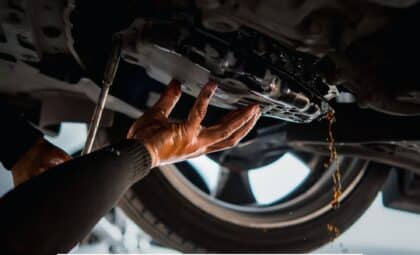

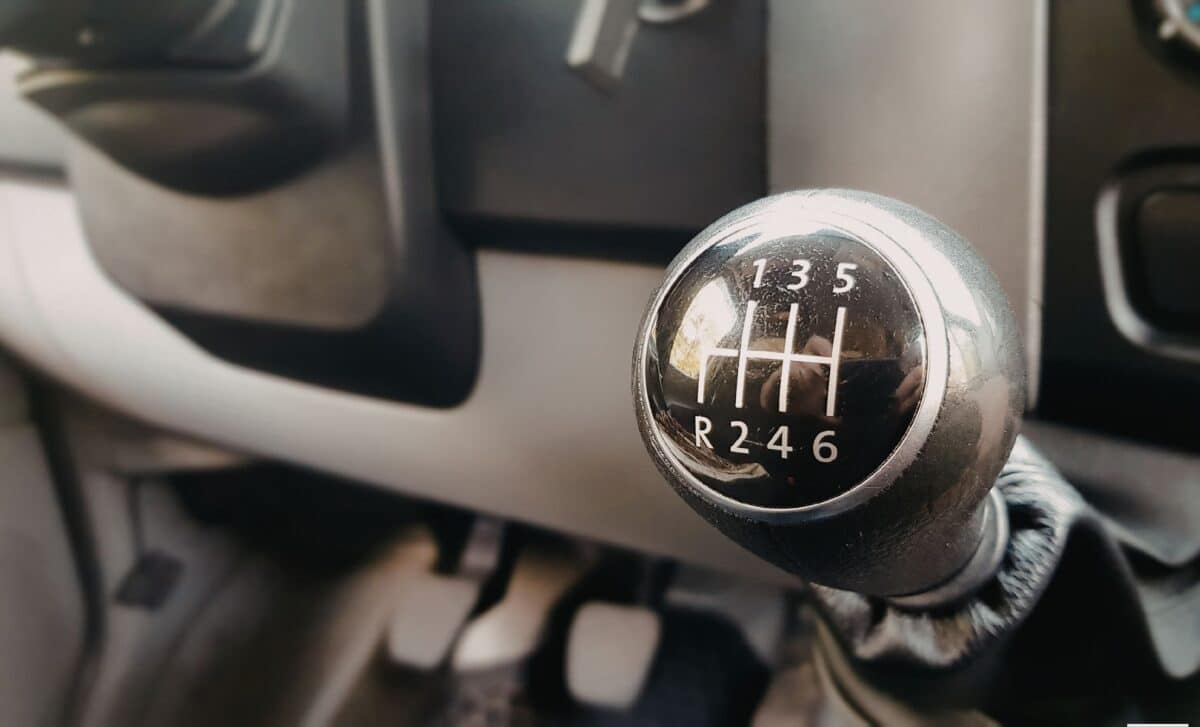
Manuals demand attention and smooth operation. Every clutch press, every shift, and every timing decision affects how long the transmission lasts. Even small habits, like resting your foot on the clutch or hand on the shifter, may seem harmless, but over time they can wear out vital components. Knowing how to drive properly isn’t just about skill, it’s about protecting your car.
Manual gearboxes still have a solid fanbase. In 2024, as many as 65% of Toyota GR Supra models were sold with a manual, showing that some drivers value control over convenience. For those who don’t drive sticks daily, the extra effort can feel like a chore, but enthusiasts will tell you that mastering these mechanical dances makes driving far more rewarding. Certain habits can seriously shorten the life of a manual transmission, and avoiding them is key.
Riding The Clutch
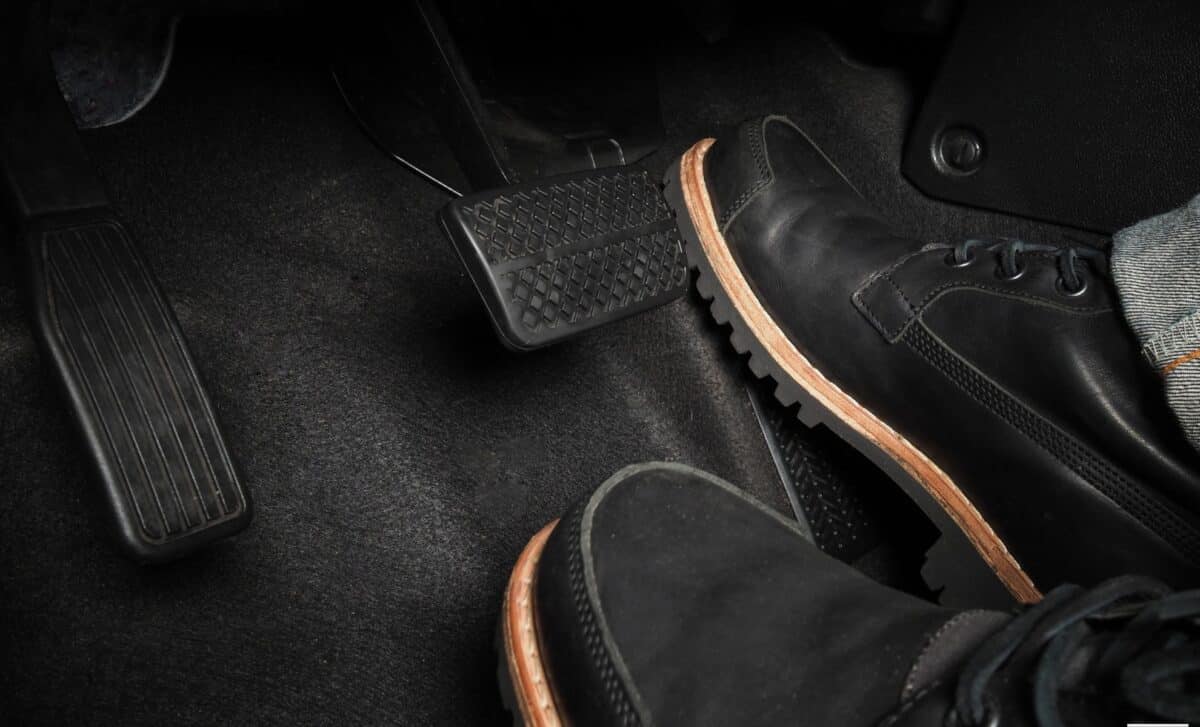
One of the most common, and sneaky, mistakes drivers make is riding the clutch. This happens when your foot stays on the pedal while the car is in gear. This partially disengages the clutch and reduces the pressure plate’s grip on the disc, causing friction and accelerated wear. Signs of overuse include pedal vibration or “chatter,” often a clue that the clutch is overheating.
Clutches can last anywhere from 30,000 to over 100,000 miles, but riding it puts you closer to the lower end. The fix is simple: keep your left foot on the footrest and shift to neutral at stops. When you do press the clutch, press it all the way, halfway just wears parts down faster.
Resting Your Hand On The Shifter
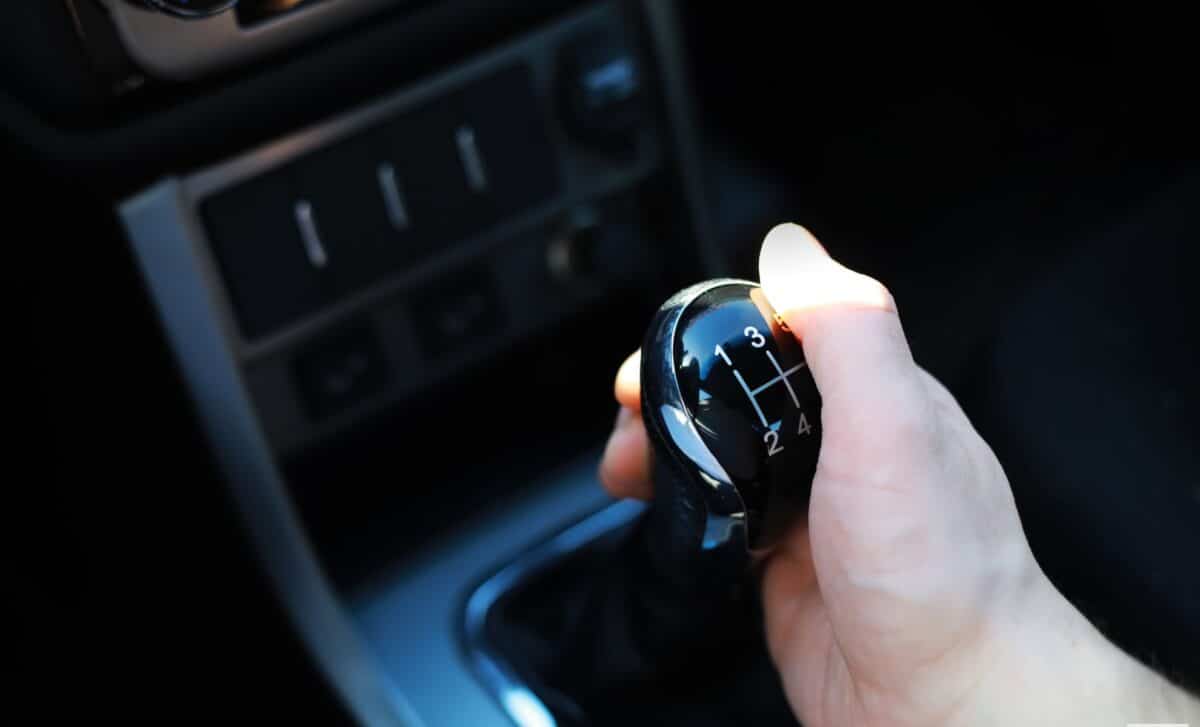
It may feel natural to rest your hand on the shifter while cruising, but that habit quietly works against your transmission. Jalopnik explains that it keeps selector forks in constant contact with rotating collars inside the gearbox, slowly increasing wear. The better practice is to keep both hands on the wheel when you’re not actively shifting.
Even though manual gearboxes are built from strong metals, they weren’t designed to take this constant pressure. Staying disciplined with your hands not only protects your car but also keeps you engaged as a driver. Mechanical sympathy, as instructors call it, is part of the joy of driving a stick.
Clutch And Gear Mistakes
Other habits can be just as damaging. Holding the clutch at the bite point on a hill, releasing it too abruptly, or shifting without fully pressing it can wreak havoc. Bite point balancing, where the clutch is partially engaged to prevent rolling back, generates high friction as the disc scrapes against the flywheel. Il is recommended to use the handbrake or modern hill-assist systems instead.
Dumping the clutch too fast sends a shock through the drivetrain, which can damage synchronizers, clutch discs, and gears. Smooth rev-matching, aligning engine speed with transmission speed, helps avoid this. Similarly, failing to fully press the clutch during a shift forces the synchronizers to battle against engine torque, wearing them down faster. While some racing-style transmissions can handle clutchless shifts, most vehicles are happier with a proper pedal press.
Driving a manual well takes attention, practice, and respect for the mechanics. Mastering it rewards you with precise control and a deeper connection to your car, and avoiding these common mistakes keeps your transmission healthy for years. Paying attention to these habits is the difference between a smooth, responsive drive and costly repairs.