That shift has not settled one long-running debate: are automatic transmissions more reliable than manuals? The answer is less straightforward than many drivers might expect. While manual gearboxes are mechanically simpler, modern automatics have evolved significantly, making reliability a question that depends on far more than transmission type alone.
For decades, manual transmissions were often viewed as the more durable option. Their simpler design generally means fewer components that can fail, and in theory that can translate into lower maintenance requirements. Yet real-world reliability is influenced by many variables. Driving habits, maintenance schedules, operating conditions and even the specific design of a transmission can all have a significant impact on how long it lasts.
Simplicity Gives Manuals An Advantage, But Only On Paper
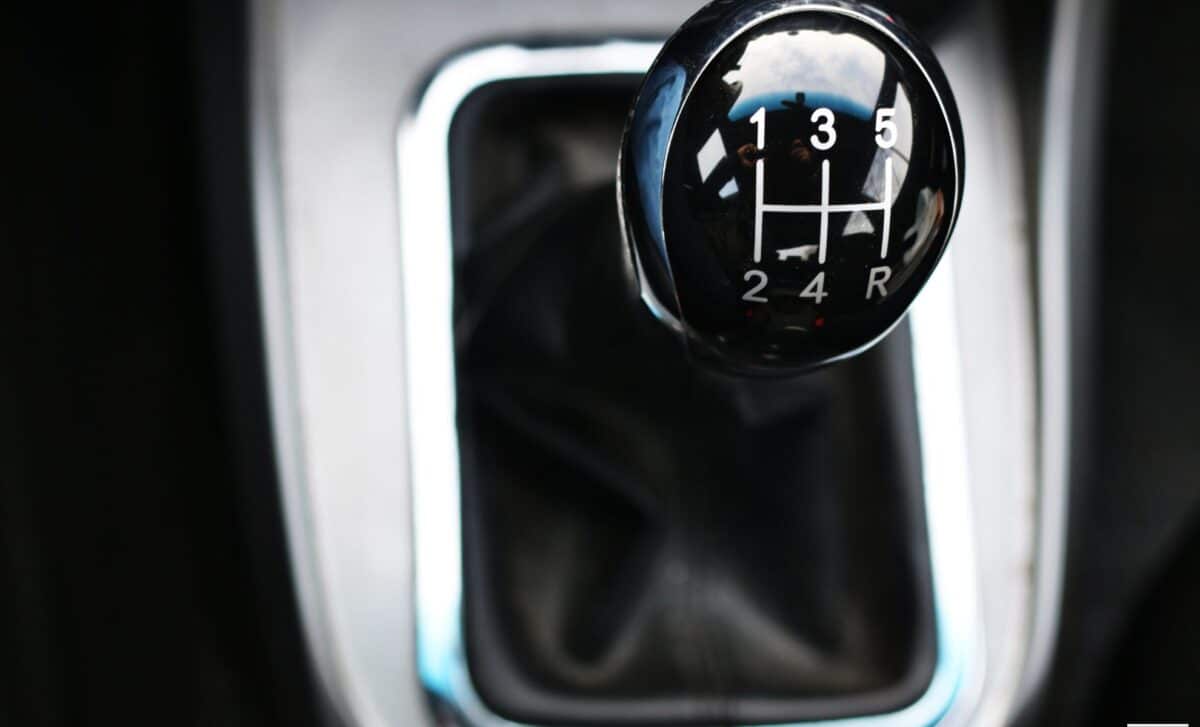
One of the strongest arguments in favor of manual transmissions is their relative mechanical simplicity. With fewer components involved in the shifting process, there are fewer parts that can potentially develop problems over time.
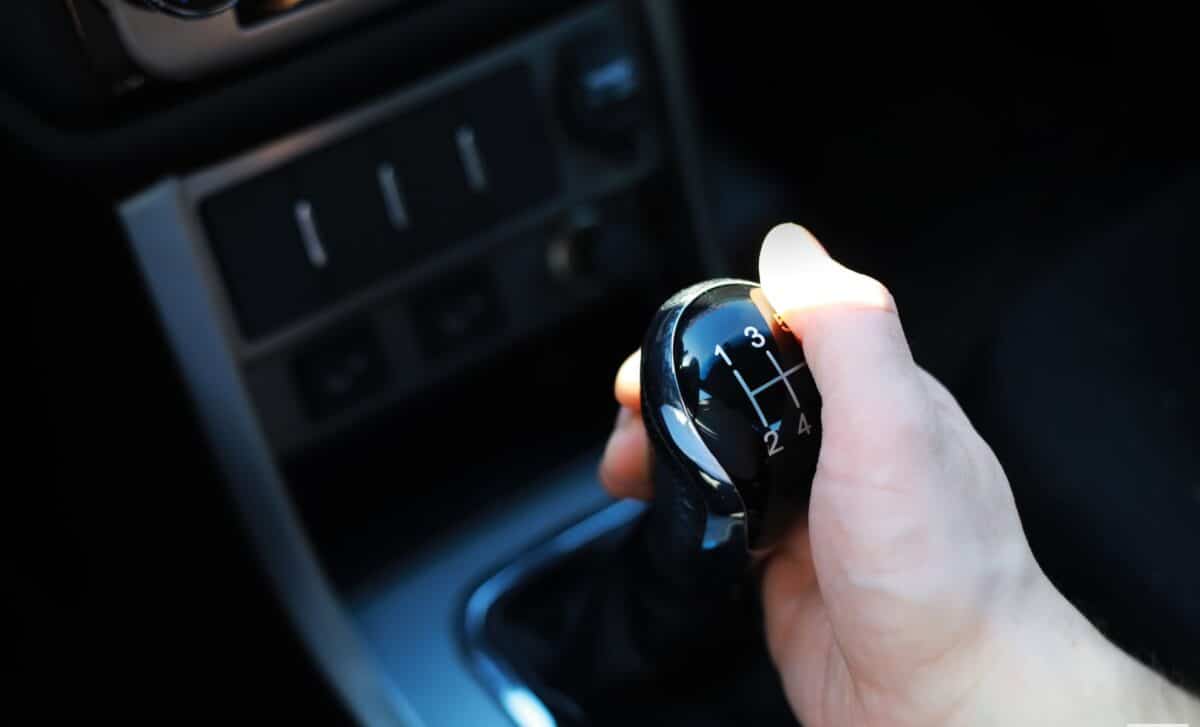
That advantage can quickly disappear when driver behavior enters the equation. Every gear change in a manual transmission is a direct mechanical input made by the person behind the wheel. Poor habits can therefore lead to accelerated wear. According to Edmunds, “Whenever the clutch pedal isn’t all the way up or all the way down, you’re putting wear on your clutch.”
Even experienced drivers can occasionally ride the clutch, a habit that increases wear on both the clutch assembly and the flywheel. Repairing those components can become costly, particularly when excessive wear has accumulated over many miles.
Modern Automatics Have Narrowed The Reliability Gap
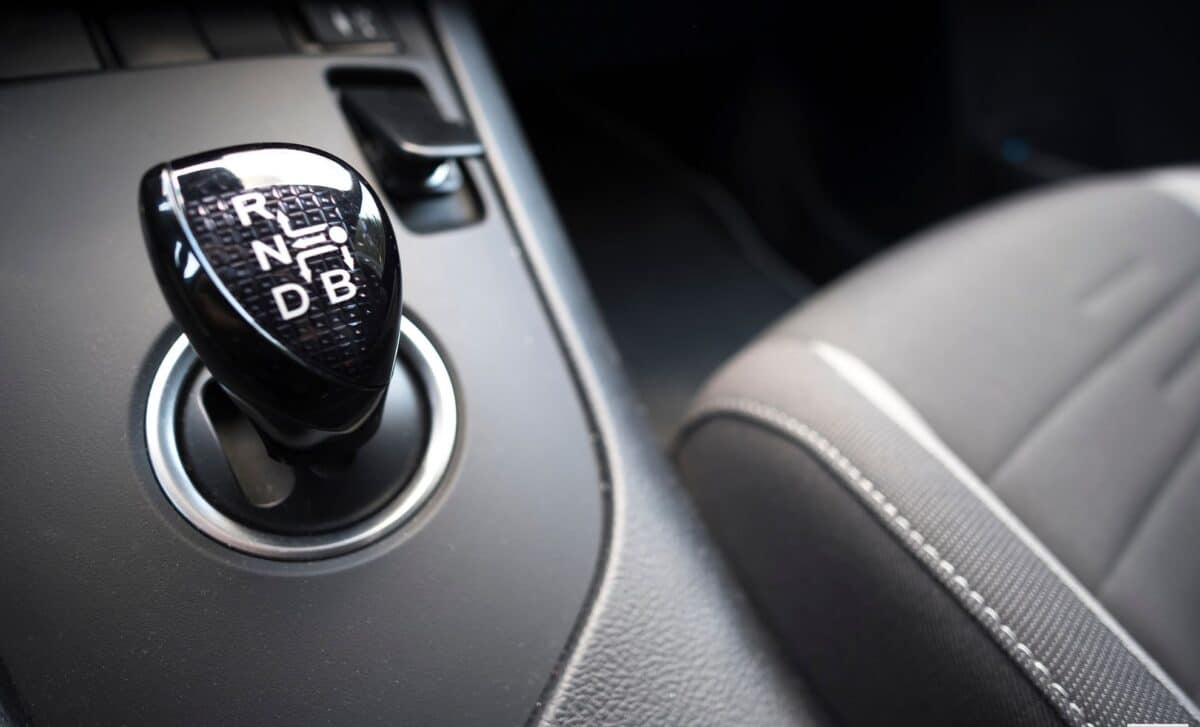
Automatic transmissions are more complex by design. They contain more components and systems, creating more potential points of failure than a traditional manual gearbox.
At the same time, modern automatic transmissions have undergone years of refinement. As a result, the reliability gap that once separated automatics from manuals has largely narrowed. For many owners, an automatic transmission can provide years of dependable service when maintained properly.
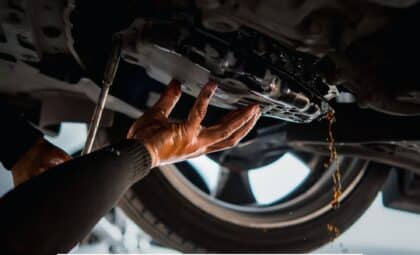
Maintenance remains a key factor. Regular fluid changes are considered a basic requirement for most transmissions. Neglecting service can prove particularly expensive in an automatic because of its greater mechanical complexity. Some manufacturers promote so-called lifetime transmission fluid, though transmission performance can still be affected by driving habits and operating conditions.
Driving Conditions Often Matter More Than Transmission Type
The environment in which a vehicle operates can play a major role in transmission longevity. Many drivers may not realize how demanding their daily use actually is.
AAA surveyed motorists and found that 62% qualified as driving under severe service conditions, as reported by Jalopnik. Those conditions can place additional stress on vehicle components, including the transmission.
Other factors further complicate the debate. Climate, electronics, software systems and model-specific reliability all influence long-term durability. That is why identifying a universal winner between manuals and automatics remains difficult.
For drivers who spend most of their time in stop-and-go traffic or have little interest in learning to operate a manual transmission, an automatic offers a straightforward solution. It handles gear changes automatically and reduces the risk of driver-related wear. Drivers who occasionally want more involvement can still take control through paddle shifters or manual shift modes available in many vehicles.
Manual transmissions continue to appeal to enthusiasts who enjoy direct control of gear changes and the engagement that comes with operating a clutch. Yet the source material makes one point clear: a manual transmission is not automatically more reliable simply because it contains fewer parts. In everyday driving, maintenance practices and driver behavior remain the factors that matter most.