
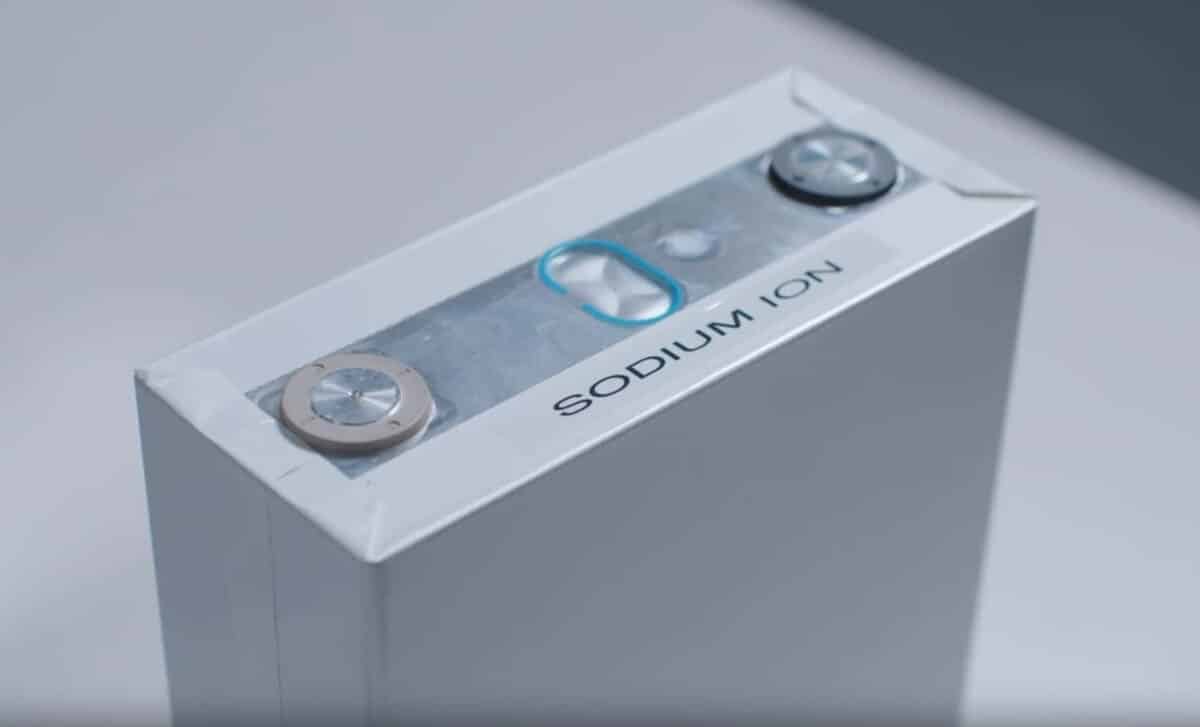
As demand for electricity continues to grow, particularly from AI-driven data centers, energy storage has become a major area of focus for battery manufacturers and automakers alike. U.S. automakers are increasingly directing battery investments toward stationary storage applications as electric vehicle sales remain uneven.
GM’s latest move comes through GM Ventures, the company’s investment arm, which is backing the partnership with Peak Energy. The two companies aim to develop sodium-ion battery cells specifically designed for energy storage systems rather than vehicle applications.
GM and Peak Energy Target Grid-Scale Energy Storage
The collaboration centers on sodium-ion battery technology, which GM believes could play a significant role in future energy storage deployments.
“We believe sodium-ion will be a defining chemistry for grid-scale energy storage systems in the years ahead,” Kurt Kelty, GM’s vice president of battery and sustainability, said in a statement.
According to the company, development work will begin with materials and components before moving to prototype production at GM’s Michigan battery lab. Neither GM nor Peak Energy has announced when large-scale manufacturing could begin.
Peak Energy has already started deploying the technology in the field. The startup says it has installed what it describes as the world’s first passively cooled grid-scale sodium-ion battery at a site in Colorado. The company is also conducting several pilot projects across the United States in partnership with renewable energy and energy storage firms.
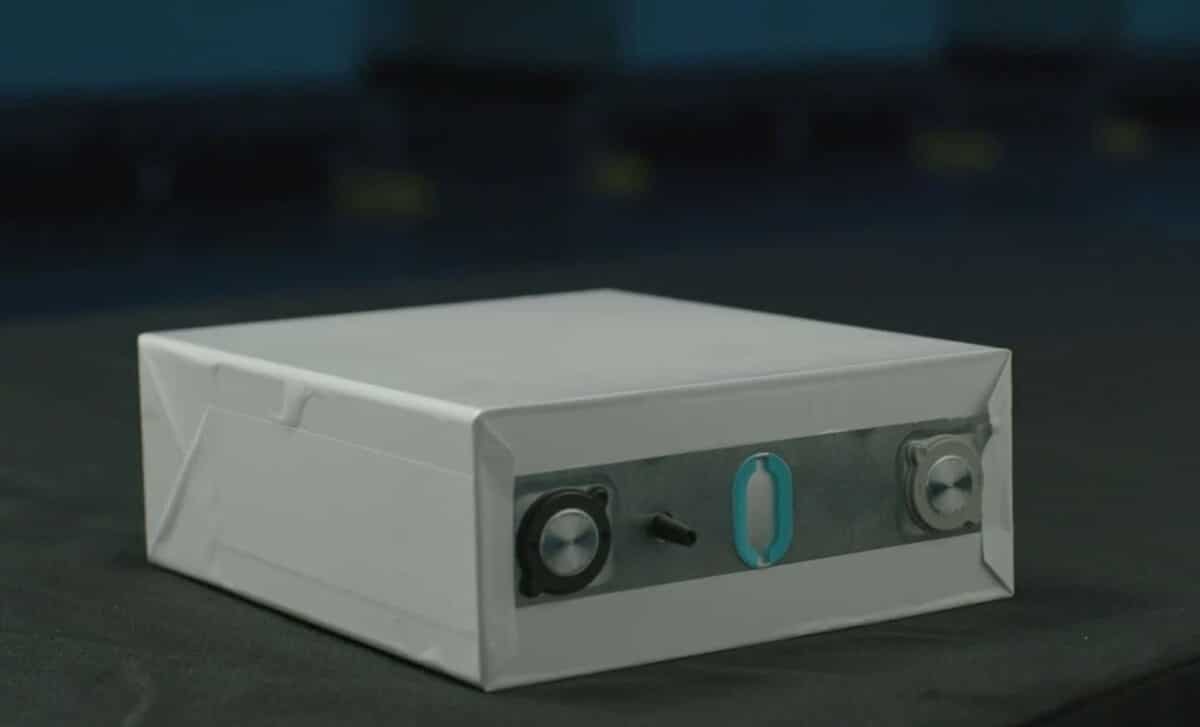
Why GM Sees Potential in Sodium-Ion Technology
Sodium-ion batteries function in much the same way as lithium-ion batteries, storing and releasing energy through electrochemical reactions. The difference lies primarily in the materials used.
GM says sodium is around 1,000 times more abundant than lithium and has a lower environmental footprint. The automaker also states that sodium-ion cells can operate across a wider temperature range and offer longer cycle life, characteristics that may be valuable for stationary energy storage applications.
Another advantage highlighted by the companies involves system design. According to GM, sodium-ion batteries may not require active cooling systems, reducing both complexity and cost.
“In grid-scale stationary storage systems, if we can make the cell safer and more robust, we can remove complexity elsewhere in the system,” Kelty said. “That can translate into a quieter, simpler, lower-maintenance ESS for the customer.”
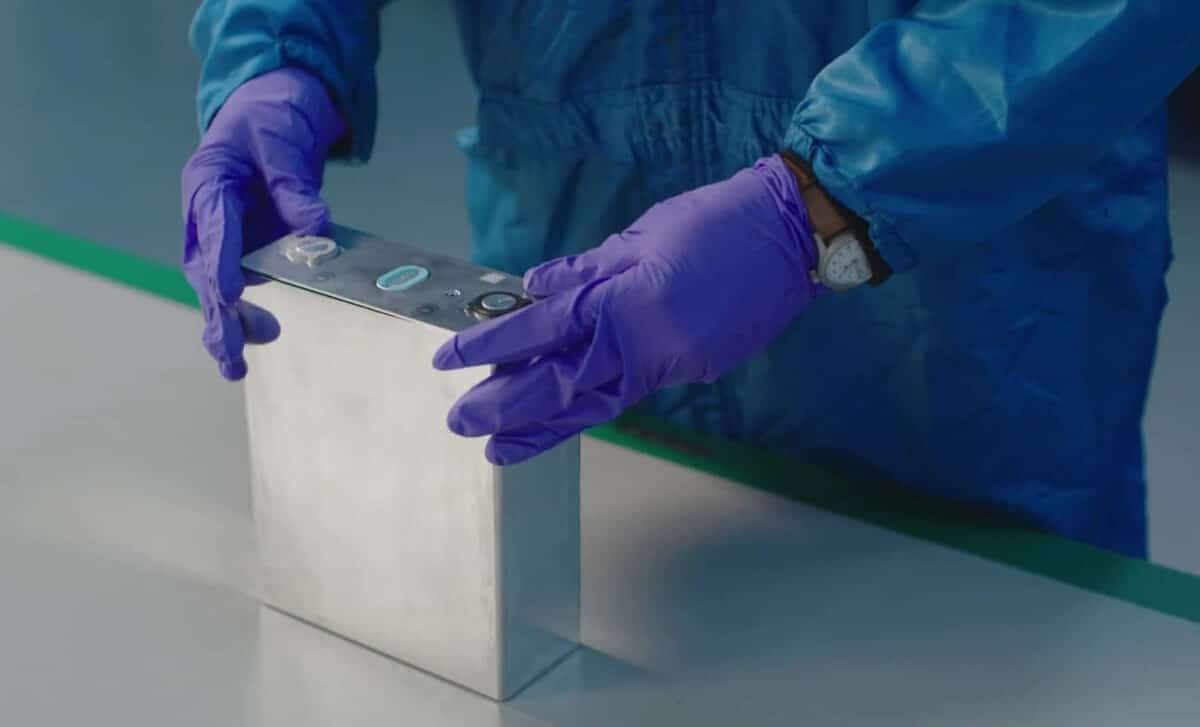
A Broader Battery Strategy Takes Shape
GM’s announcement comes as lithium iron phosphate batteries continue to dominate the global energy storage market. LFP production remains heavily concentrated in China and has established supply chains along with a strong cost profile compared with older nickel manganese cobalt technologies.
The automaker argues that improvements in LFP batteries are beginning to slow, while sodium-ion technology remains at an earlier stage of development. At the same time, Chinese manufacturers currently hold a substantial lead in the sector. Battery giant CATL revealed sodium-ion batteries for electric vehicles last year that can operate at temperatures as low as -40 degrees Fahrenheit with minimal range loss while maintaining fast-charging performance.
Sodium-ion is only one part of GM’s broader energy storage strategy. The company’s Ultium Cells joint venture with LG Energy Solution is preparing to produce LFP batteries for near-term grid-scale storage demand.
GM is also working with Redwood Materials to repurpose 10,000 used EV batteries for data center power systems in Nevada. In Michigan, the company plans to deploy 100 second-life EV battery packs at one of its facilities, providing 7.2 megawatts of deployable energy and generating more than $3 million in electricity cost savings over the life of the installation.
For GM, the latest partnership with Peak Energy adds another battery chemistry to a growing portfolio of technologies aimed at serving different energy storage needs.