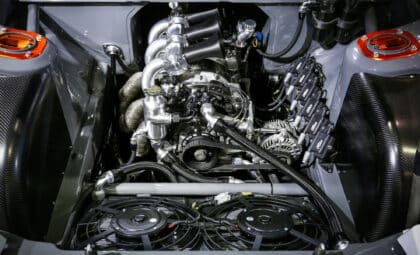
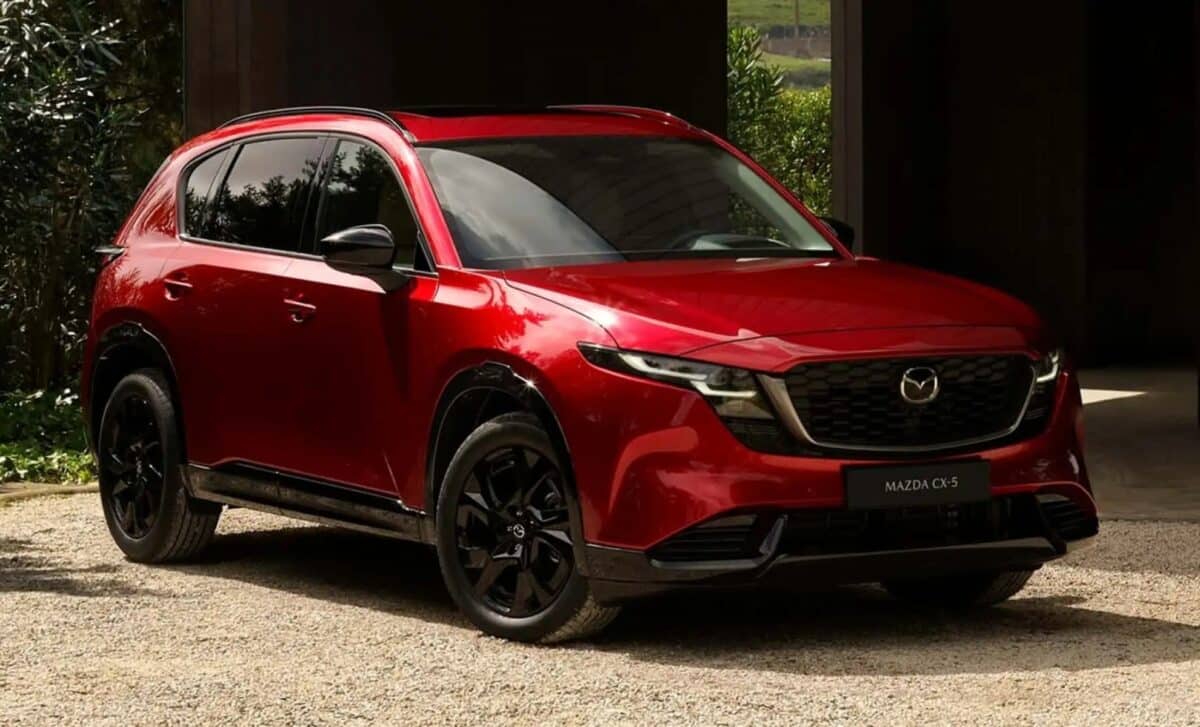
The Japanese manufacturer has been discussing its next-generation Skyactiv-Z engine for some time, but the technology is not expected to arrive until late 2027. Its first application will be the next-generation CX-5, where a new 2.5-liter inline-four gasoline engine will form the core of Mazda’s proprietary hybrid powertrain.
Until then, Mazda has been evaluating electrified systems from competing brands. Those benchmarking efforts have helped shape the company’s approach as it works to develop a hybrid setup designed to meet its own standards for responsiveness and driving performance.
Mazda Targets Throttle Response as a Major Weakness in Rival Hybrids
CX-5 Project Manager Koichiro Yamaguchi said that many hybrid systems he has tested have not met his expectations when it comes to accelerator response. Although he did not identify specific brands or models, he pointed to a delay between throttle input and powertrain reaction as a recurring issue.
Speaking through a translator in comments reported by Drive magazine, Yamaguchi explained:
“I have tried so many different hybrid systems from other brands, but none of them satisfied me, so I decided to make sure we have this unique Mazda hybrid system that will satisfy me. I think a big point is compared to your accelerator throttle input, how the powertrain reacts to that acceleration, whether that acceleration response is comfortable or uncomfortable—I think that’s the big point of judging the hybrid system for me.”
The executive indicated that Mazda’s objective is to deliver a hybrid system that responds in a way that feels natural and comfortable to drivers.
Skyactiv-Z Hybrid Aims to Combine Efficiency and Performance
According to Drive magazine, Mazda’s new hybrid powertrain will be built around the Skyactiv-Z gasoline engine and is intended to provide both strong fuel economy and satisfying performance.
Yamaguchi acknowledged that challenges remain regarding low-rpm power delivery from the internal combustion engine. He said the electric motor will compensate for those characteristics, helping address areas where the gasoline engine is less effective.
The result, according to his comments, is expected to be “fun-to-drive driving performance” while also delivering the level of fuel efficiency customers in the CX-5 segment expect. Mazda has positioned the hybrid system as a package intended to balance these two objectives rather than prioritizing one at the expense of the other.
New Engine Designed to Meet Emissions Standards Without Reducing Output
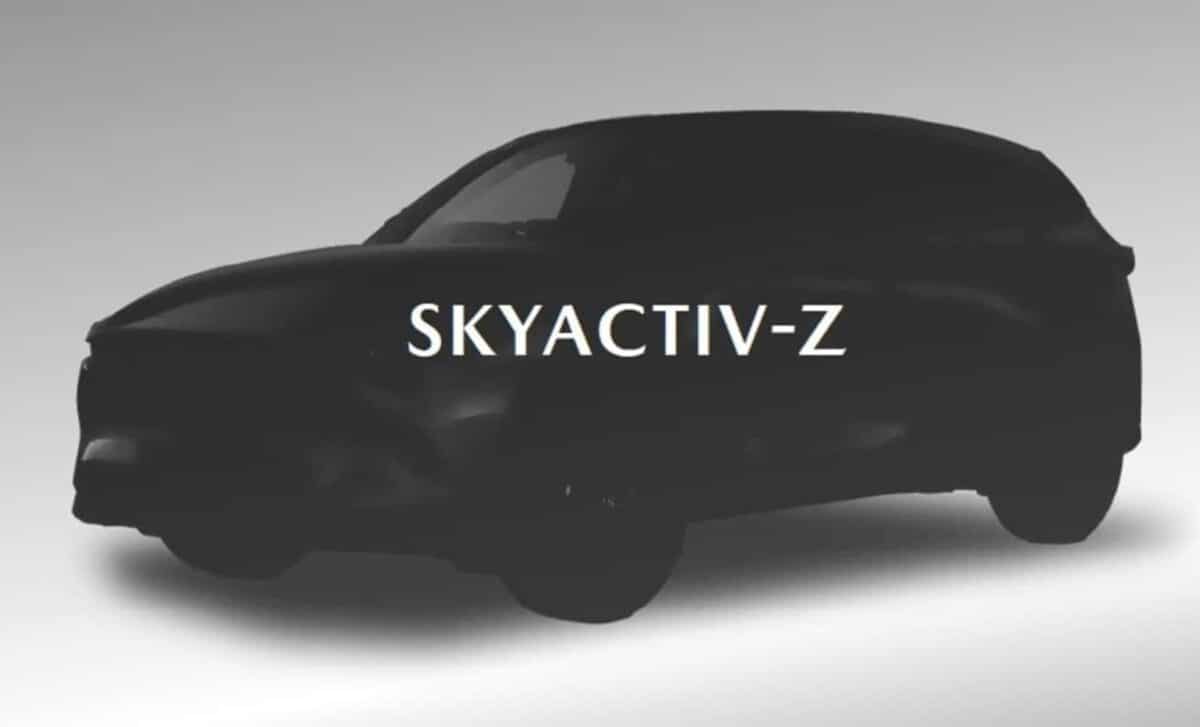
Mazda’s Skyactiv-Z engine is being developed to comply with both Euro 7 regulations and the U.S. Environmental Protection Agency’s Tier 4 standards. The engine will first be introduced in vehicles sold in Europe and the United States before expanding to other markets.
The company has stated that the new four-cylinder engine will offer “even higher thermal efficiency and an overwhelmingly wider range” than the current Skyactiv-G and Skyactiv-X engines it is set to replace.
Mazda has also previously said that modifying its existing engines to meet stricter emissions requirements could have reduced output by as much as 30 percent. The Skyactiv-Z has instead been engineered to satisfy tightening regulations while maintaining power levels.
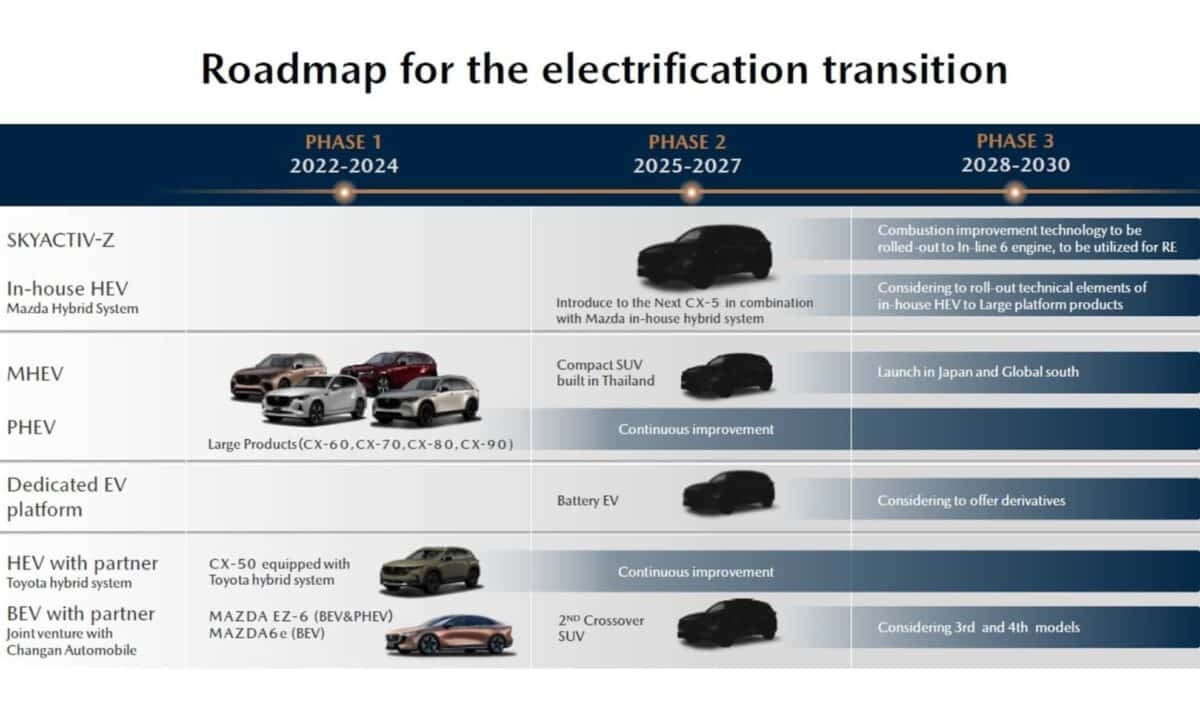
The next-generation CX-5 will be the first model to receive the new hybrid powertrain, but Mazda has indicated that both the Skyactiv-Z engine and the in-house hybrid technology are expected to expand to additional vehicles. The company also said that knowledge gained during the development of the Skyactiv-Z program will be applied to its larger inline-six engines used in rear-wheel-drive-based SUVs.