
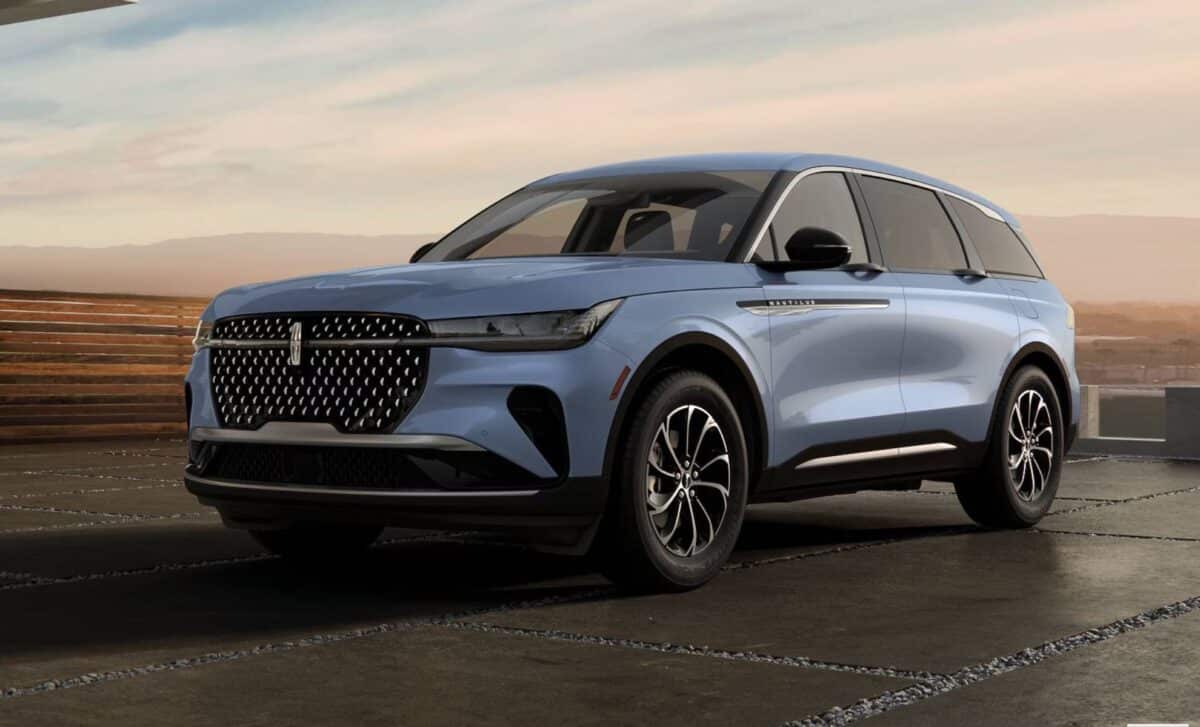
It’s a striking situation for a model that sits at the center of Lincoln’s recent commercial success. What was once mainly a manufacturing detail has now become a headline issue.
At the same time, the broader auto industry is dealing with shifting rules around software, connectivity, and cross-border production. And the timing is tight, with new regulations already rolling toward the 2027 model year.
The Nautilus Leads Lincoln’s Sales, By A Lot
In 2024, the Lincoln Nautilus clearly stood out in the brand’s lineup, selling 33,744 units in the United States. That put it comfortably ahead of the Corsair, which reached 26,566 units, and the Aviator, which posted 24,373 units, according to industry sales figures reported by Carscoops.
So this isn’t just another model in the catalog. It’s Lincoln’s volume driver, the one pulling the most weight in dealerships across the country.
And here’s where things get complicated: the Nautilus is built in China. That single fact is now at the center of a growing regulatory discussion that could affect whether it continues unchanged in the U.S. market.
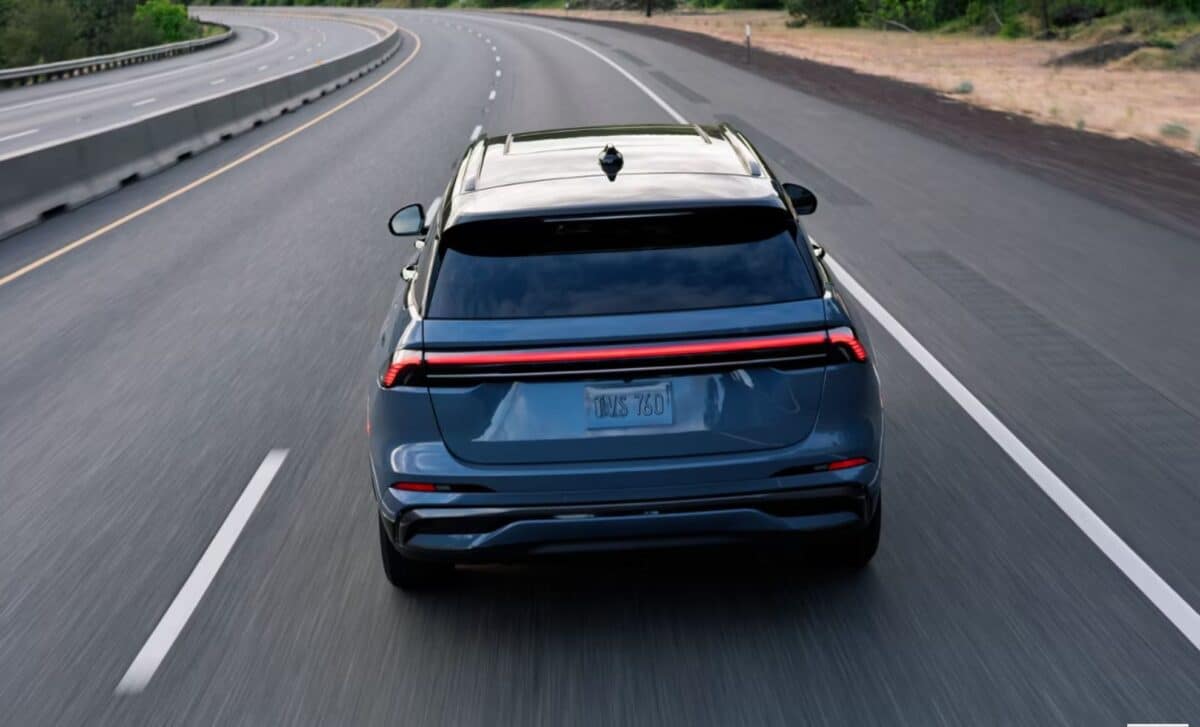
The Connected Vehicle Rule Changing The Game
The pressure comes from a “connected car rule” finalized in the final days of the Biden Administration. The rule is designed to “prohibit the sale and import of connected vehicle hardware and software systems, as well as completed connected vehicles” from China and Russia.
The rollout isn’t happening all at once. Software-related restrictions begin with the 2027 model year, while hardware restrictions are set to follow in 2030. That timeline matters, because automakers are already preparing 2027 models now.
Reuters describes the situation inside the industry as companies “scrambling” to secure authorization so they can keep selling affected vehicles and technology in the United States. That word alone gives a sense of the urgency behind the scenes.

Automakers Are Moving Fast To Avoid Disruptions
Some companies are already ahead in the process. Volvo, for example, received approval in May to continue selling impacted vehicles.
Ford is now seeking authorization for the Lincoln Nautilus specifically. The company told Reuters that while the vehicle’s software is developed in the United States, it is installed in China, which is why government approval is still required for U.S. sales.
And Ford isn’t alone in dealing with this. Buick’s Envision, also built in China, is affected by the same rule, although General Motors has confirmed the next-generation model will be produced in the U.S. at Fairfax Assembly starting in 2028 after the Chevrolet Bolt ends production. GM has said it is “working through the model transition plan,” while the status of the current Envision during the transition remains unclear.
Polestar also finds itself within the scope of these rules, as the wider policy continues to ripple across brands with global production networks.