
Modern car interiors now rely heavily on displays, from infotainment systems to digital instrument clusters. That makes cleaning them more important, but also riskier than wiping down ordinary plastic or glass.
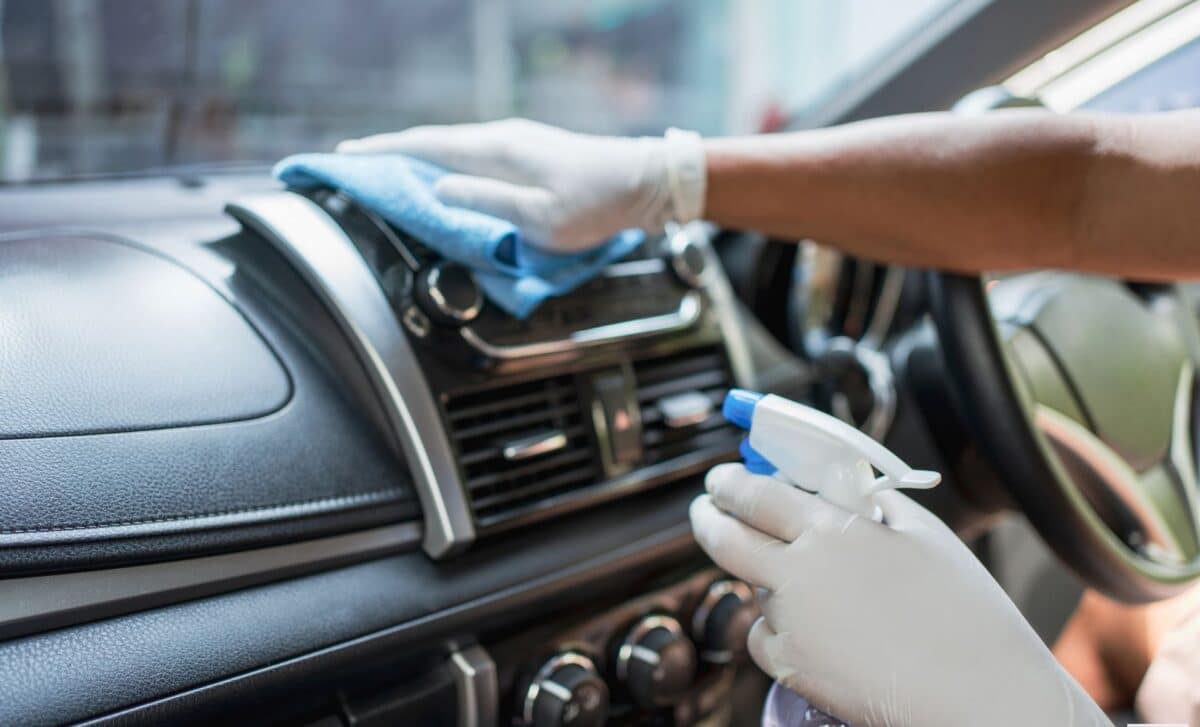
Automakers generally recommend soft cloths and mild cleaning methods, while warning against direct sprays, paper towels, alcohol-heavy cleaners, and products such as Windex.
A Microfiber Cloth Is The Safest Starting Point
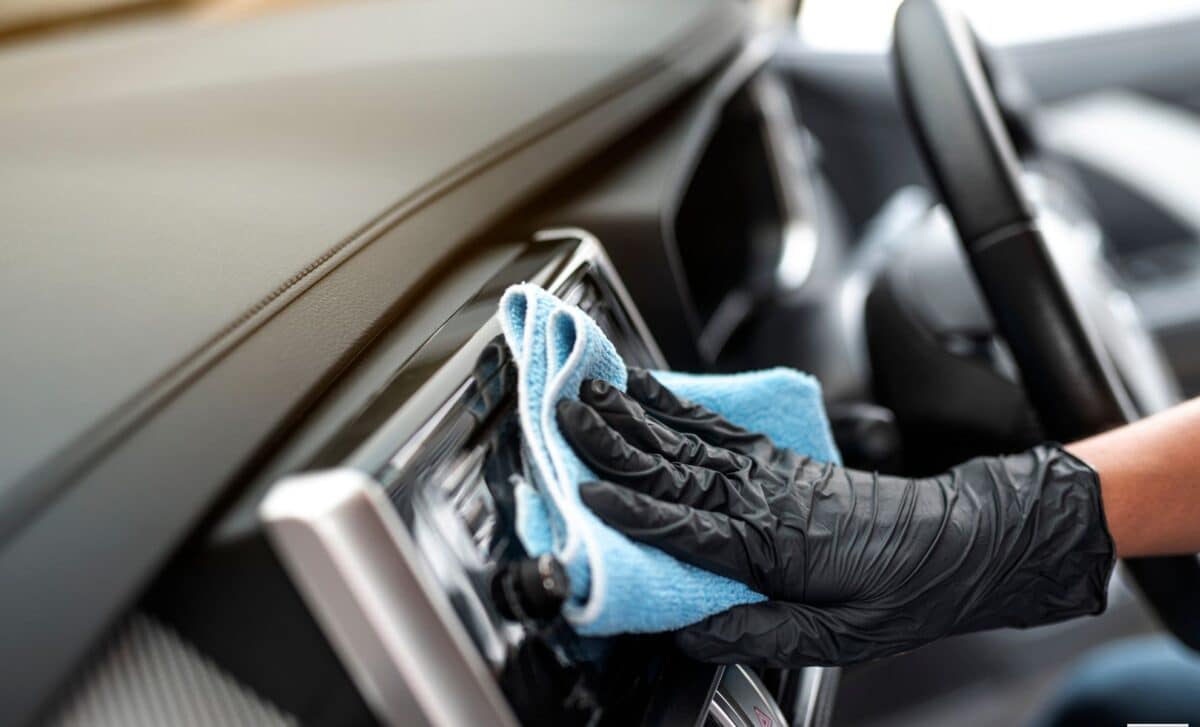
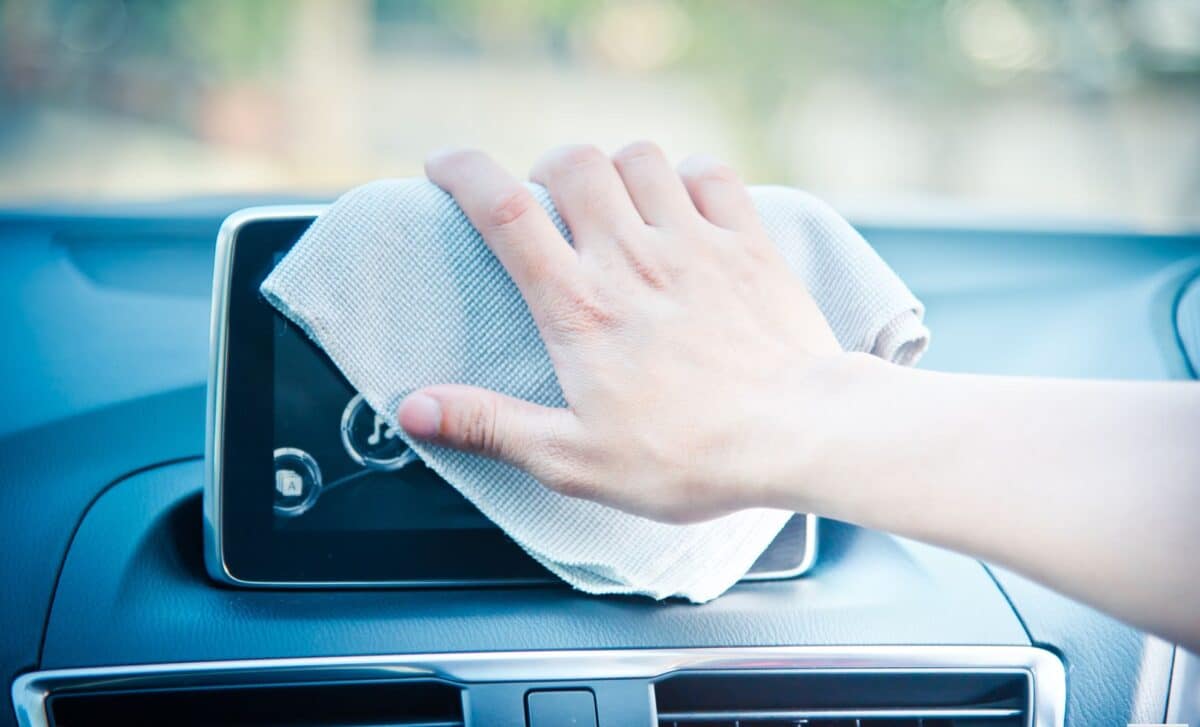
The safest method begins with a soft microfiber cloth, ideally a new one. Basic soap and water can be used carefully, as long as the screen is not soaked.
According to Jalopnik, automakers often give similar advice. Tesla recommends using “a soft lint-free cloth specifically designed to clean monitors and displays” and says not to use wet wipes. Hyundai warns against “rough or hard cloth,” including paper towels, and says alcohol or organic solvents can scratch or chemically damage the panel surface.
Toyota recommends microfiber cloths and says the cloth may be dampened with LCD screen cleaner. It also says a small amount of diluted isopropyl alcohol on the cloth can be acceptable, though not every automaker agrees.
Alcohol, Ammonia, And Direct Sprays Can Create Problems
Windex may be designed for windows, but ammonia-based cleaners can damage anti-glare and anti-fingerprint coatings on car touchscreens. Consumer Reports is one source warning against ammonia for this reason.
Alcohol advice varies by device. Apple allows up to 70% isopropyl alcohol or 75% ethyl alcohol on iPhones, but carmakers are more cautious with vehicle displays. Kia says not to use alcohol, while Ford says, “Do not pour or spray alcohol onto the display. Do not use detergent or any type of solvent to clean the display.”
The biggest risk with direct spraying is liquid getting behind the screen and reaching electronics. Car electronics are built to handle heat and crashes, not a bath of cleaner.
Scratches Can Be Expensive And Long-lasting
A scratched phone screen can often be replaced easily, sometimes with parts costing less than $100 for do-it-yourself repairs. A scratched car display or instrument screen is a different problem.
Replacing a cluster can cost $1,000 or more, and many drivers will simply live with the damage. That matters because the average car now stays on the road for 14.5 years, according to the Bureau of Transportation Studies.
Other automakers offer slightly different cleaning rules. Subaru recommends a “neutral detergent,” Ram allows a 50:50 water and alcohol solution on the screen of its 1500, and Nissan advises avoiding paper towels inside the car, using soap and water on surfaces, and diluting alcohol when it is used.
Aftermarket interior sprays may contain isopropyl alcohol and plant-derived surfactants, which help lift oils and dirt. Still, a gentle soap used with a clean microfiber cloth remains the most broadly cautious approach, with the owner’s manual serving as the final reference for each vehicle.