
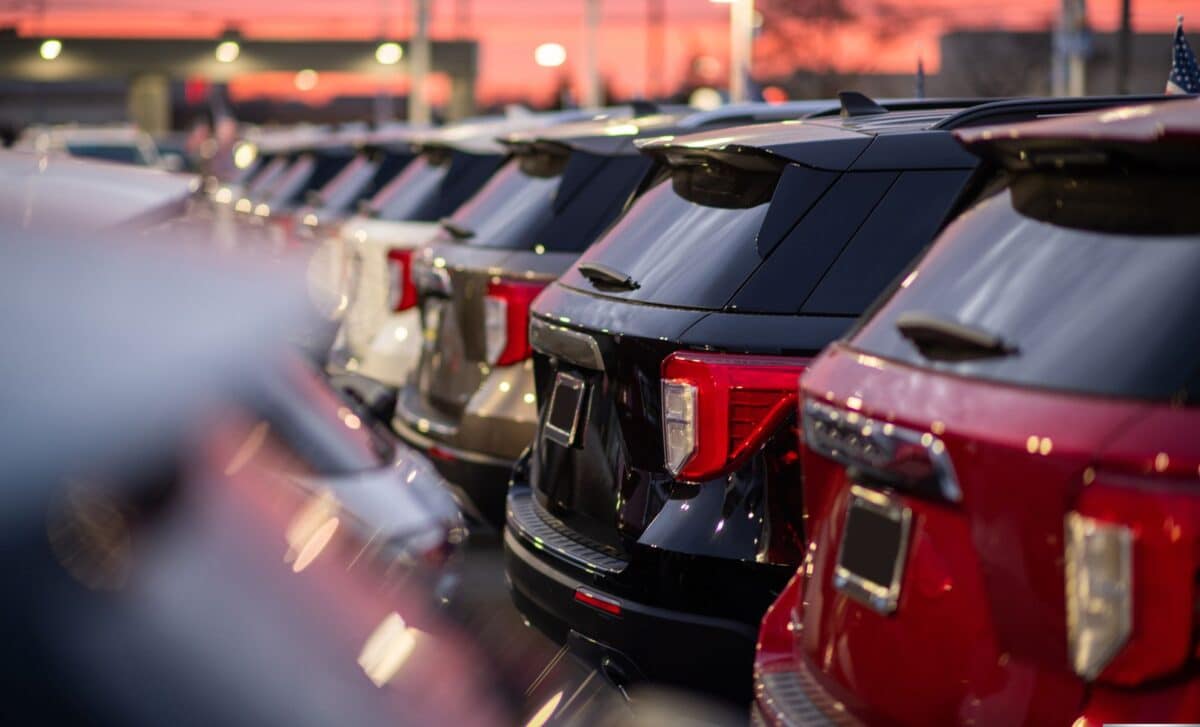
The jump didn’t come out of nowhere. Prices have been edging upward over time, with small but steady increases stacking on top of each other. Still, reaching a new all-time high in late June puts a spotlight on how tight things feel for buyers right now.
It also lands in a moment where car shopping already feels less forgiving than it used to. Between higher sticker prices and fewer “easy deals,” the gap between what people expect to pay and what shows up online has been widening.
Prices Climb To A New Record, Then Keep Edging Up
According to Automotive News and Catalyst IQ, the figures come from daily advertised prices pulled from dealership websites across the United States, and those numbers already include discounts baked into the listed prices. The headline number tells the story clearly: $51,974 on June 30, a new record for the average marketed price of a new car.
What’s interesting is how quickly that record formed and then got pushed higher. On June 26, the average was already sitting at $51,820. Just a few days later, it had climbed again to the final peak reported at the end of the month.
Compared with the same day last year, the average is up $2,421, which works out to a 4.9% increase. It’s also $314 higher than just a month earlier. Those aren’t small swings in a market where changes usually feel more gradual.
This data reflects what shoppers actually see online at dealerships nationwide, not just theoretical pricing or manufacturer suggestions.
Compact Sedans Lead The Price Surge While Other Segments Cool Off
Not every vehicle category is moving in the same direction, according to Jalopnik. And that’s where things get a bit uneven.
Compact sedans stand out the most. Prices in that segment are up 12% year over year, which translates to an average increase of $2,869. That’s the biggest jump across all segments tracked.
On the other side, some categories are actually easing back. Convertibles dropped 9.8%, while minivans are down 3.2%. Full-size SUVs, extra-large SUVs, and luxury vans also posted year-over-year declines, showing that the market isn’t moving in one straight line.
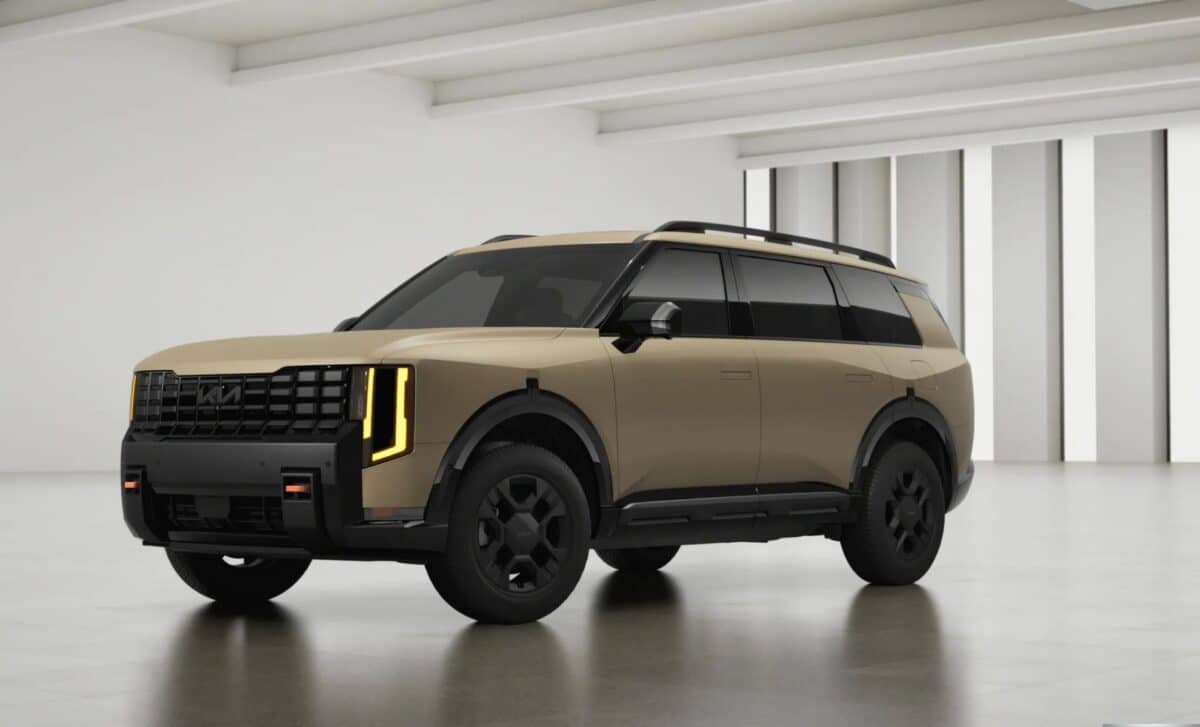
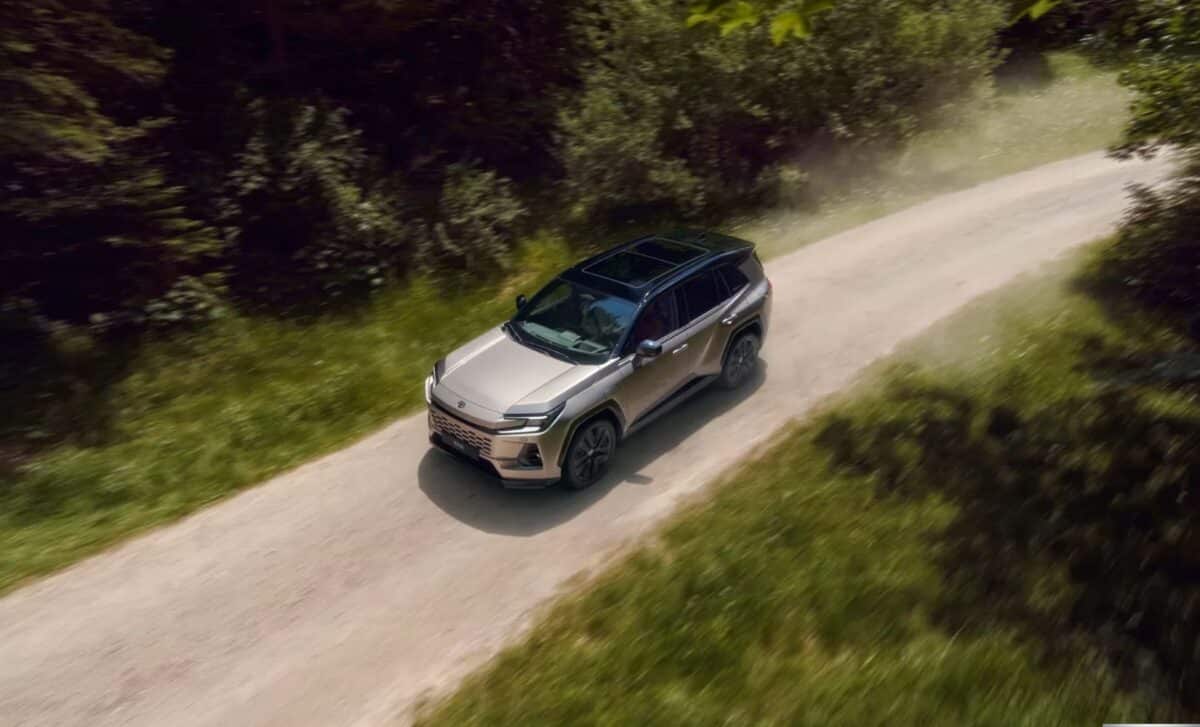
Model-level changes add another layer. The Kia Telluride saw a 16.4% increase, the Toyota RAV4 rose 15.7%, and the Subaru Outback went up 11.6%. These shifts were tied to recent redesign cycles, which often shake up pricing more sharply than usual.
Cars Are Pricier, But They’re Not Sitting Around
Here’s the twist that complicates the picture: even with higher prices, cars are still selling faster. Days-to-move has gone down, meaning vehicles are spending less time on dealer lots before being sold. That’s not what you’d expect in a market where prices are pushing record highs.
At the same time, the used market isn’t offering much relief either. Used car prices are also elevated, leaving fewer “budget escape routes” for buyers trying to avoid new car sticker shock.
So what you get is a strange mix: higher prices, faster sales, and limited alternatives. Not exactly the relaxed shopping experience most people would hope for when they start browsing for a car.