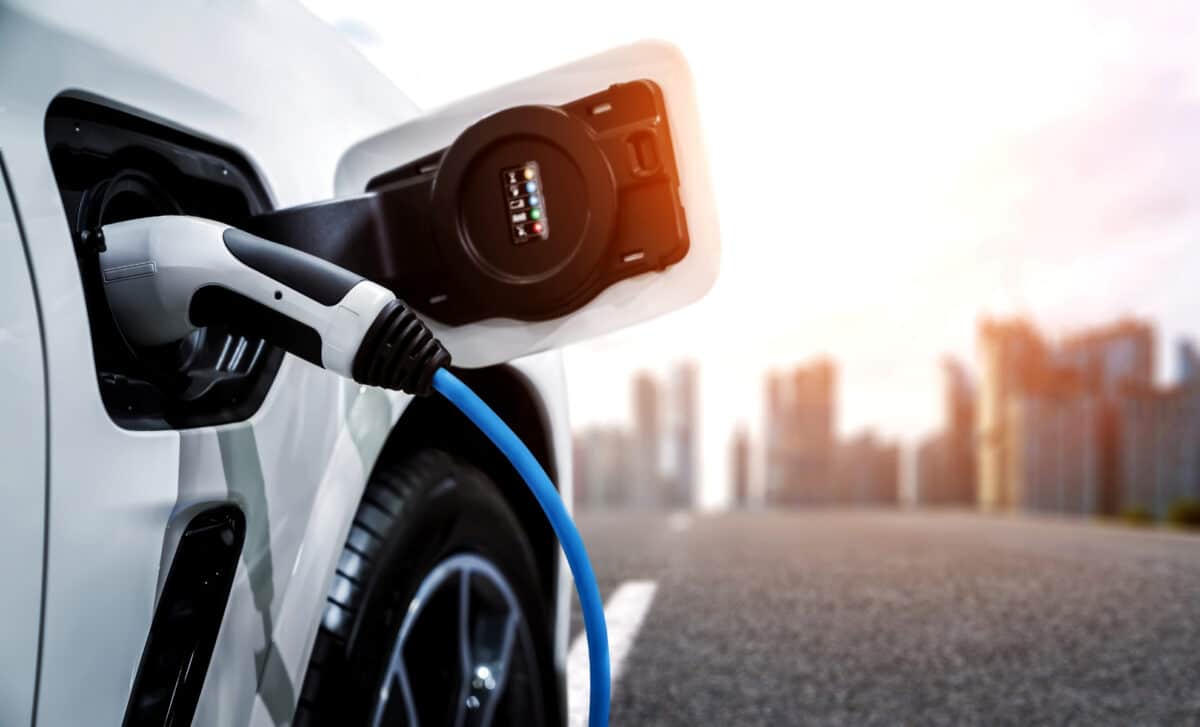
Electric vehicles have long been assessed on the metrics that look best in brochures: range, charging speed, environmental footprint. But a dimension equally central to the daily experience of EV ownership has, until now, largely escaped formal evaluation. That dimension is interoperability, the capacity of a vehicle to connect and charge without friction, regardless of the station or the country.
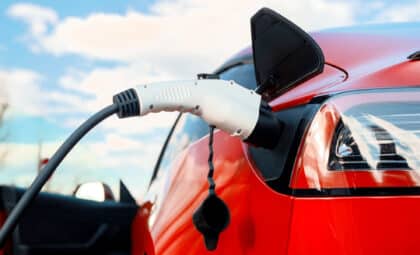
Despite real efforts from certain operators, including cross-brand alliances like ChargeLeague and Tesla’s decision to open its network to all drivers, difficulties at public charging stations remain highly recurring. Failed authentications, unstable power delivery, and outright incompatibilities with certain networks are not edge cases. They represent a persistent structural challenge. It is precisely this gap between official assessments and real-world experience that the new initiative aims to close.
Green NCAP and CharIN Sign a Memorandum of Understanding
The development comes from a partnership signed between Green NCAP, the environmental arm of Euro NCAP, Europe’s main vehicle safety assessment program, and CharIN, an international association that brings together automakers, suppliers, and charging operators to develop and harmonize technical standards for EV charging.
According to Automobile Magazine, the memorandum of understanding between the two bodies specifically targets transparency around these technical aspects, with the stated goal of integrating compliance testing programs into Green NCAP’s independent vehicle evaluations. These tests would verify whether a vehicle is genuinely compatible with existing charging standards, across different networks and in multiple countries.
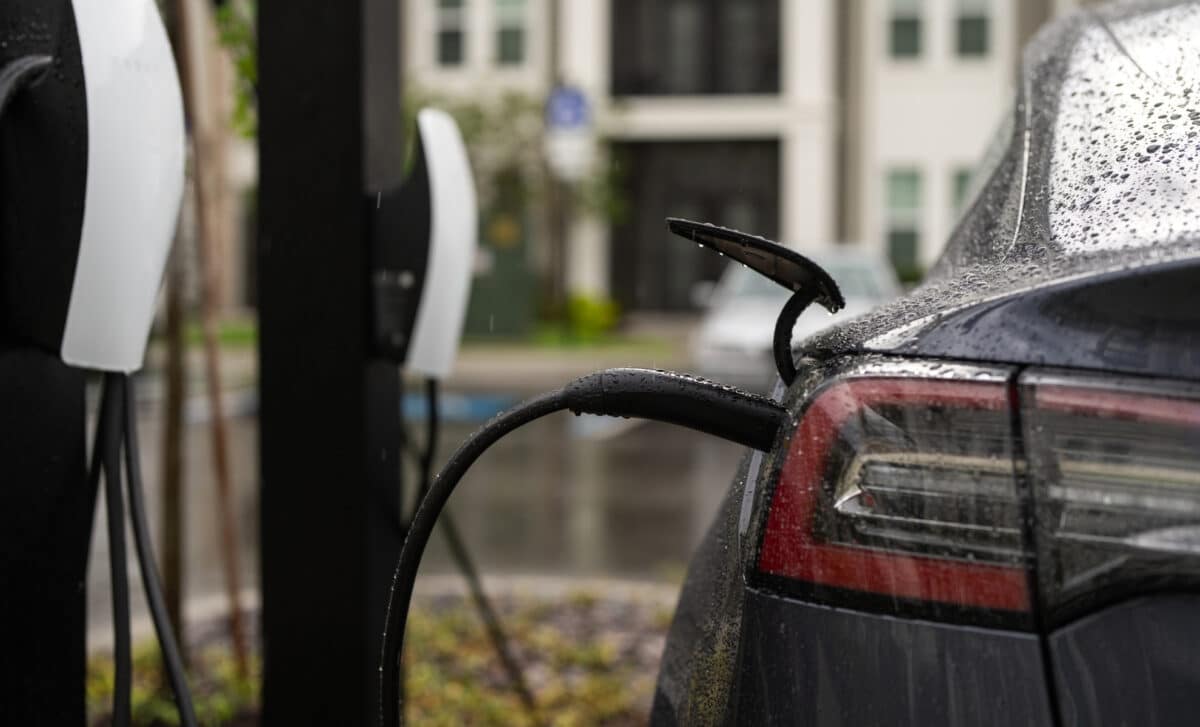
From Energy Efficiency to Real-World Compatibility
Concretely, this means that certain models could eventually be evaluated not only on their energy efficiency or environmental impact, but also on their ability to charge reliably and consistently in everyday conditions. This evolution would allow consumers, fleet managers, and public decision-makers to access more accurate information on real-world vehicle performance.
The criteria being introduced go well beyond what manufacturers typically highlight in their communications, and address instead what happens when a driver pulls up to an unfamiliar charging station and the process simply doesn’t work as expected.
A Signal to the Entire Electric Vehicle Industry
Green NCAP and CharIN, through this agreement, are also sending a broader message to automakers. Electrification can no longer be measured solely in range or power output figures, but must also account for the ability to offer a smooth and consistent experience in daily use. The market, the article explains, is becoming more mature.
As infrastructure expands and sales volumes progress, even slowly, user expectations are shifting toward the overall quality of the experience. The simple presence of charging stations is no longer sufficient. Their compatibility with vehicles and the consistency of their performance have become genuine stakes, and they are now on the verge of becoming official ones.