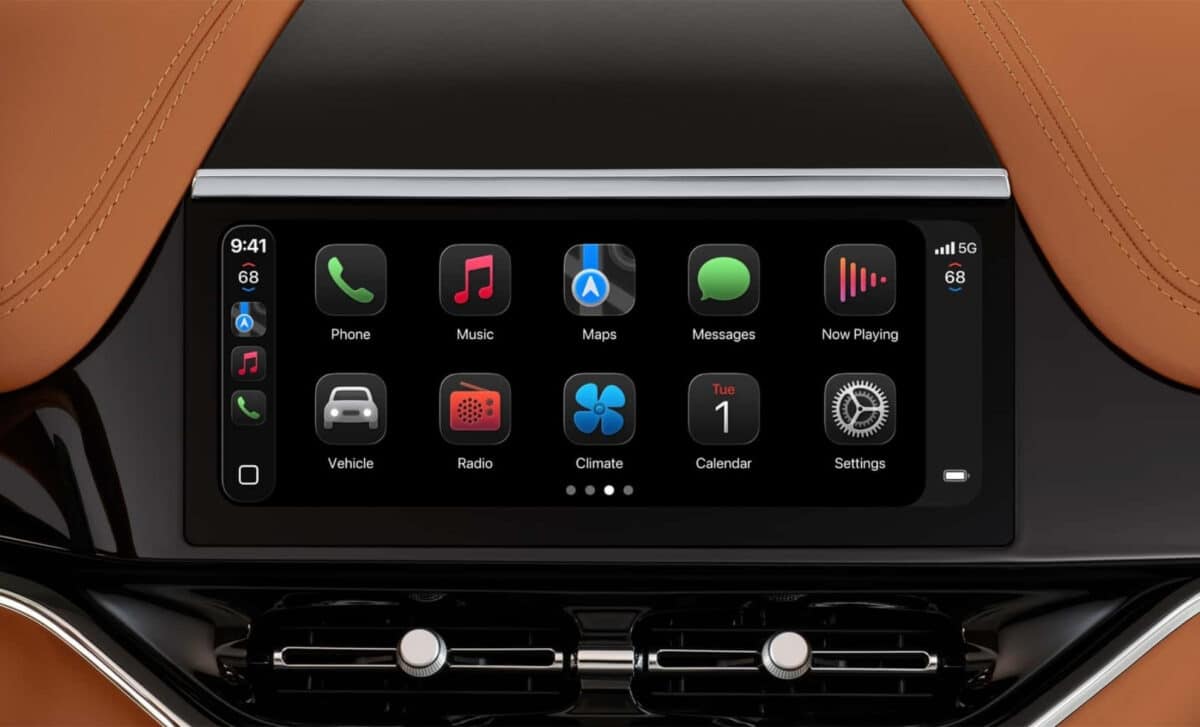
As rivals like General Motors and Rivian ditch third-party smartphone mirroring systems, Ford is making it clear that CarPlay remains a key part of its infotainment offering. The announcement, delivered at a recent industry conference, signals Ford’s intent to retain a service that many drivers now consider standard.
The discussion took place during the Barclays Global Auto and Mobility Tech Conference, where Ford CFO Sherry House addressed growing speculation around CarPlay’s future. House said Ford will “continue to give customers choice when it comes to Apple CarPlay,” describing it as “a product our customers really enjoy.” Her comments offered a direct contrast to competitors who are removing the feature from their vehicles entirely.
The debate around Apple CarPlay has intensified in recent years, especially after General Motors announced its decision in 2024 to remove the feature from its electric vehicle lineup. That move sparked criticism from drivers and tech enthusiasts alike, prompting concerns about consumer freedom and digital functionality behind the wheel.
Ford Takes A Customer-first Approach
Ford’s decision reflects a broader philosophy centered around user preference. While many companies are pushing toward tightly integrated native systems, Ford has opted to leave the choice in the hands of drivers. Speaking at the Barclays event, Sherry House stated clearly that Ford would not abandon CarPlay, emphasizing that it’s something customers continue to ask for.
Despite this stance, there is some internal debate over the newest version of the software, CarPlay Ultra. CEO Jim Farley has expressed reservations about how deeply CarPlay Ultra integrates with vehicle systems, extending beyond touchscreens into the digital instrument panel. Still, Farley reaffirmed Ford’s connection to the Apple ecosystem, saying the company remains “very committed to Apple.”
This dual message, support for Apple CarPlay alongside hesitation around deeper integration, illustrates the complexity of navigating modern infotainment systems. For Ford, the goal appears to be maintaining flexibility, allowing users to access familiar tools while preserving control over the vehicle’s core systems.
Rivals Reject Third-party Integration
While Ford is doubling down on compatibility, others are backing away. General Motors’ decision to eliminate CarPlay from its electric models marked a major shift in the industry. The company has stood by its move, insisting it has no plans to bring the feature back. GM instead opted to include Apple Music in its infotainment system, offering some level of Apple presence without the full CarPlay experience.
Rivian has taken a similar path. CEO RJ Scaringe stated that the company feels “very confident” in its own software, and does not plan to incorporate CarPlay or Android Auto. The company’s strategy centers on delivering a fully in-house system that prioritizes control and consistency, even if it means losing access to widely used apps and platforms.
These decisions represent a clear divergence in the industry. While GM and Rivian are focused on building their own ecosystems, Ford is choosing to meet customers where they are, on their smartphones.
Questions Linger Over CarPlay Ultra’s Future At Ford
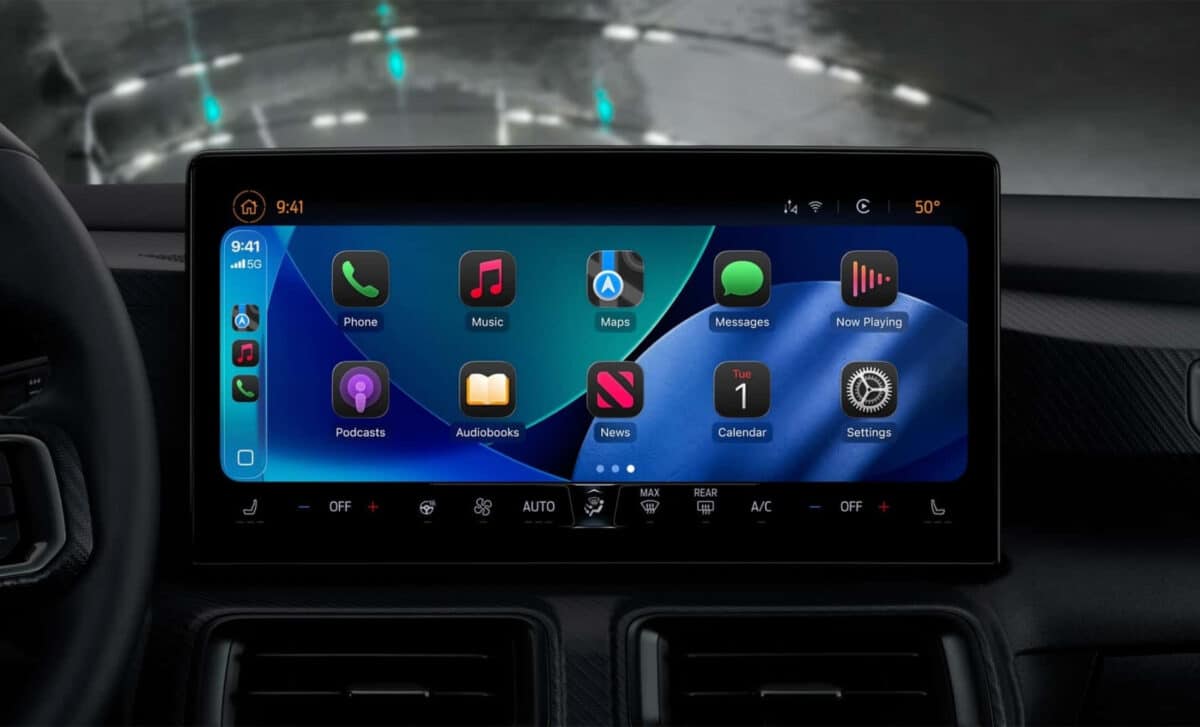
Ford’s continued support for CarPlay doesn’t necessarily mean full adoption of its latest version. CarPlay Ultra introduces a range of new features that go beyond basic phone mirroring. It allows Apple’s interface to control more vehicle functions and display information across multiple screens.
Early impressions of CarPlay Ultra have been largely positive. Testers reported a sharp interface and smooth performance, with the experience often compared to a “giant iPhone on wheels.” The only notable issue was the absence of a wired connection option, which some users might miss.
Still, Ford has yet to commit fully to this upgrade. CEO Jim Farley’s lukewarm comments on CarPlay Ultra suggest the company may take a measured approach, offering the standard version for now while evaluating the newer system’s impact on vehicle control and user experience.