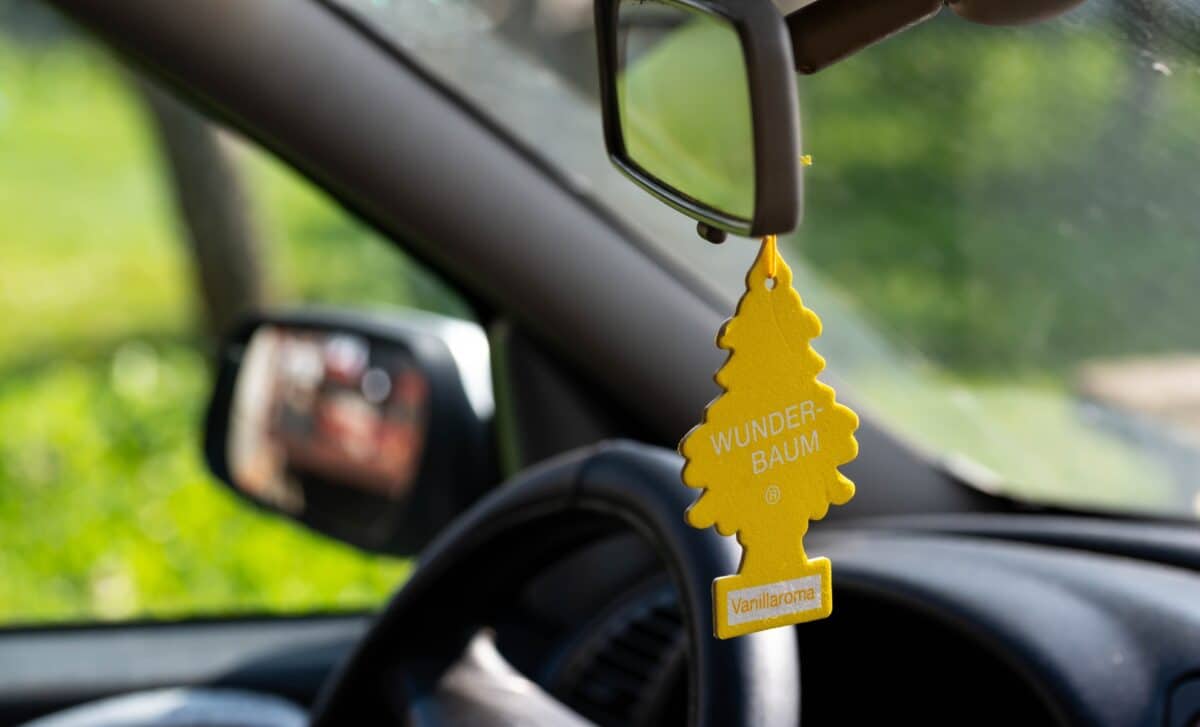
While most people consider hanging an air freshener a minor detail of car decoration, certain states have laws that deem it illegal. In these states, even something as simple as an air freshener can be considered a violation, leading to fines or, in rare cases, more serious consequences.
Though the idea of ticketing drivers for hanging air fresheners might seem trivial, the reasoning behind these laws is rooted in safety. Specifically, these laws aim to prevent any object that might obscure the driver’s view of the road. The interpretation and enforcement of these laws vary from state to state, but the general theme is the same: objects hanging from the rearview mirror are a potential distraction or safety hazard.
States Where Air Fresheners Are Illegal
Some states have passed clear laws that make hanging anything from the rearview mirror illegal, primarily due to safety concerns over obstructed views. California, New York, Pennsylvania, Arizona, Texas, Louisiana, Minnesota, Florida, Virginia, and Illinois all have rules that prohibit objects that block a driver’s line of sight. In these states, air fresheners, fuzzy dice, or any other dangling items could prompt a traffic stop and result in a citation.
Minnesota, however, is one of the strictest states when it comes to these laws. The state does not just prohibit air fresheners but bans any non-essential item from hanging in the car’s rearview mirror, including graduation tassels, rosaries, and dream catchers. While this might seem excessive, the law has sparked controversy, especially after the tragic death of Daunte Wright in 2021.
Missouri’s Ambiguous Law
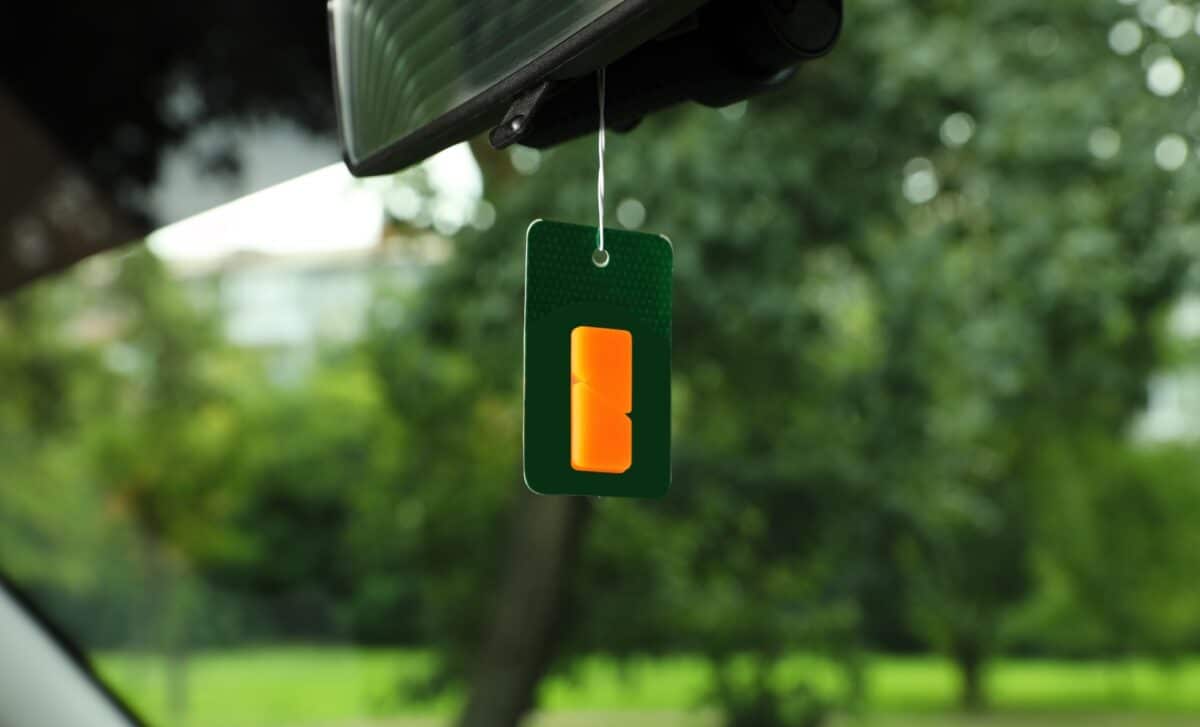
Missouri’s law on the subject is somewhat unclear. The state bans the use of a placard hanging from the rearview mirror, but the statute does not specifically mention other items like air fresheners. Missouri makes exceptions for disabled drivers, stating that a placard should only be displayed when parked. However, it remains uncertain whether other objects, such as air fresheners or decorations, fall under this restriction, leaving some drivers unsure of their legal standing.
In contrast to stricter states like Minnesota, Missouri’s law lacks clarity, which could potentially lead to confusion and inconsistent enforcement. Consequently, drivers in the state might unknowingly violate the law if their vehicle contains anything hanging from the mirror, even if it’s not a placard. This lack of specificity contributes to the confusion surrounding these laws nationwide.
Reforms and Changes in Enforcement
Some states have made efforts to mitigate the impact of these laws on drivers. For example, Virginia and Illinois have passed reforms that prevent officers from pulling over vehicles solely for having items hanging from their rearview mirror.
In these states, police officers are required to have another valid reason to initiate a traffic stop, such as a broken taillight or expired registration. This shift in policy aims to reduce the number of unnecessary stops and ensure that officers have a more substantial reason for pulling over a vehicle.
Despite these changes, the laws remain in place in many states, and the enforcement can vary. While some states focus solely on ensuring that the driver’s view is not obstructed, others take a broader approach, prohibiting all items that could potentially block visibility. As a result, drivers should be aware of their state’s laws, especially when traveling across state lines, to avoid unexpected tickets for something as simple as an air freshener.
The Legal Risks of Obstruction
The central issue at the heart of these laws is safety. An item hanging from the rearview mirror, even something as small as an air freshener, can obstruct a driver’s view of crucial elements on the road, such as traffic lights, road signs, or pedestrians.
If a police officer deems that an item is impeding the driver’s view, they can issue a ticket. This focus on safety underscores the importance of maintaining a clear line of sight while driving, but it also raises questions about how far these laws should go in regulating what can and cannot hang in a car.
For drivers who may be unaware of these laws, the consequences can be more than just a fine. In some states, the violation could lead to a more serious traffic stop, especially if the officer decides to search the vehicle.