The Insight holds a special place in Honda’s history as the brand’s first mass-produced hybrid vehicle. Earlier versions evolved significantly over time, beginning as a coupe before shifting to a hatchback and later a sedan. Now the model undergoes another transformation, reflecting the company’s broader move toward electrification.
This new generation also marks the first time the Insight abandons internal combustion entirely. Honda has replaced the hybrid powertrain with a battery-electric setup and redesigned the vehicle as a crossover, a body style that has become increasingly common across global EV lineups.
A Familiar Nameplate Returns with a New Design Direction
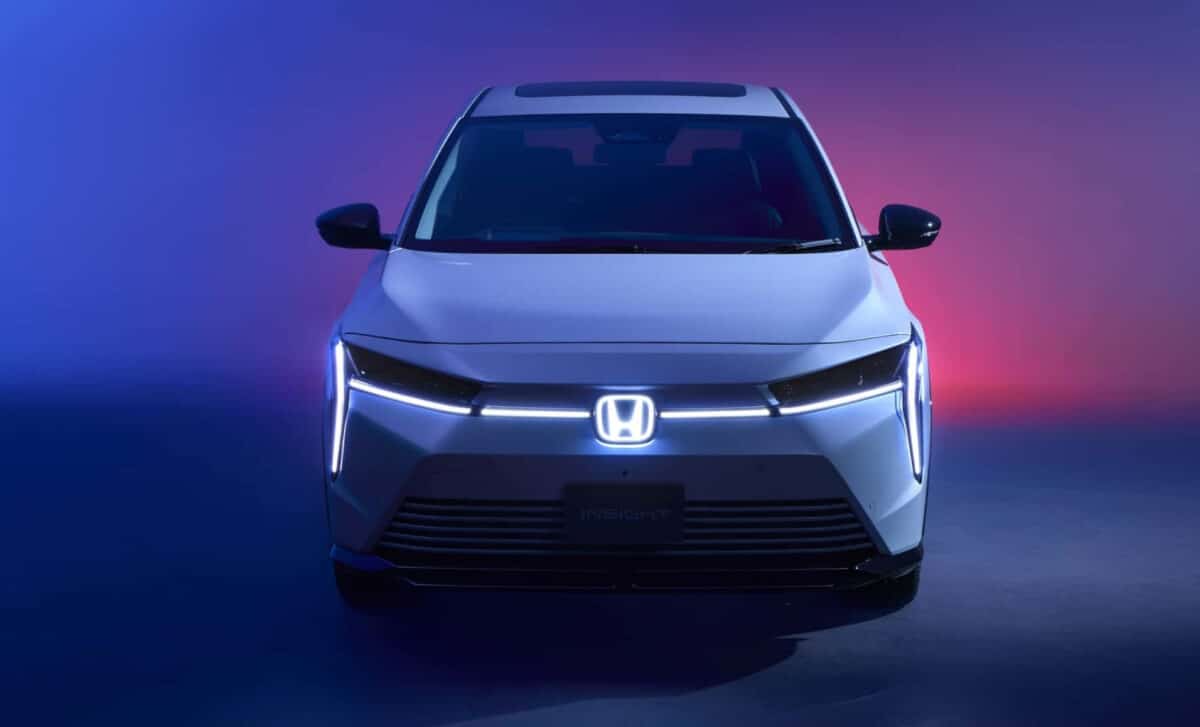
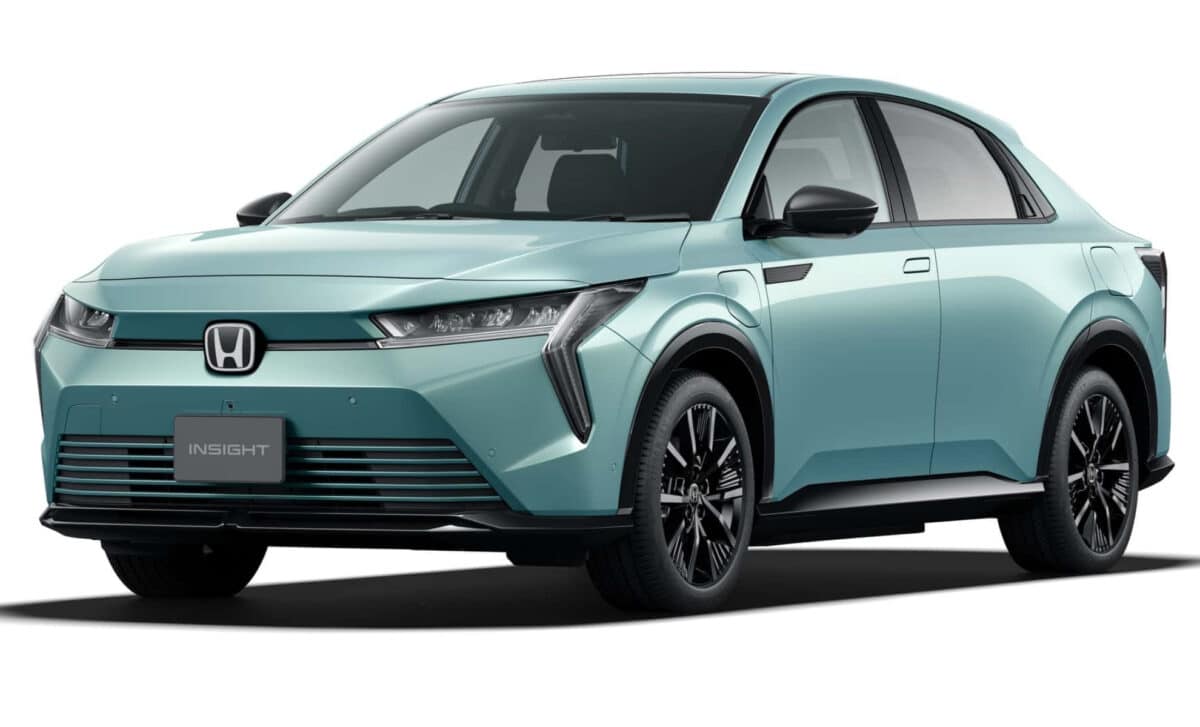
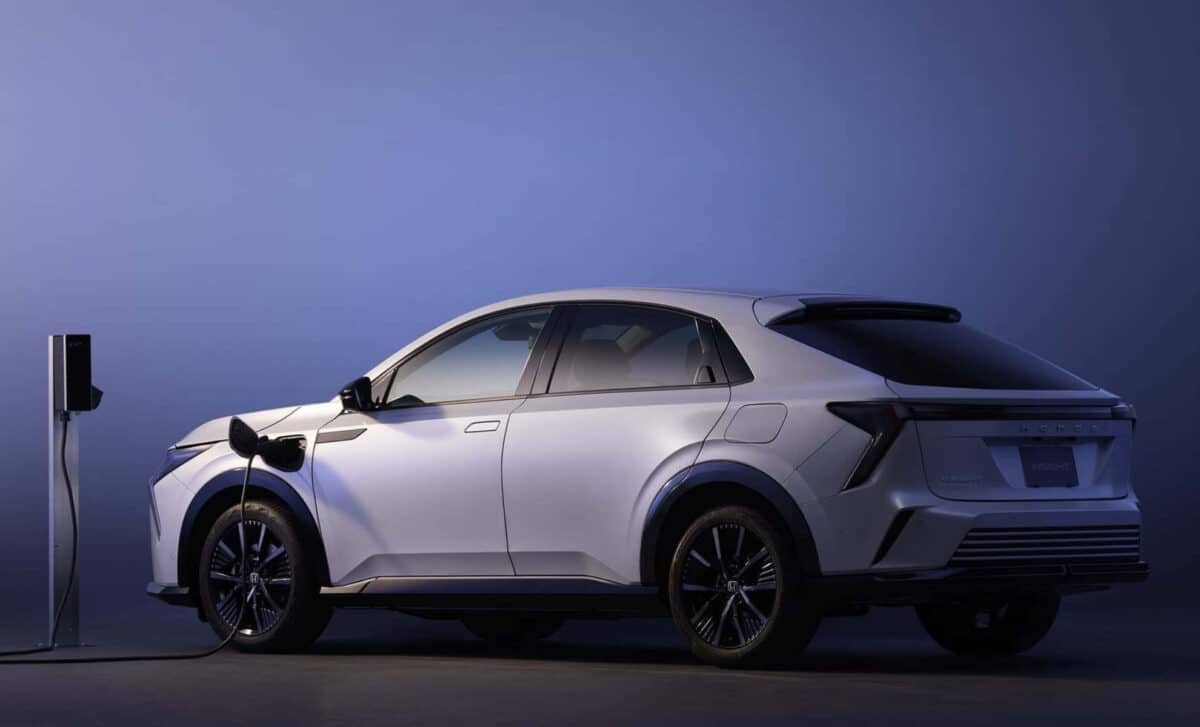
The latest Insight introduces a completely new design compared with earlier versions. The model features an electric crossover silhouette and styling elements that follow recent automotive design trends.
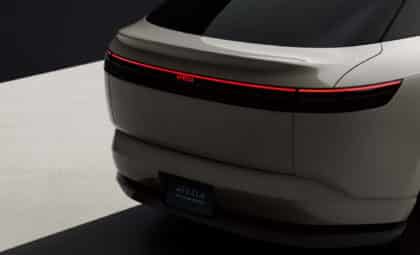
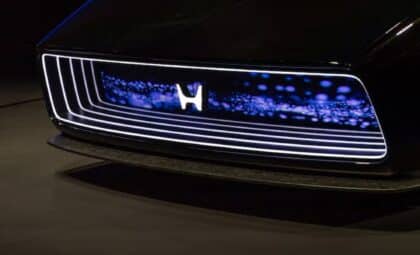
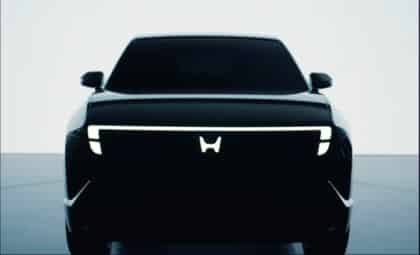
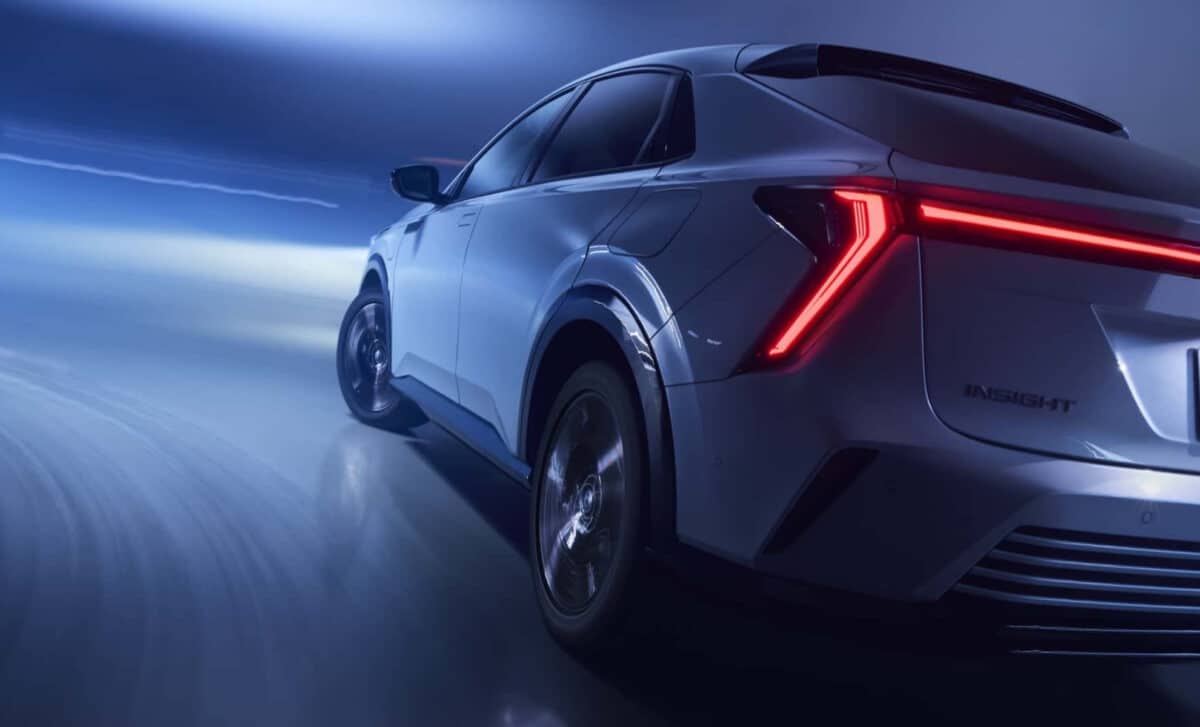
Boomerang-shaped lights appear at both the front and rear, and light bars stretch across both ends of the vehicle. According to Motor1, these design cues resemble styling used by Stellantis’ DS Automobiles brand. Even so, the model is described as less angular than vehicles from Honda’s upcoming 0 Series.
The transformation also highlights the evolution of the Insight nameplate. The original version debuted as a compact coupe, while later generations moved to a hatchback and eventually a sedan body style. The new iteration represents yet another shift, aligning the model with the growing popularity of electric crossovers.
Technical Details Hint at Shared Components with a China-Market EV
Honda has not yet released a full specification sheet for the new Insight. Still, the company confirmed several key figures related to performance and range. The electric crossover is expected to deliver more than 311 miles (500 kilometers) of driving range under the WLTC testing cycle. The electric motor produces 229 lb-ft (310 Nm) of torque, and the vehicle includes a Sport mode designed to provide quicker acceleration along with enhanced sound effects.
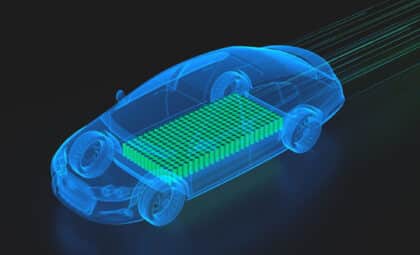
These numbers closely match the specifications of the Honda e:NS2, a battery-electric crossover launched by the Dongfeng Honda joint venture in China in 2024. That model uses a front-mounted electric motor producing 201 horsepower and is powered by a 68.8-kWh battery pack. The e:NS2 is rated at 339 miles (545 kilometers) of range under the CLTC cycle.
Visual similarities also stand out. The exterior proportions appear closely related to the Chinese EV, and the cabin layout looks nearly identical when compared side by side.
A Feature-Rich Interior with Technology-Focused Controls
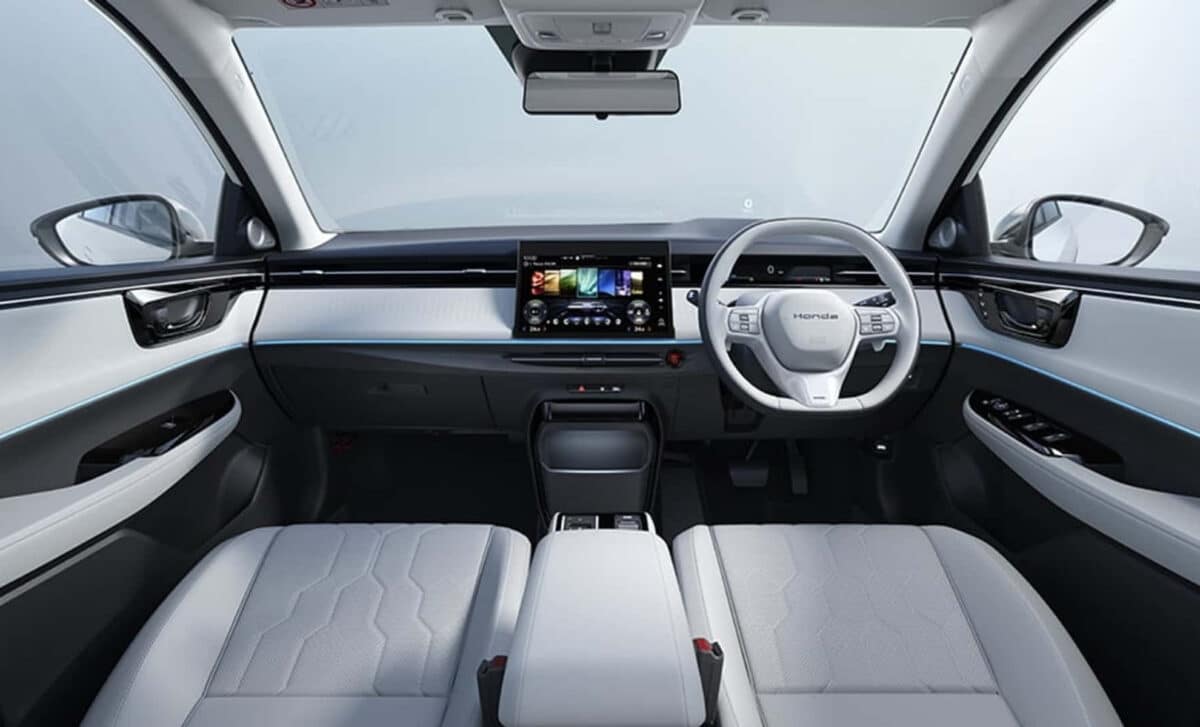
Inside, the new Insight adopts a technology-heavy layout that reflects design approaches often seen in Chinese-market vehicles. The dashboard integrates a 12.8-inch central touchscreen alongside a 9.4-inch digital instrument cluster.
The vehicle includes relatively few physical controls, and the absence of dedicated climate buttons is another element that suggests Chinese design influence. A limited number of buttons remain, though far fewer than typically found in Honda’s global models.
The equipment list is extensive. The crossover offers electrically adjustable front seats, a 12-speaker Bose sound system, ambient lighting, and a head-up display. Ventilated front seats are also included, along with a heated steering wheel and reclining rear seats.
Additional features highlight convenience and safety functions. The interior includes a perfume dispenser, and a front-facing camera can record footage, a function intended to capture events in case of an accident. The model also comes with an electric sunroof, although Motor1 notes that its size is relatively small compared with other vehicles available in 2026.
Honda plans to launch the new Insight in Japan this spring, with reservations scheduled to begin on March 19. The automaker has not confirmed where the vehicle will be produced, though the possibility of exporting the model from China to Japan has not been ruled out.