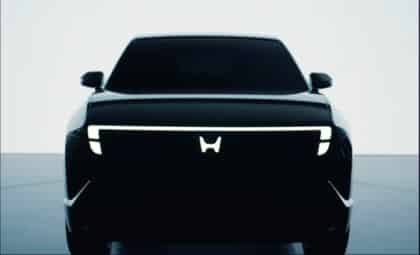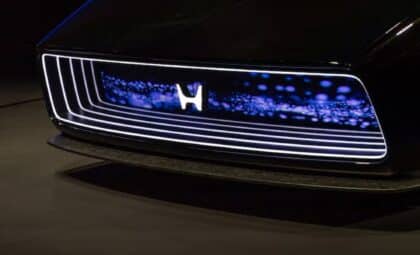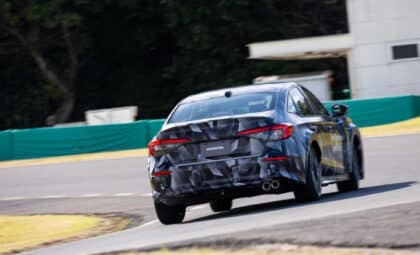

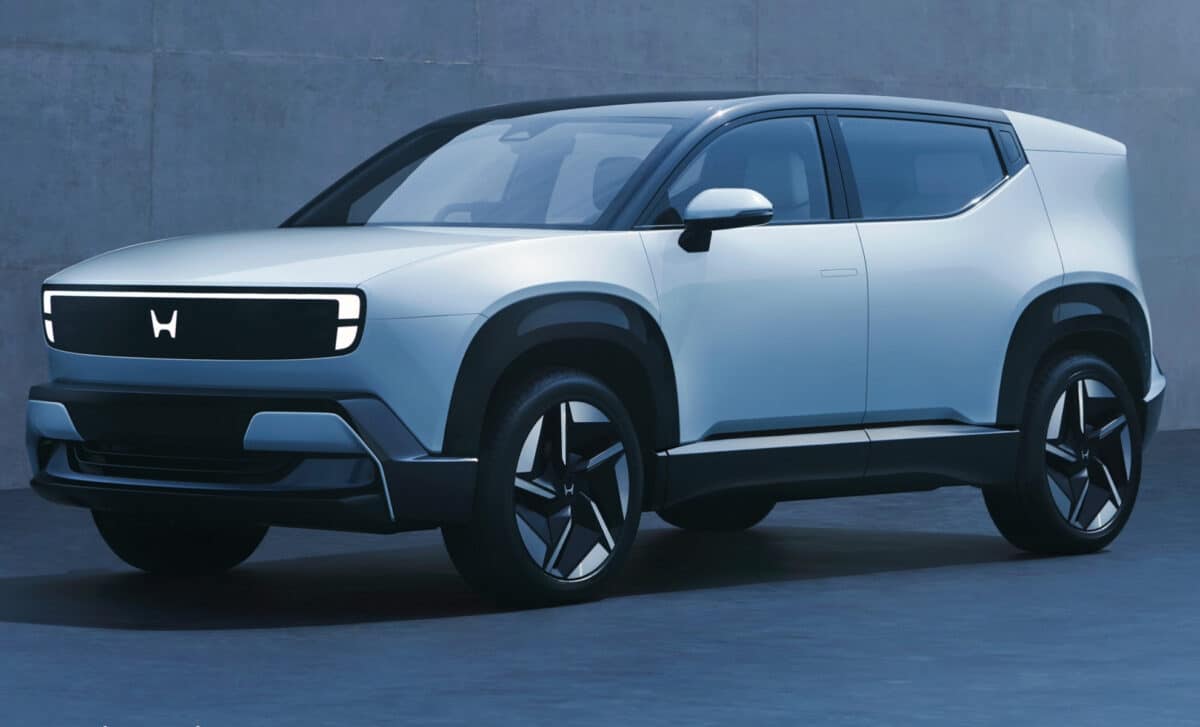
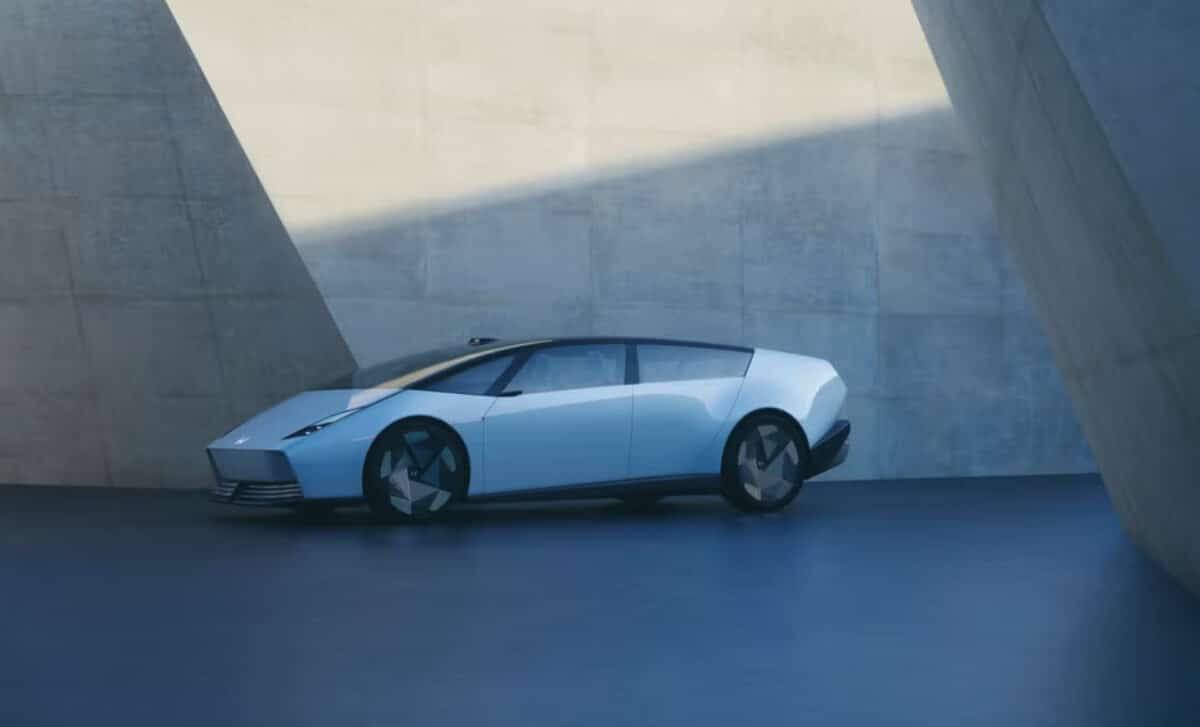
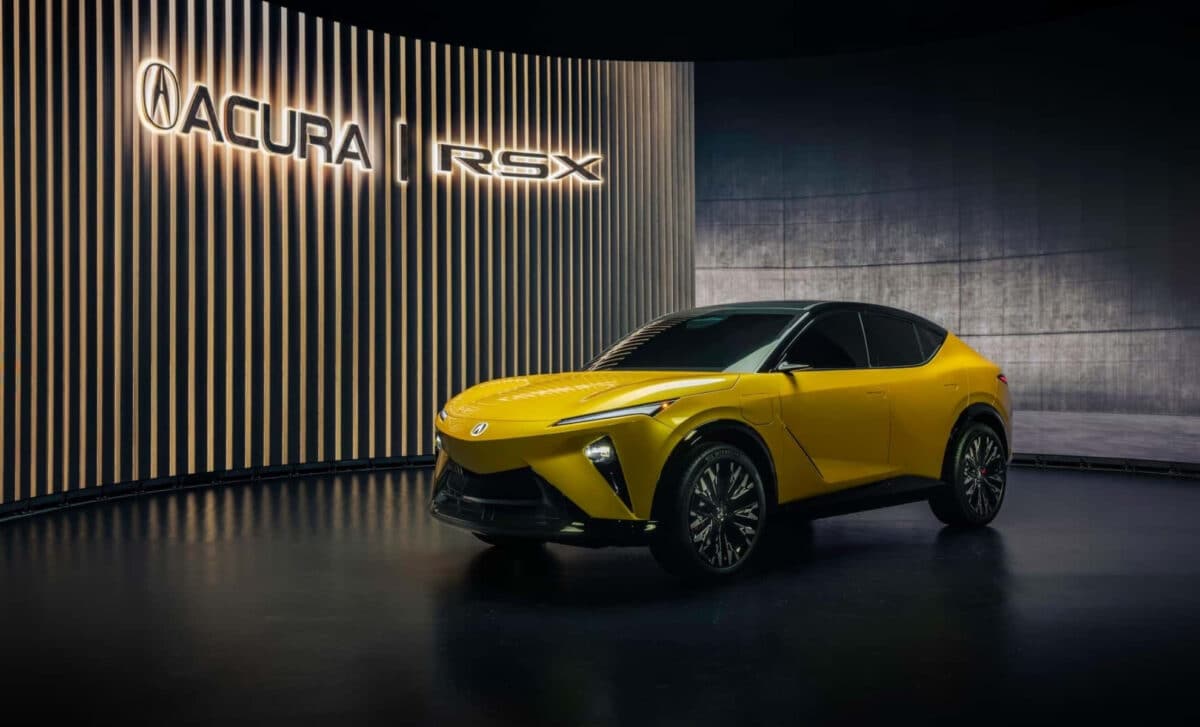
The three models affected, the Honda 0 Series SUV, the Honda 0 Series Saloon, and the Acura RSX, were all slated for assembly at Honda’s Marysville Auto Plant in Ohio, a facility that had been retooling for much of the past two years in preparation for their production. Their cancellation leaves that investment in limbo and sends a clear signal about how the company now reads the North American electric vehicle market.
This isn’t a quiet retreat. Honda has been unusually transparent about the reasoning behind its decision, pointing directly to American trade and energy policy as key factors. The company warned that launching the three models under current conditions would not simply be a short-term setback, it would likely generate sustained financial losses with no clear recovery path.
Tariffs, Policy Uncertainty, and a Blunt Admission
Honda’s announcement was, by corporate standards, strikingly candid. The automaker pointed to American tariff policies and the unpredictable nature surrounding U.S. EV incentives and fossil fuel regulations as central drivers of the decision. According to Car and Driver, Honda stated plainly that proceeding with the launches in the current environment “would likely result in further losses over the long term.”
The company also addressed the situation in China directly, noting that customer values there have shifted, buyers are now prioritizing software features over traditional metrics like fuel efficiency and cabin space. In a rare admission, Honda acknowledged that it was simply unable to deliver products offering better value than those from newer Chinese manufacturers.
Honda said other options were considered before the final call was made to scrap all three vehicles. The decision was not taken lightly, but the company ultimately concluded that the investment could not be justified given the scale of projected demand.
The Financial Fallout
The numbers are hard to ignore. According to Motor1, Honda estimates losses of up to ¥2.5 trillion as a result of the cancellations, equivalent to roughly $15.8 billion at current exchange rates. It is a figure that reflects not only the sunk costs of vehicle development, but the broader disruption caused by halting a manufacturing pivot that was already well underway.
In response to the financial pressure, several top executives are returning or reducing their salaries by up to 30 percent of their monthly compensation over a period of three months. Honda has also indicated it is working to establish what it describes as a “fixed-cost structure appropriate for the scale” for any future electric vehicle implementation, though details on what that means in practice remain vague.
A revised mid- to long-term strategy is expected to be presented at a press conference scheduled for May of this year. Until then, the company appears to be in a period of deliberate reassessment.
Hybrids Step Back Into the Spotlight
With the EV plans shelved, Honda is redirecting resources toward next-generation hybrid technology. The company cites a “slowdown in the growth of the EV market in the U.S.” as the basis for this reallocation. Large SUVs have already been confirmed to receive a new V6 engine, and engineers are targeting a 30 percent improvement in fuel efficiency for large hybrids compared to current equivalent gasoline models.
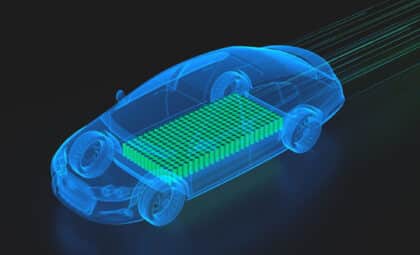
The three canceled EVs were developed on a platform built entirely in-house, a notable distinction from the Acura ZDX, which was developed in cooperation with General Motors and went out of production last year. The RSX, in particular, had been reimagined as an electric crossover, a significant departure from its origins as a replacement for the Integra, which some enthusiasts had already viewed with skepticism.
For now, Honda’s electric ambitions in the United States are on hold, replaced by a more cautious, hybrid-forward approach as the company waits to see how the market, and policy landscape, evolves.