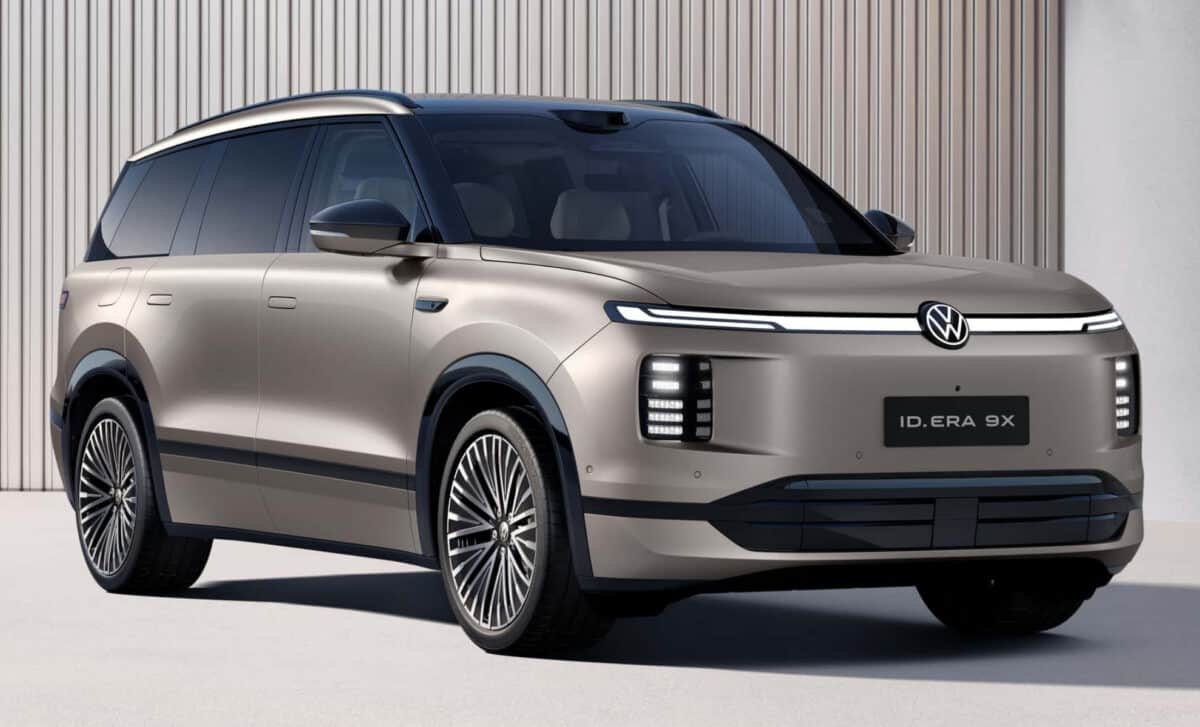
The episode began when Volkswagen, through its SAIC joint venture in China, announced the first production unit of its EA211-based “range extender” engine. The system will power the upcoming Volkswagen ID. Era 9X SUV, the brand’s first flagship extended-range electric vehicle for the Chinese market.
Soon after the announcement, Li Auto publicly criticized the technology on social media, calling it outdated and environmentally unfriendly. The comment quickly drew attention across the industry, not only because of its tone but also because direct public criticism between major carmakers remains relatively rare.
Volkswagen Celebrates Production Milestone for EA211 Range Extender
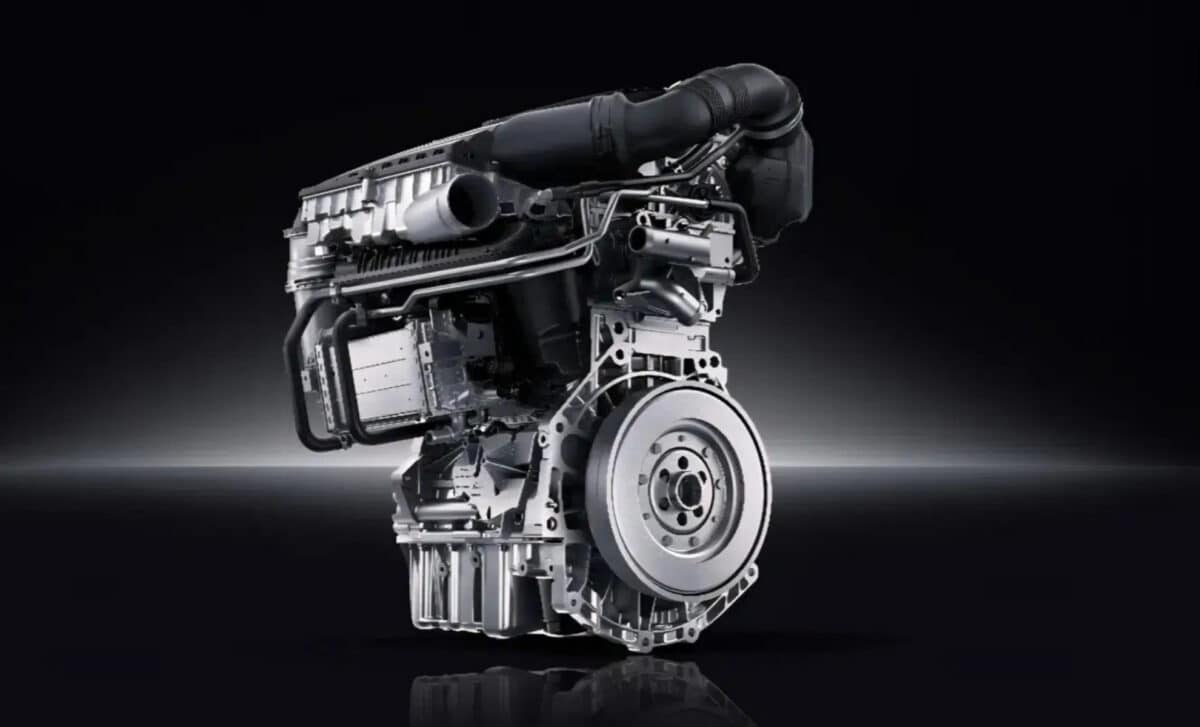
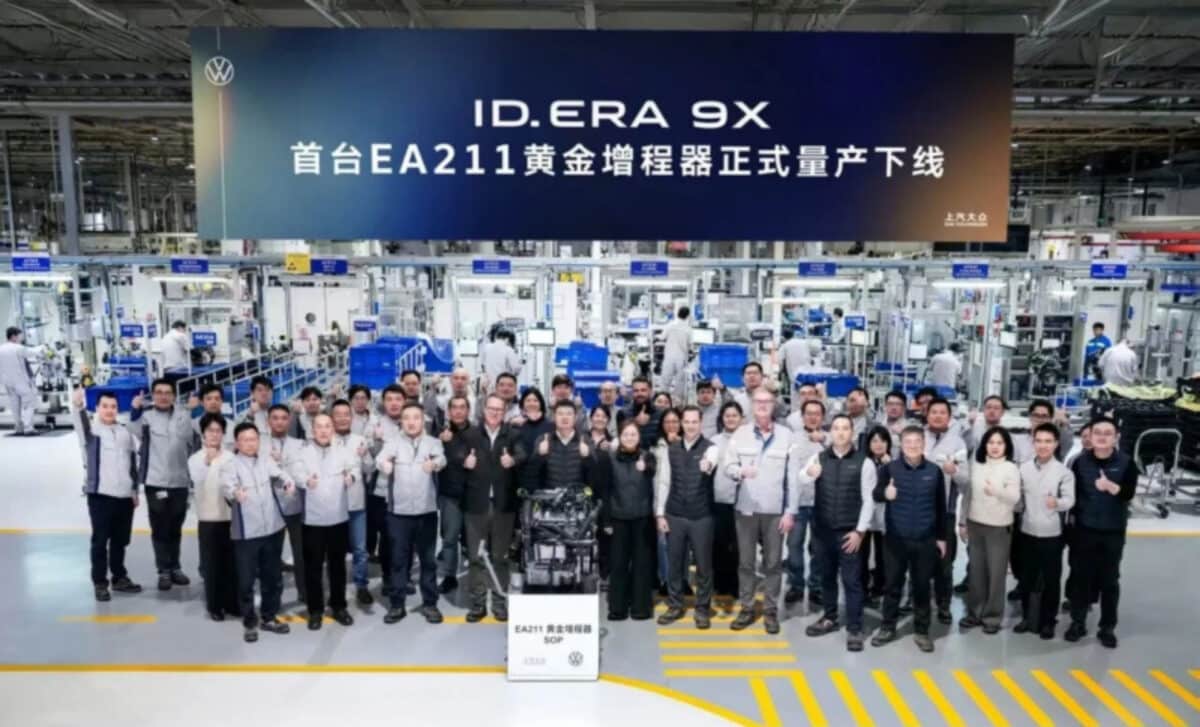
Volkswagen marked the event on March 2 when the first EA211 “golden range extender” rolled off the production line in China. According to CarNewsChina, the technology is derived from the EA211 1.5T EVO II turbocharged engine platform.
The system incorporates several engineering features aimed at improving efficiency. These include a variable geometry turbocharger (VTG) designed to adjust airflow and increase power-generation efficiency, along with a deep Miller cycle and a fuel injection pressure of 350 bar intended to help reduce emissions.
The range extender will debut in the Volkswagen ID. Era 9X SUV, which is expected to begin pre-sales in China in March. The EA211 engine family itself has already seen large-scale deployment in the country. More than 20 million units from the EA211 series have been installed in vehicles in the Chinese market since its introduction in 2011.
LI Auto Criticizes the Technology as “Outdated”
The announcement prompted a blunt response from Li Auto’s social media director on Weibo. The executive wrote: “Congratulations to Volkswagen for successfully mass-producing a technology that is outdated, very environmentally unfriendly, and had little development potential in just 6 years!”
Gamereactor notes that public mockery between major car manufacturers is relatively uncommon, which helped the comment gain visibility online. The remark came shortly after Volkswagen celebrated the engineering milestone with images of engineers involved in the project.
Volkswagen has faced criticism in the past over the pace of its transition toward fully electric vehicles. Even so, the directness of Li Auto’s comment still raised eyebrows within the automotive sector.
A Disagreement That Dates Back to 2020
The tension between the two companies did not begin with the recent announcement. The dispute dates back to September 2020, when Volkswagen China CEO Stephan Wöllenstein publicly criticized extended-range electric vehicles.
At the time, Wöllenstein argued that EREV systems, which generate electricity using gasoline, are environmentally unfriendly. In the same period, Volkswagen China’s head of research and development, Wiedmann, reportedly described the technology as outdated and limited in its development potential.
Li Auto responded by defending its products, particularly the Li One. The company stated that a direct comparison of vehicles would show the Li One’s advantages and invited media outlets to compare its fuel consumption and driving experience with plug-in hybrid models such as the Audi Q7 e-tron and the Porsche Cayenne E-Hybrid.
The exchange continued into December 2021. Li Auto CEO Li Xiang said monthly sales of the Li One had exceeded the combined sales of five Volkswagen SUVs, further pushing back against Volkswagen’s earlier criticism of EREV technology.