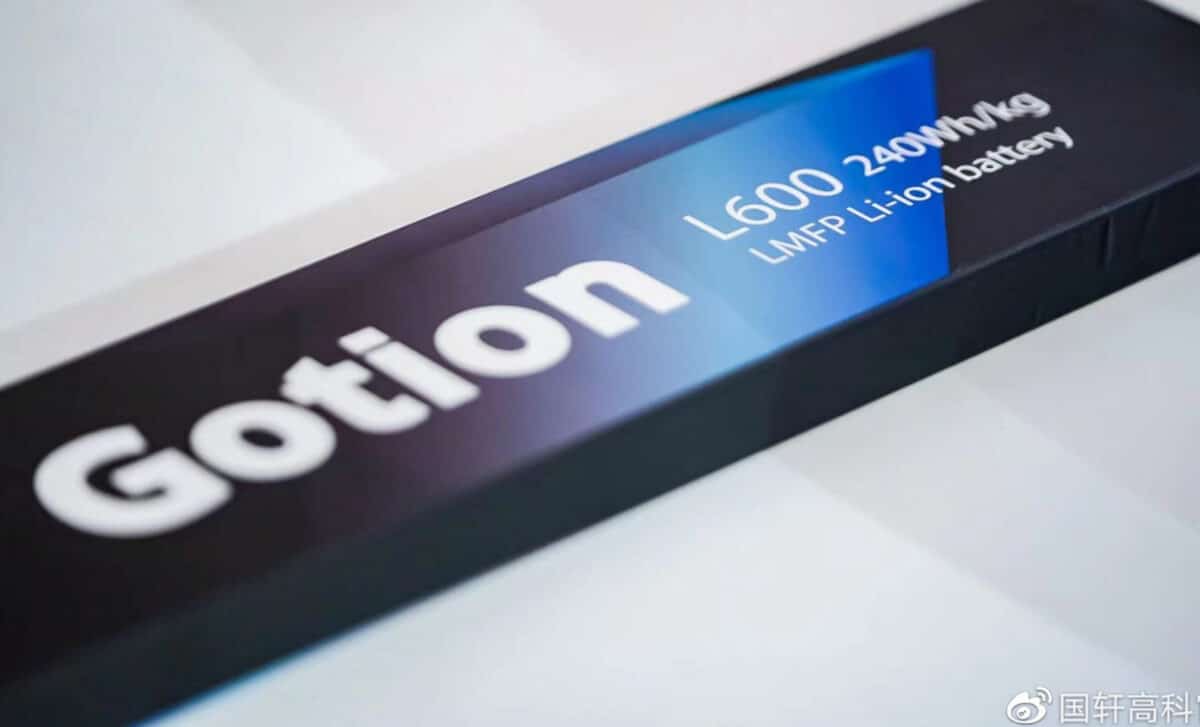
Volkswagen’s ties to Gotion go back to 2020, when the German automaker acquired approximately 26 percent of the Chinese company for $1.2 billion, becoming its largest shareholder. That investment was designed to secure cutting-edge battery technology and a reliable future supply for VW Group’s electric vehicles, and Gotion’s latest progress suggests the bet may be paying off.
The timing of this development is notable. While solid-state battery technology has been discussed as the next frontier in EV development for years, many manufacturers have struggled to bridge the gap between promising lab results and scalable production. Gotion now appears to be closing that gap.
A Battery Built for Performance and Durability
The Gemstone cells are engineered to deliver an energy density of approximately 350 Wh/kg, with a single-cell capacity of 70 Ah. According to Autoblog, when integrated into a production EV, that specification could translate into a driving range of around 620 miles.
Gotion also reports that the batteries have been tested for durability across a temperature range from minus 40 degrees to 176 degrees Fahrenheit, maintaining stable performance throughout, a characteristic the company highlights as a direct answer to weather-dependent range loss that affects current lithium-ion technology.
Scaling Up: From Pilot Line to Mass Production
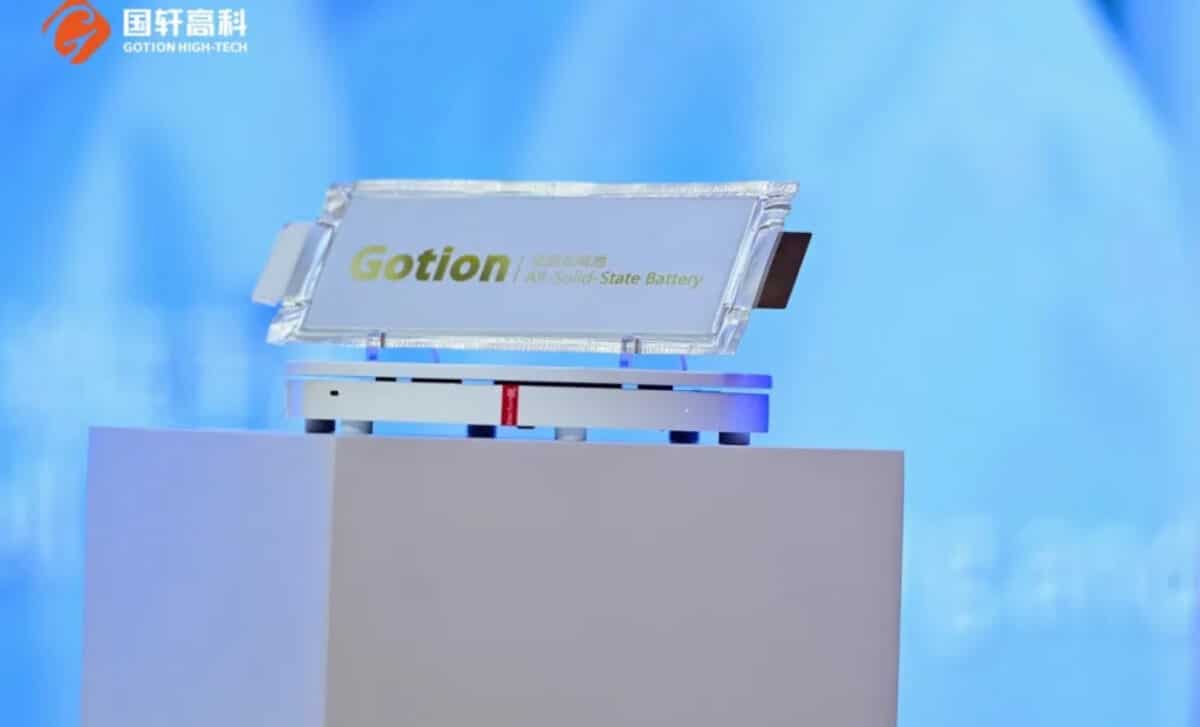
Gotion’s manufacturing ambitions go well beyond vehicle testing. According to China’s IT Home, Gotion has finalized the design of a new 2 GWh solid-state battery production line, following results from a 0.2 GWh pilot facility.
That pilot operation reportedly achieved a production yield rate of around 90 percent, a figure that carries practical weight, as yield rates directly determine whether a battery technology can be manufactured economically at scale.
The leap from 0.2 GWh to 2 GWh represents a tenfold increase in production capacity. Gotion states it developed its manufacturing process entirely in-house, using domestically sourced equipment, and has protected it with more than 30 patents.
What Comes Next for VW Group
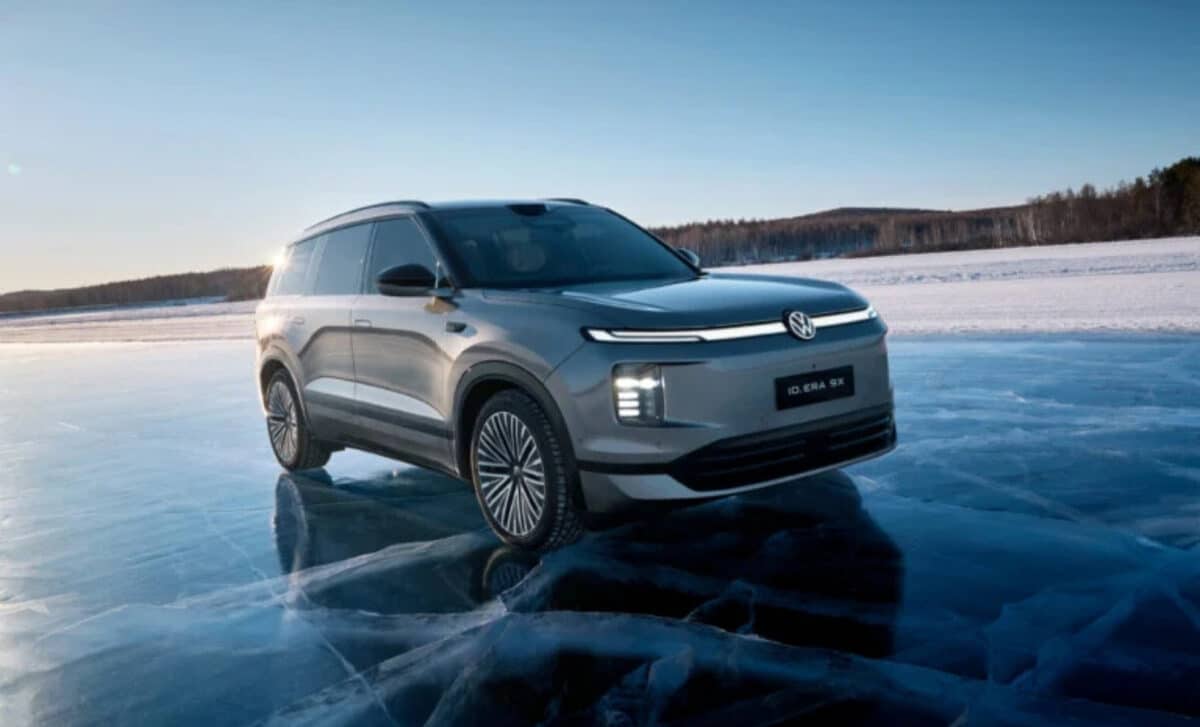
Once Gotion’s solid-state batteries reach commercial production, they are intended to power Volkswagen Group electric vehicles, the direct commercial return on the automaker’s 2020 investment. While large-scale mass production may still be a few years away, the commencement of real-world vehicle testing suggests the solid-state era is closer than previously anticipated.