
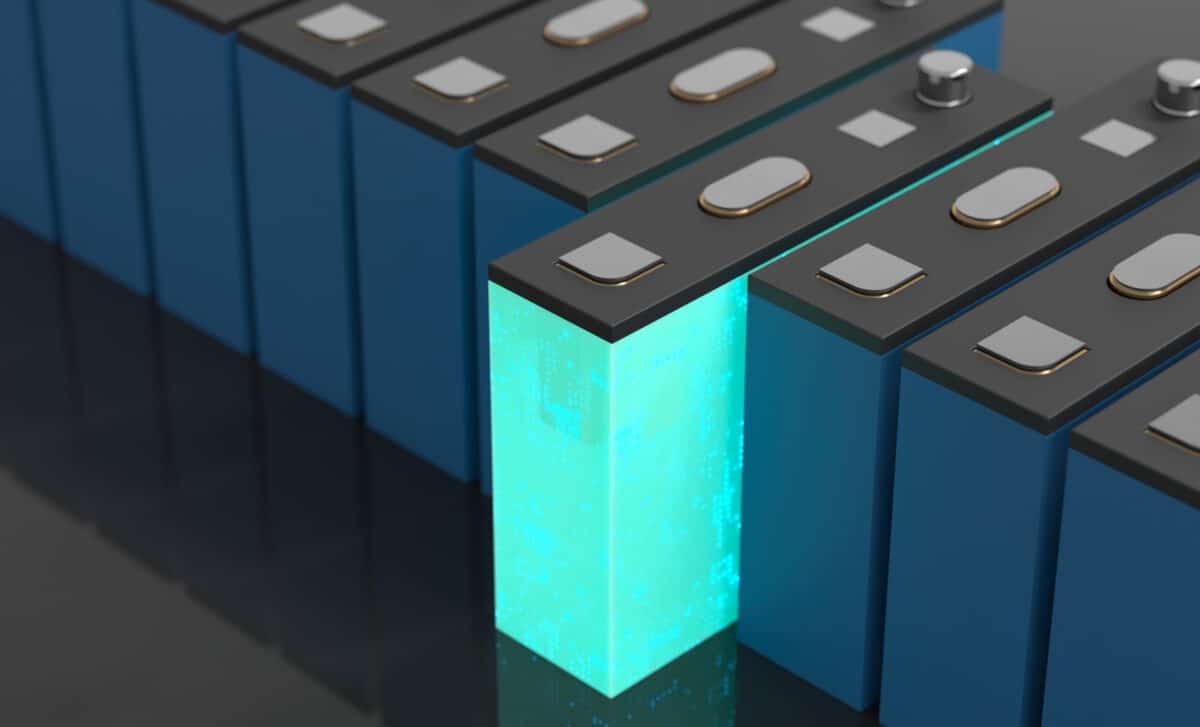
The race to commercialise solid-state batteries has intensified as automakers and suppliers seek breakthroughs in energy density and safety. Unlike conventional lithium-ion batteries that use liquid electrolytes, solid-state versions promise higher performance and greater stability under extreme conditions. Gotion’s latest milestone indicates that the technology is progressing beyond the laboratory and into real-world validation, though mass production is not expected immediately.
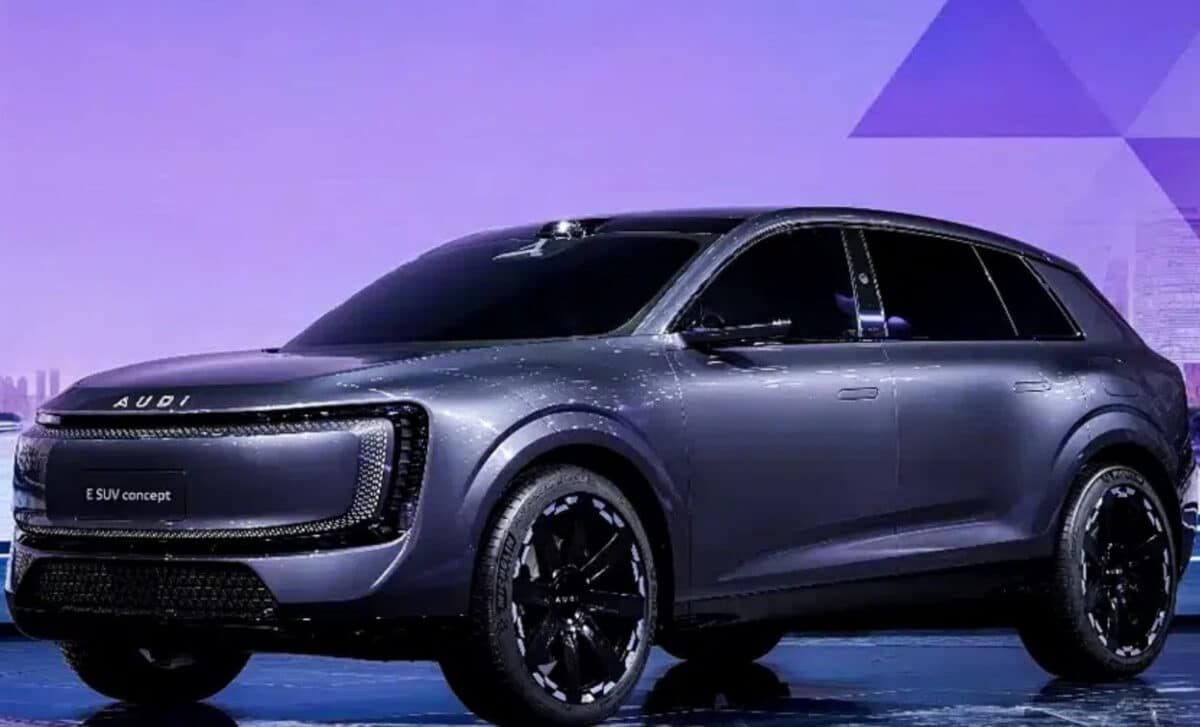
Volkswagen established a significant stake in Gotion back in 2020, investing roughly €1 billion to acquire 26 percent of the company, making it the Chinese battery giant’s largest shareholder. Through this partnership, Gotion is positioned to supply lithium iron phosphate cells as well as advanced chemistries like solid-state for Volkswagen Group electric vehicles, including those under the Audi brand.
Gotion Completes Design Work for Expanded Production Line
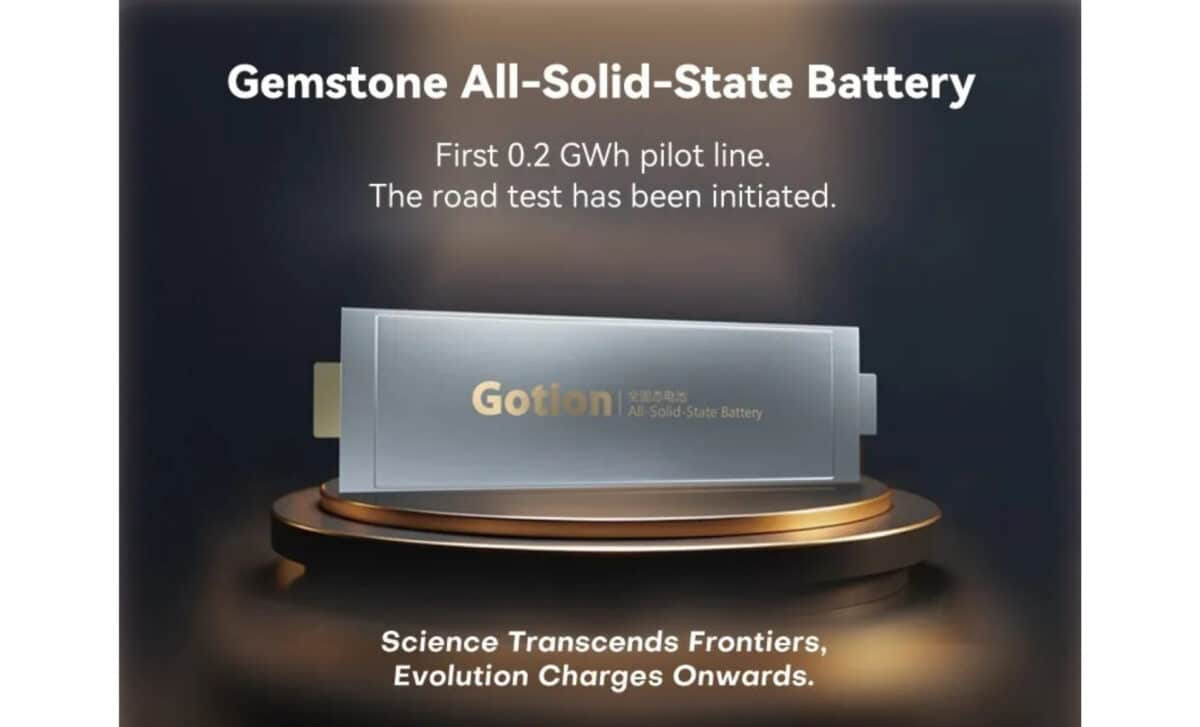
The company has been scaling its solid-state manufacturing capacity following the completion of a pilot production line last May. According to China’s IT Home, that 0.2 GWh pilot line achieved a yield rate of 90 percent, allowing Gotion to refine its processes before attempting larger volumes.
Gotion has now announced on its interactive platform that design work is basically completed for a 2 GWh all-solid-state battery production line. The company is transitioning from the pilot phase toward mass production, with all equipment sourced domestically and the setup developed entirely in-house. Gotion holds over 30 patents related to this production technology.
Battery Specifications Show Performance Improvements
During an event last summer, Gotion detailed the performance gains achieved with the 2025 iteration of its all-solid-state cells. Sulfide electrolyte ion conductivity improved by 60 percent, cell capacity increased by 150 percent, and pre-tension stacking pressure was reduced by 90 percent.
The GEMSTONE all-solid-state battery currently demonstrates a cell energy density of 350 Wh/kg and a single-cell capacity of 70 Ah. As reported by Electrek, Gotion has begun testing these batteries in vehicles. The company previously stated that the battery could achieve the 1,000 km CLTC range under standard testing conditions. The cells also maintained functionality during extreme-weather testing, with temperatures ranging from -40°C to 80°C.
Gotion Also Advances Quasi-Solid-State Battery Technology
In parallel with its all-solid-state work, Gotion is developing its G-Yuan quasi-solid-state battery. This technology delivers an energy density of 300 Wh/kg, which also enables an electric vehicle range exceeding 1,000 kilometres.
The broader industry context shows that Chinese manufacturers including BYD and CATL are actively developing new chemistries such as solid-state and sodium-ion. These efforts aim to reduce costs, improve efficiency and safety, and lessen dependence on raw materials.
While solid-state batteries are often described as the holy grail of battery technology, they represent just one part of a larger strategy to diversify energy storage solutions. Several Chinese automakers have either begun or plan to begin testing solid-state batteries in vehicles in small batches by the end of 2026, with mass production scheduled for around 2030.