Standard lead-acid car batteries generally last between three and five years, while AGM batteries can reach up to seven. But those numbers drop quickly if the battery is misused, neglected, or exposed to extreme conditions. It’s not just about how old the battery is, it’s about how it’s treated every day.
Warning signs like dimming lights or sluggish starts usually appear late, when the battery is already deteriorating. Regular checks and careful use of the car’s electrical systems can go a long way in preventing early failure. Here are five proven ways to extend your battery’s life, based strictly on expert-reported practices.
Switch Everything Off Before You Walk Away
Electrical accessories continue to draw power long after the engine stops, unless they’re turned off. Leaving a single interior light on overnight can deplete the battery enough to prevent the car from starting. Dashcams, radios, GPS units, seat warmers, and other plugged-in devices quietly drain power, sometimes for hours.
Aftermarket equipment is a frequent cause of parasitic drain. These systems may not shut off automatically, resulting in repeated deep discharges that can reduce a battery’s lifespan to just two years. A multimeter can be used to check for this: a reading above 50 milliamps after the engine is off suggests something is pulling power in the background. To isolate the cause, fuses can be removed one by one until the drain disappears.
Avoid Letting Your Car Sit Idle For Too Long
Car batteries perform best with regular use. Leaving a vehicle unused for more than two weeks can weaken the battery, especially if it’s stored in poor conditions. This kind of inactivity causes deep discharge, which degrades the battery’s capacity over time.
Driving for at least 30 minutes once a week can keep the battery healthy. If the vehicle must be stored, during winter or vacation, for example, experts recommend charging the battery fully first and disconnecting anything that might cause a drain. Temperature also plays a role. Battery makers like Varta advise storing cars at around 60°F to reduce chemical wear. A trickle charger can be used to maintain charge levels without overloading the battery.
Short Trips Don’t Give Your Battery Time To Recover
A quick drive to the store may be convenient, but it doesn’t do your battery any favors. Short trips don’t allow enough time for the alternator to fully recharge the battery after startup, especially in cold weather.
Over time, undercharging can lead to sulfate buildup on the battery’s internal plates, reducing its performance and lifespan. A battery maintainer can help compensate for repeated short trips. The American Automobile Association (AAA) also recommends avoiding drives shorter than 10 miles when possible, or taking longer routes occasionally to give the battery a chance to recharge fully.
Temperature Extremes Wear Down Batteries Faster
Car batteries don’t like temperature extremes, hot or cold. High heat speeds up internal corrosion, while cold thickens the battery fluid, making it harder to start the engine. This leads to more strain and a shorter lifespan.
Consumer Reports has found that batteries last significantly longer in cooler climates, about 58 months in northern U.S. regions, compared to 41 months in the south. It’s recommended to park under cover during hot weather and in a garage during the winter. AGM batteries tend to perform better in harsh conditions and are a good option for drivers in areas with extreme climates.
Dirt, Corrosion, And Loose Brackets Accelerate Battery Failure
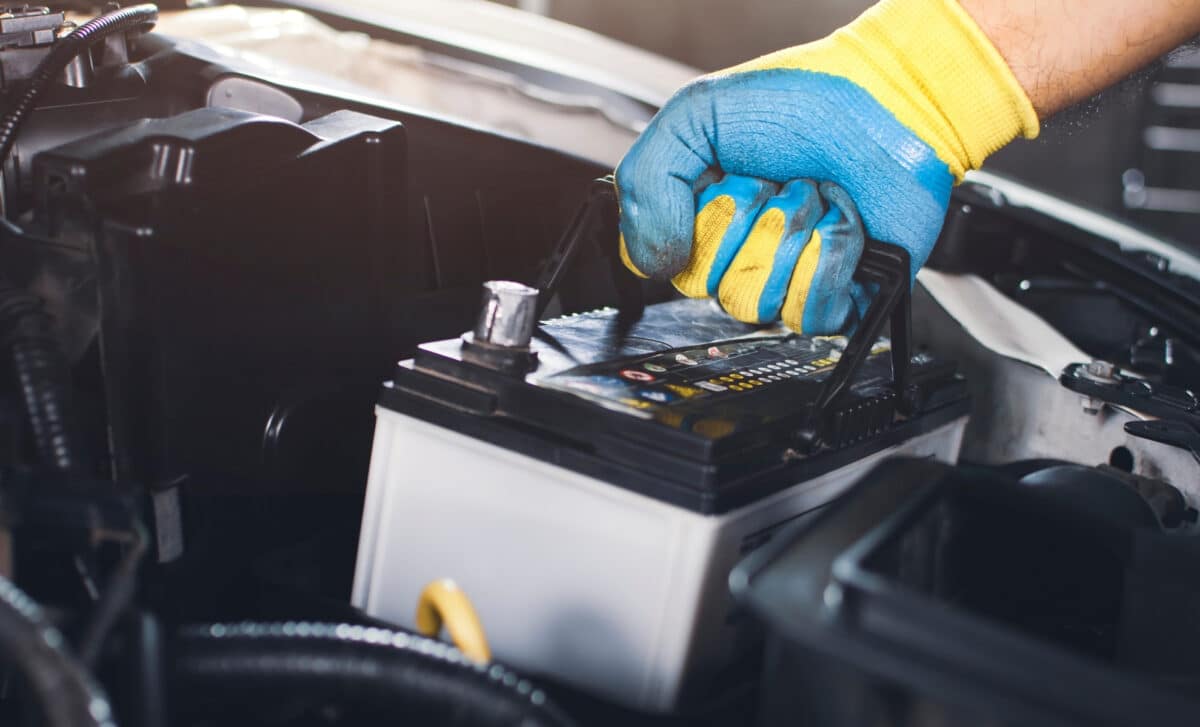
Keeping the battery clean and tightly mounted is just as important as monitoring charge levels. Buildup of dust, grease, and sulfuric acid vapors can cause corrosion at the terminals, increasing electrical resistance and making the starter motor work harder. Over time, this shortens the battery’s life.
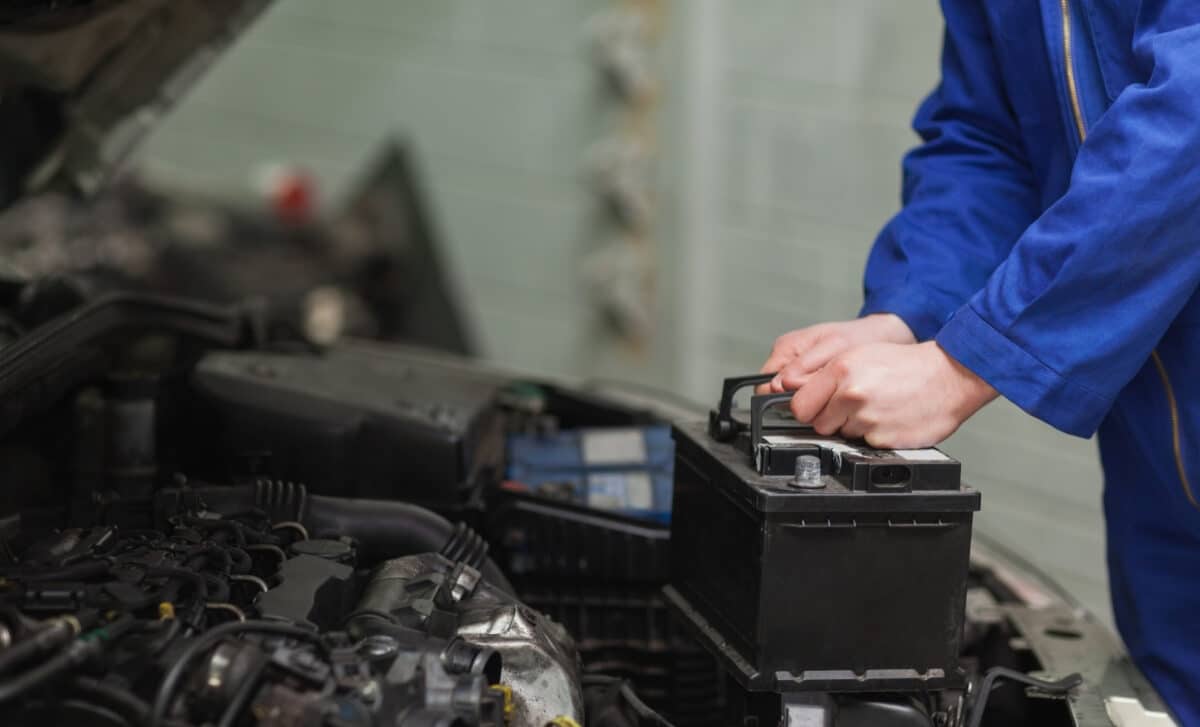
Wiping down any visible grime with a cloth and cleaning corrosion using a mix of water and baking soda is suggested. Applying a thin layer of grease afterward helps prevent future buildup. It’s also critical to check that the battery is firmly attached, vibrations from a loose battery can cause internal damage or even short circuits. Batteries over three years old should be tested annually, or more frequently depending on the vehicle’s manual.