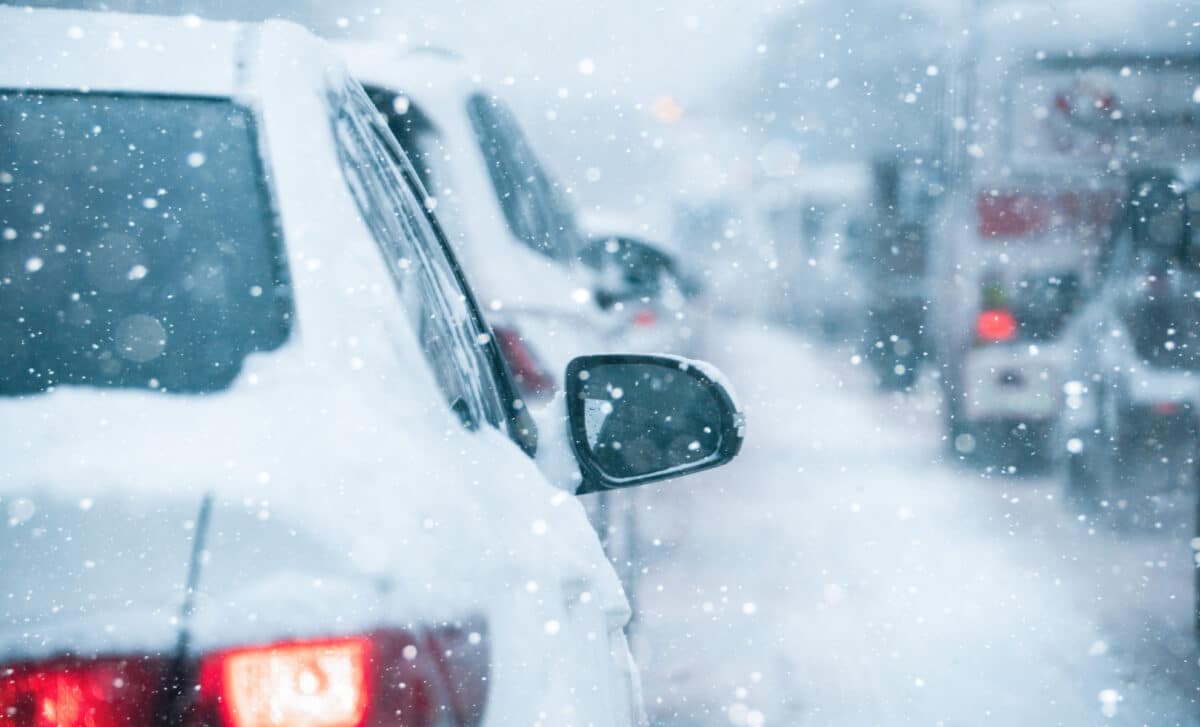
Winter conditions contribute to 17 percent of all road accidents in the United States. While snow and ice are widely acknowledged hazards, it’s the unpredictable nature of storms, poor visibility, and human misjudgment that create the most life-threatening scenarios on the road.
Dangerous winter driving is often the result of intersecting factors: lake-effect snow in the Midwest, mountain passes in Pennsylvania, extreme isolation in Alaska, and flat, open terrain in Illinois. In all five states, black ice, limited visibility, and dense traffic make winter roads deadly traps for unprepared drivers.
Michigan’s Whiteout Blizzards And Invisible Ice
Topping the list is Michigan, where winter brings intense snowstorms caused by the Great Lakes. A meteorological event known as lake-effect snow occurs when cold air moves across the warmer lake surface, pulling in moisture and dropping it inland as thick snow. The result can be sudden whiteout conditions and snow squalls that reduce visibility to less than half a mile.
Highways like I-75 and I-94 see some of the worst effects. These major routes, packed with high-speed traffic, experience repeated melting and freezing cycles during storms. As snow thaws during the day and refreezes overnight, thin, transparent layers of black ice form. This surface is nearly invisible and drastically reduces tire grip. The mix of lake-effect snow, high-density traffic, and black ice leads to frequent pileups and puts Michigan at the top of the winter danger rankings, as reported by MoneyGeek.
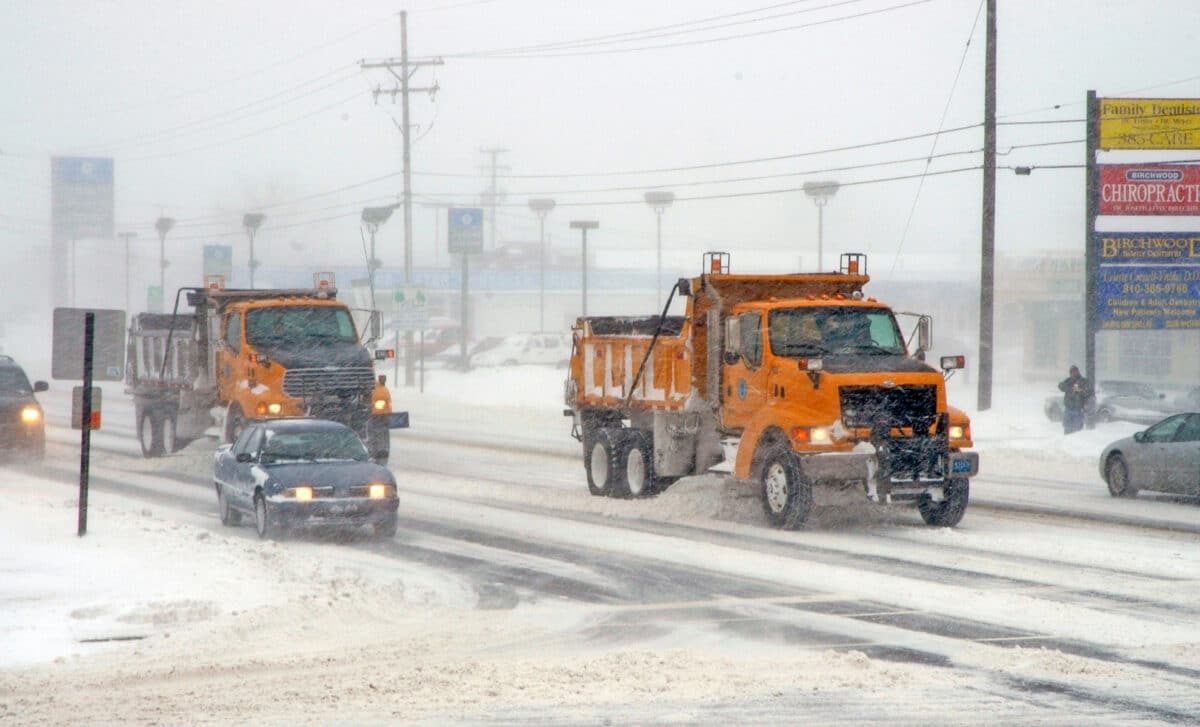
Treacherous Terrain And Traffic In Pennsylvania And Ohio
In Pennsylvania, the roads can appear safe until the Appalachian Mountains are in sight. Interstate corridors like I-80 and I-81 cut directly through the region, where sudden drops in elevation combine with abrupt changes in temperature. These conditions trigger rapid ice formation on roads and localized snow squalls, both of which create serious threats to visibility and vehicle control.
Driving through mountain passes demands more than just good tires. Failing to clear windows, mirrors, headlights, and roofs can limit visibility and create additional hazards for nearby drivers. Snow sliding off a car’s roof during braking or acceleration can cause accidents by blocking another driver’s view.
Ohio, another state hit hard in winter, is a central freight artery for the eastern U.S. Interstates I-70, I-75, I-80, and I-90 form a busy network often clogged with large trucks. Like Michigan, Ohio suffers from lake-effect snow and recurring black ice. These slippery layers form especially on overpasses and bridges, where circulating air cools road surfaces faster. Traction can disappear instantly, especially when a vehicle’s tires hit black ice at speed, resulting in a total loss of control.
Isolation And Infrastructure Risks In Alaska And Illinois
Alaska’s dangers aren’t solely due to its freezing temperatures. What makes the state so hazardous is its vast remoteness. Drivers may travel for hours on icy or gravel roads without passing another vehicle. When something goes wrong, be it a breakdown or crash, help could be hours away. Paramedic response is often delayed due to the state’s low population density and the vastness of the terrain.
Crashes in Alaska can quickly turn into survival scenarios. Drivers are advised to stay inside their vehicles unless they’re close to shelter, and to carry supplies including food, insulation, a flashlight, a shovel, and even kitty litter for traction. A blocked tailpipe can cause deadly carbon monoxide buildup, so keeping it clear is critical during extended stops in snow.
In Illinois, winter driving becomes risky for entirely different reasons. Its flat prairie landscape, combined with long, open highways like I-57 and I-80, allows strong crosswinds and snow to sweep freely across the roads. Visibility plummets, and black ice hides in plain sight. With heavy traffic and dense urban areas in the mix, collisions are more likely.
Driving behavior is also a major factor. Speeding, overcorrecting, or failing to increase following distances in icy conditions are common errors. Careful, slow driving with measured throttle and brake inputs is vital when road grip is nearly nonexistent.