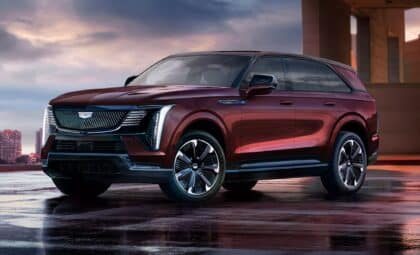
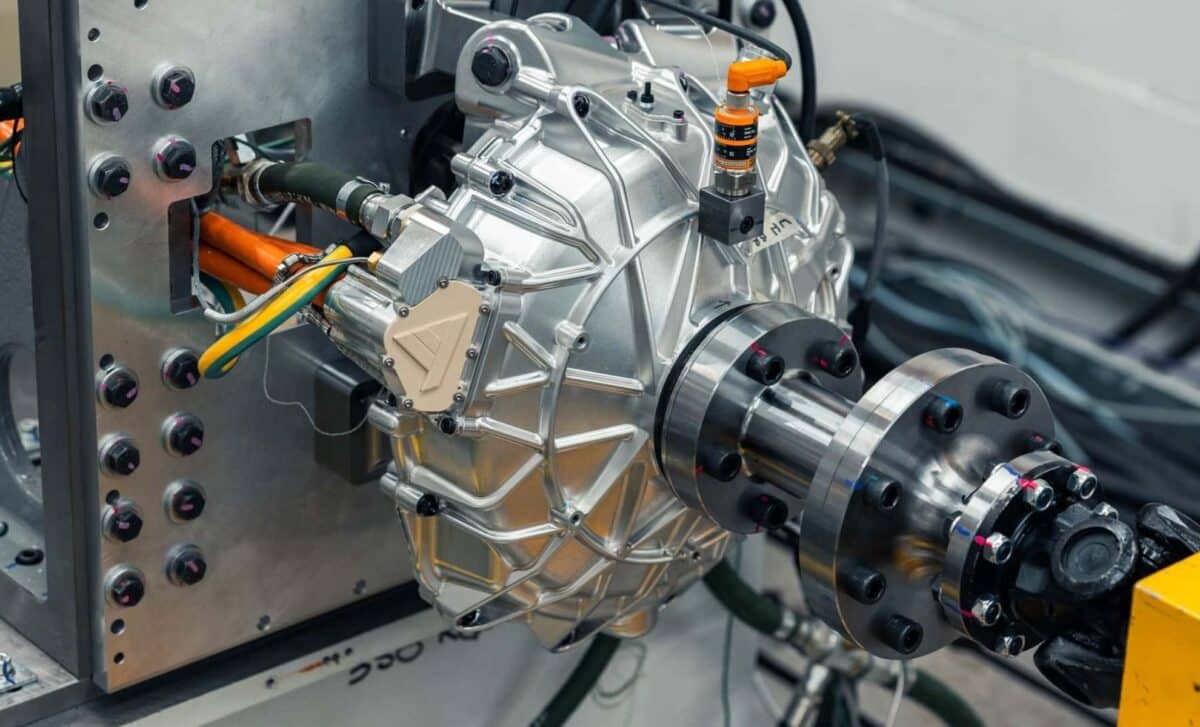
Built on its tiny, record-breaking axial flux motor, this new powertrain promises to revolutionize electric vehicle (EV) design, offering extreme performance with significant weight and space savings.
The in-wheel motor prototype, still in the testing phase, showcases impressive power output, with a continuous rated output of up to 536 horsepower (400 kW) and a peak of 1,005 horsepower (750 kW).
Yasa’s motor is expected to push the boundaries of EV technology, reducing reliance on traditional powertrains and potentially eliminating the need for drive shafts, while also improving efficiency. This innovation could significantly alter the way electric cars are built, contributing to more compact, powerful, and energy-efficient vehicles in the future.
A Powerful Leap in Motor Technology
Yasa has gained recognition for its tiny, axial flux motors, which deliver extraordinary power while maintaining a lightweight design. This technology has already been used in high-performance vehicles like the Ferrari SF90 Stradale and the Lamborghini Temprario plug-in hybrids.
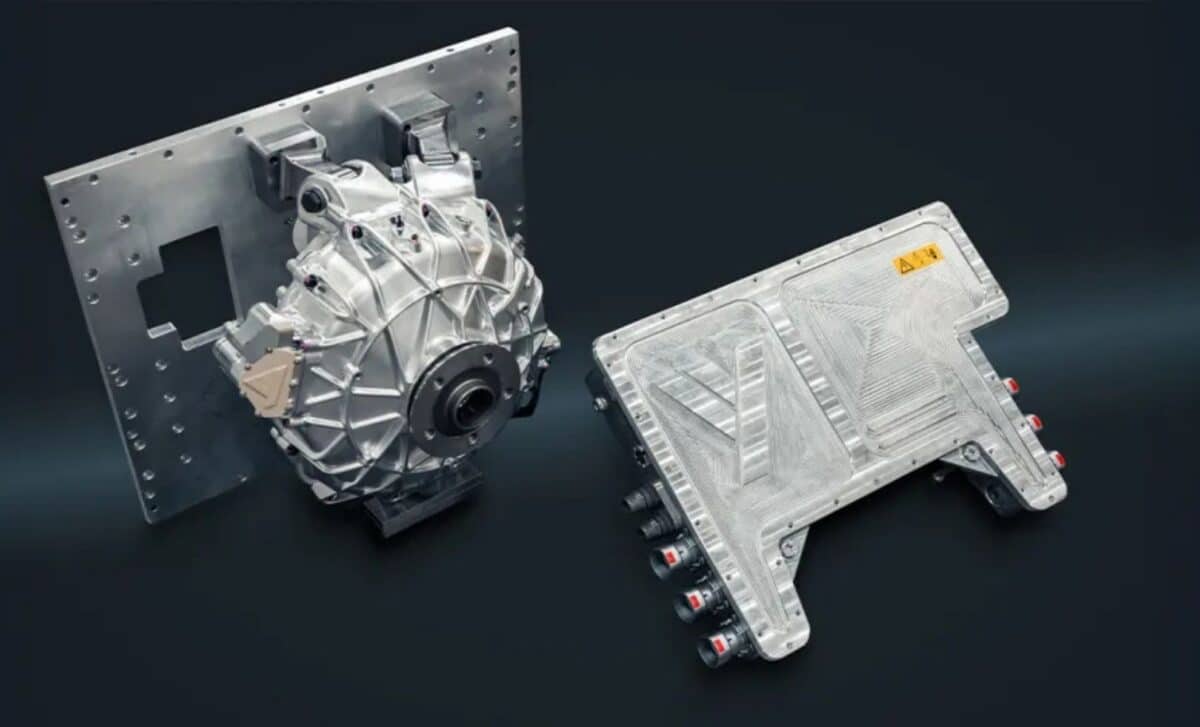
According to the company, the latest iteration of this motor in its in-wheel configuration has a peak output of 1,005 horsepower and weighs just 28 pounds (12.7 kg). The impressive performance is made possible by the axial flux design, which packs more power into a smaller, lighter motor than conventional electric motors, reports InsideEVs.
The compactness of the motor makes it a prime candidate for in-wheel use, a concept that has not yet been widely adopted despite its potential for significant space and weight savings. Yasa’s motor eliminates the need for drive shafts and reduces the number of components required for traditional drivetrains, offering an efficient solution that could bring major benefits in vehicle design. The motor’s regenerative braking capabilities, which allow it to capture energy and slow the vehicle without relying on physical brakes, further enhance its potential for future EVs.
Weight Reduction and Efficiency Gains
The benefits of in-wheel motors go beyond power output. Yasa’s technology also promises to drastically reduce the weight of electric vehicles. According to the company, adopting its in-wheel motor could shave up to 440 lbs (200 kg) off the weight of current-generation EVs by eliminating components like the drive shaft.
On ground-up designs, the reduction could be even more substantial, reaching up to 1,100 lbs. This weight reduction would not only improve the overall efficiency and range of electric vehicles but could also allow for larger batteries, further extending their driving range.
In addition to the weight savings, the motor’s advanced regenerative braking system could eventually eliminate the need for rear brakes altogether. Regenerative braking occurs when the motor operates in reverse, helping to recover energy that would otherwise be lost and converting it into electricity to recharge the vehicle’s battery. This could lead to even lighter vehicles with fewer mechanical components, which is a crucial step towards optimizing EV designs for both performance and sustainability.
A Step Toward Mass Production
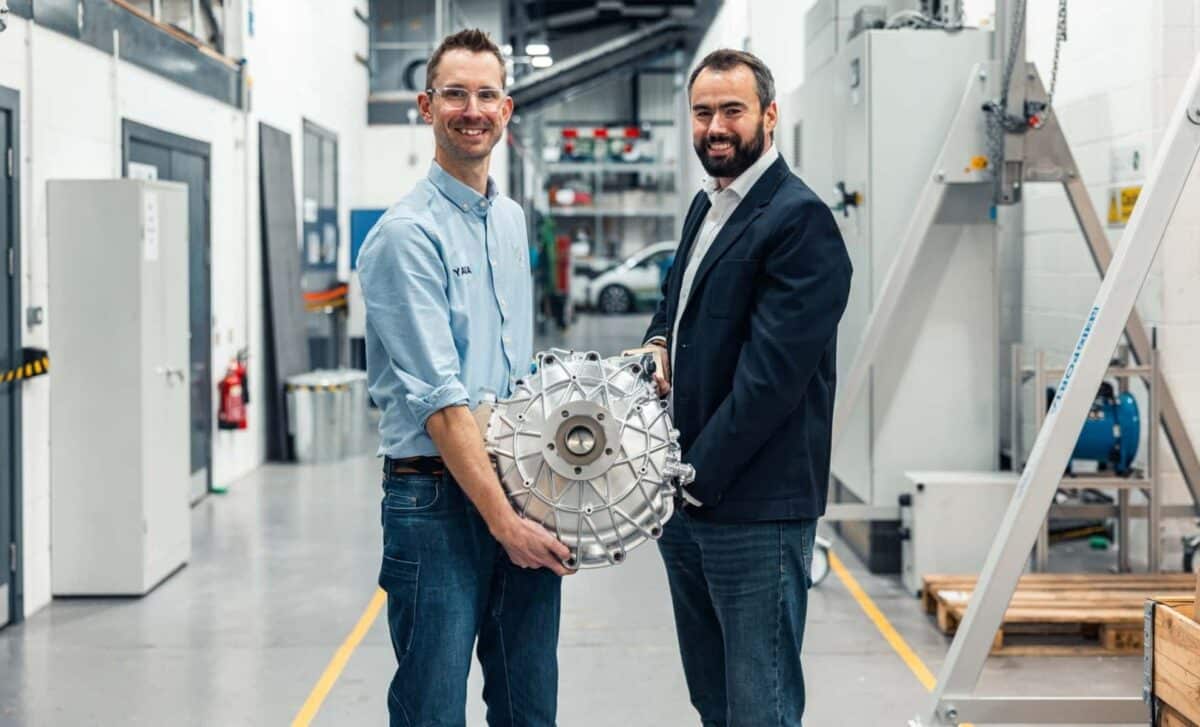
Yasa’s breakthrough in-wheel motor technology, while not yet intended for immediate mass production, is advancing through the research and development phase. The company, which became a subsidiary of Mercedes-Benz in 2021, has already made significant strides in proving the technology’s feasibility. According to Yasa, the prototype motor is currently undergoing testing at the company’s headquarters in Oxfordshire, where it is being fine-tuned for future applications.
Although the in-wheel motor is still in its early stages, the potential for this technology to change the landscape of electric vehicle manufacturing is clear. Yasa envisions this innovation playing a major role in the future of electric cars, offering manufacturers the opportunity to create lighter, more efficient, and higher-performance vehicles. The company continues to push the boundaries of what is possible with its axial flux motor technology, and its progress suggests that in-wheel powertrains could become an integral part of EV design in the years to come.