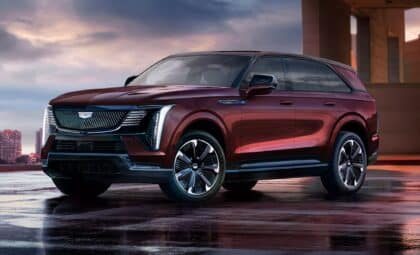
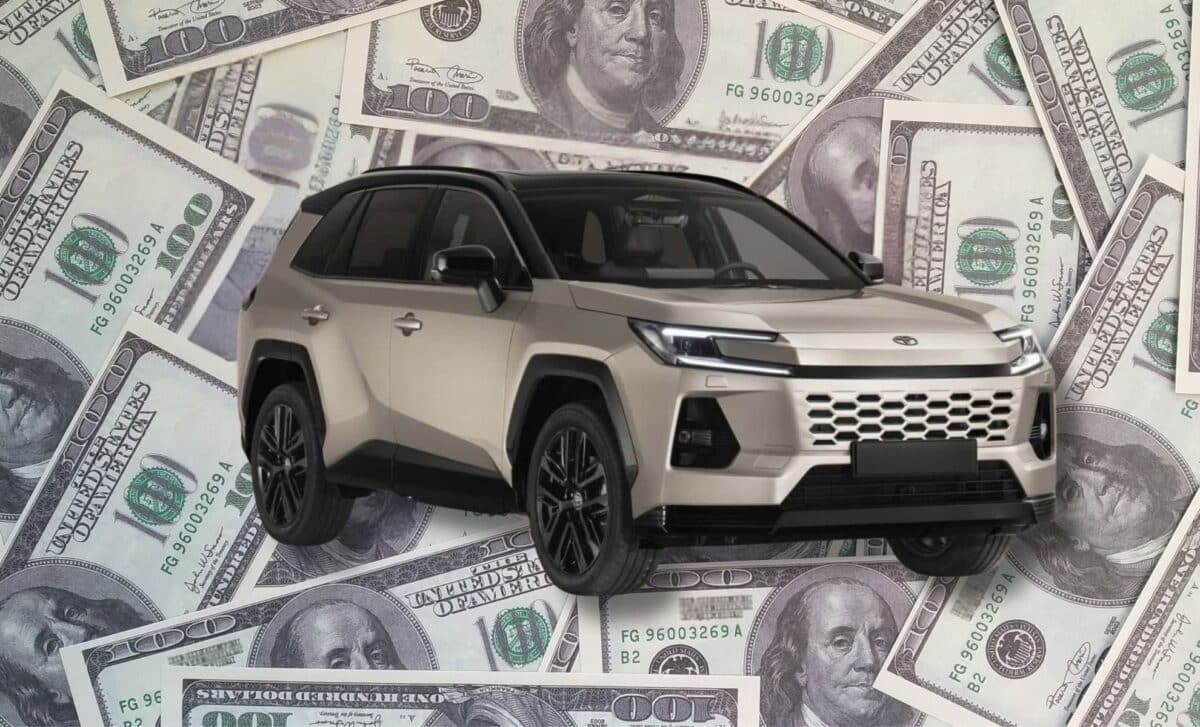
New car prices have reached record highs, with the average price now exceeding $50,000, making it increasingly difficult for many buyers to afford new vehicles. The once-affordable EVs, which benefited from the tax credit and aggressive lease deals, are no longer within reach for many consumers, exacerbating a broader trend of reduced demand for new cars.
Car prices have been climbing for years, but the pandemic and ongoing supply chain issues have exacerbated the situation. In recent years, EVs offered an affordable alternative due to government incentives, but with the removal of these incentives, the affordability of electric vehicles has diminished.
The End of the EV Tax Credit’s Impact
The removal of the $7,500 tax credit has significantly impacted the electric vehicle market. Once a key incentive, the credit helped lower the upfront cost of EVs, making them a more affordable option for many buyers. However, without these financial incentives, EVs have become less competitive.
November sales data showed a continued decline in EV sales, reflecting the broader trend. While the overall vehicle market showed a 6.3% drop in sales, electric vehicles saw the most significant decrease.
As Jessica Caldwell, executive director of insights at Edmunds, explained to Automotive News, the combination of high prices, elevated interest rates, and a lack of tax credits is pushing consumers to seek more affordable options. The removal of incentives has shifted demand away from EVs, with buyers opting for hybrid models or cheaper gasoline-powered vehicles instead.
Rising Vehicle Prices Squeeze Buyers
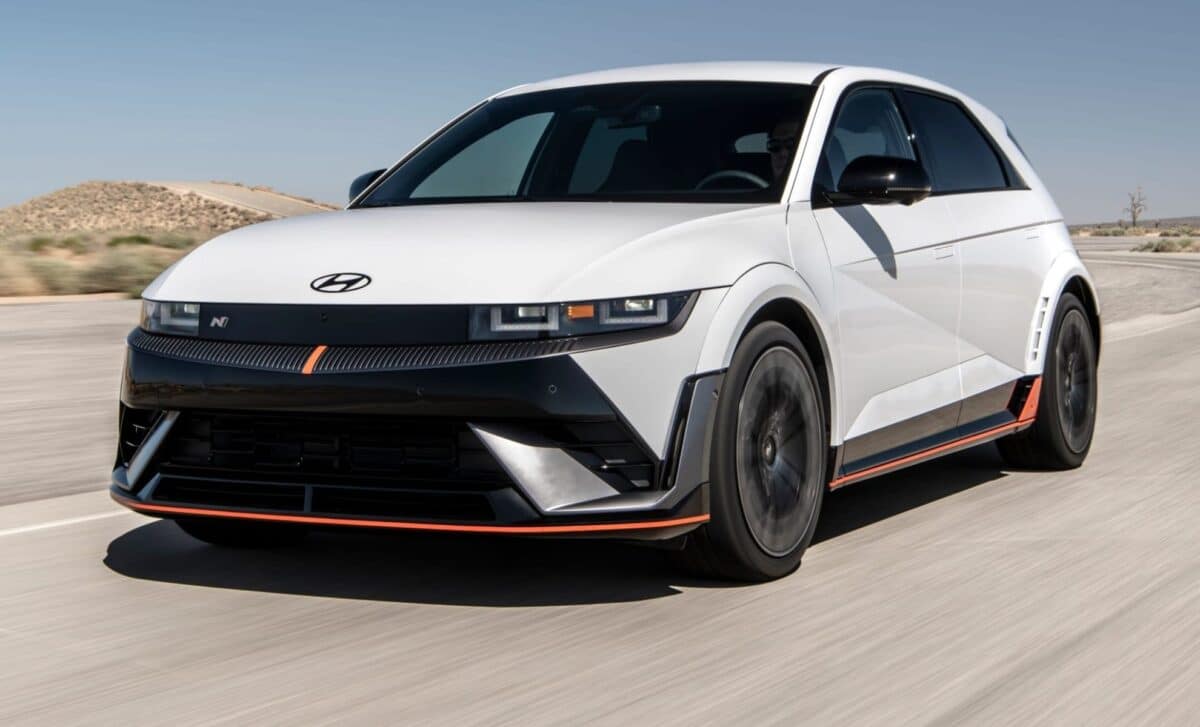
The steep rise in vehicle prices is not limited to EVs. Gas-powered trucks and SUVs, which typically dominate the market, have also become less affordable for many consumers. Ford’s recent sales report shows that sales of its utility vehicles dropped by 4.9%, while sales of entry-level trims on models like the Maverick and Ranger surged by double digits. This indicates that consumers are becoming more focused on affordability, with a shift toward lower-priced models despite the overall high cost of new cars.
Honda, too, reported a decline in sales, with total sales dropping by 15% in November. The company attributed some of the decline to global semiconductor shortages, which have affected production and inventories. As of November, Honda’s stock of vehicles was down to just over 145,000 models, a significant drop from the previous month. This reduction in supply, combined with high prices, has made it more challenging for consumers to find affordable new vehicles, reports InsideEVs.
EVs Are the Hardest Hit
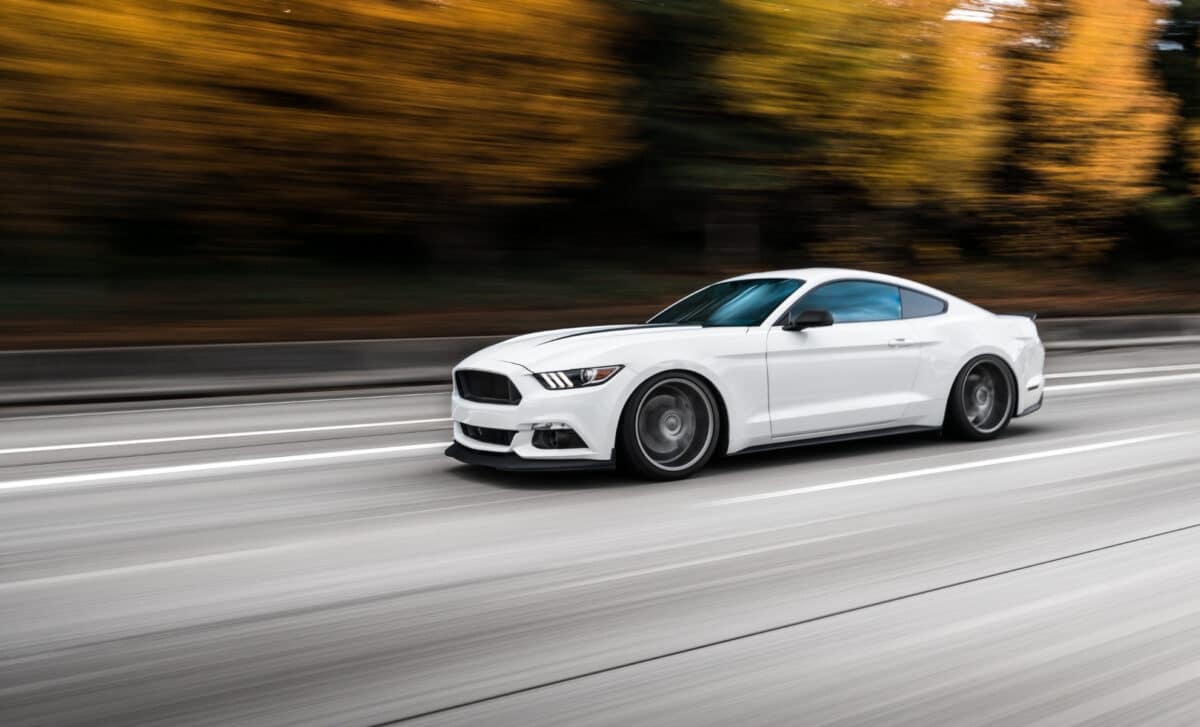
Electric vehicles have borne the brunt of the sales downturn, as the absence of tax incentives makes them even more expensive. The Chevy Bolt, Nissan Leaf, and other previously affordable EVs have seen significant sales declines in recent months. Meanwhile, hybrid models, which offer a more traditional driving experience, have gained some traction, though they, too, are affected by the overall rise in vehicle prices.
With prices for new vehicles continuing to climb, many consumers are choosing to hold on to their older cars for longer or are turning to used vehicles, which, despite their own price increases, are still more affordable than new cars. While holiday deals may offer temporary relief, the long-term outlook remains uncertain, with consumers facing increasingly difficult choices in the face of high prices and limited incentives.