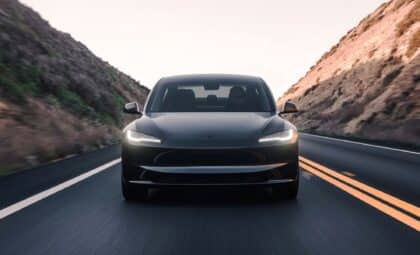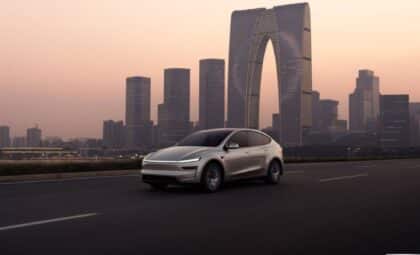

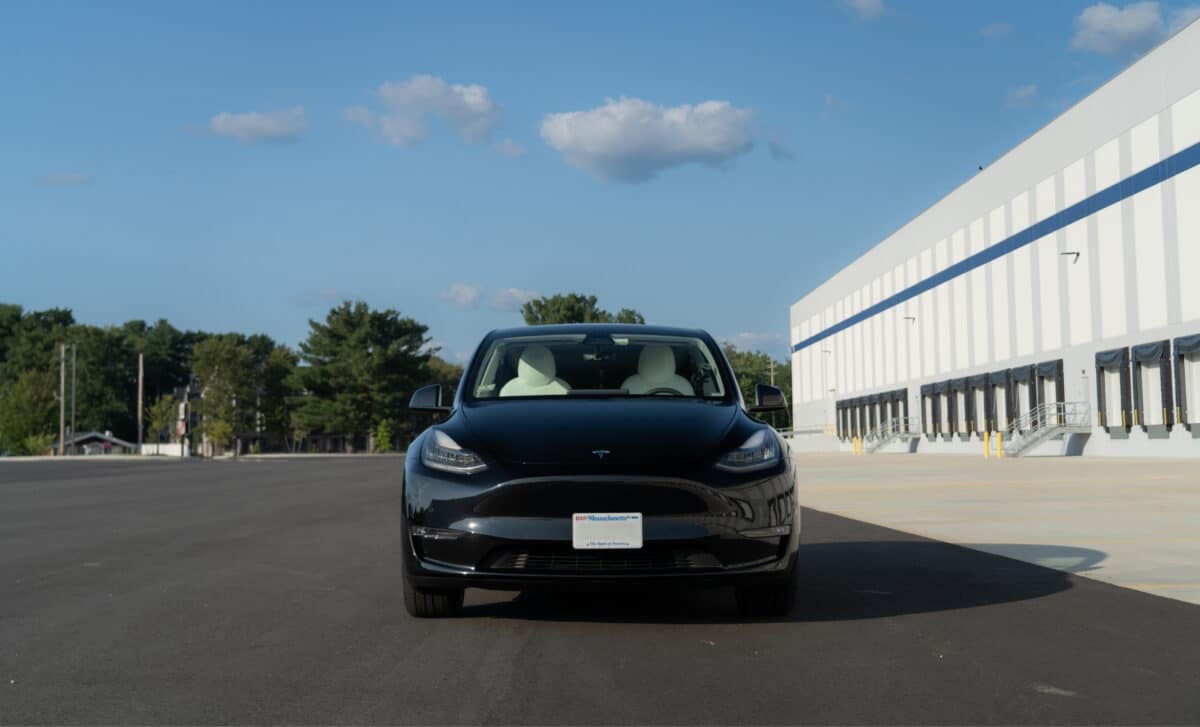
The Tesla Model Y, which has been the king of electric SUVs since its launch in 2020, became the world’s best-selling vehicle across all energy types in 2024. Its success is largely due to its impressive balance of price, performance, and range.
However, as competitors catch up with their own advanced models, the market is seeing a shift. For consumers who aren’t keen on Tesla for various reasons—whether it’s corporate leadership or brand preferences—these five alternatives offer worthy replacements.
BMW iX3: A Premium, High-Tech Choice
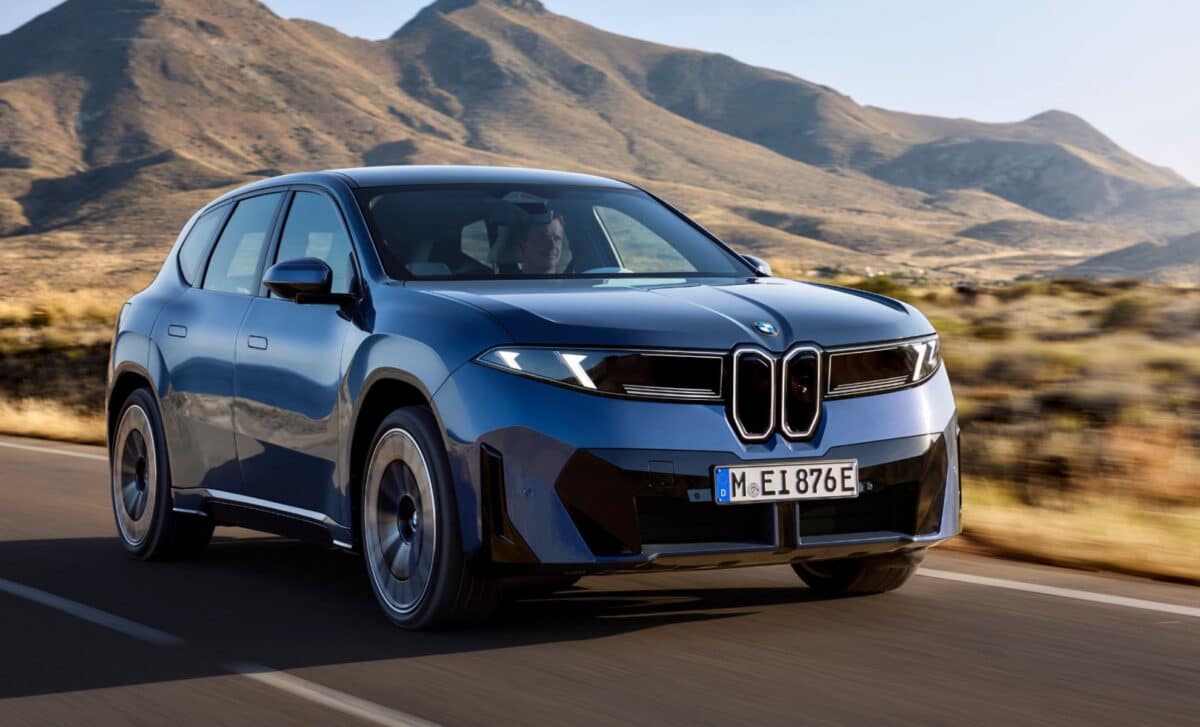
The BMW iX3, launched in 2025, positions itself as a premium alternative to the Tesla Model Y, offering cutting-edge technology and an impressive 805 km of range. The iX3 uses 800V architecture, which allows it to charge from 10% to 80% in just 21 minutes—considerably faster than the Model Y.
With a price tag starting at $77,000, the iX3 is not for everyone, but it delivers high-end features such as a refined interior and a panoramic display. The iX3 also boasts up to 470 hp and accelerates from 0 to 100 km/h in 4.9 seconds. For those looking for a more luxurious ride, the iX3 offers a compelling option, albeit at a higher cost.
Mercedes GLC EQ: A Stylish and Luxurious Alternative
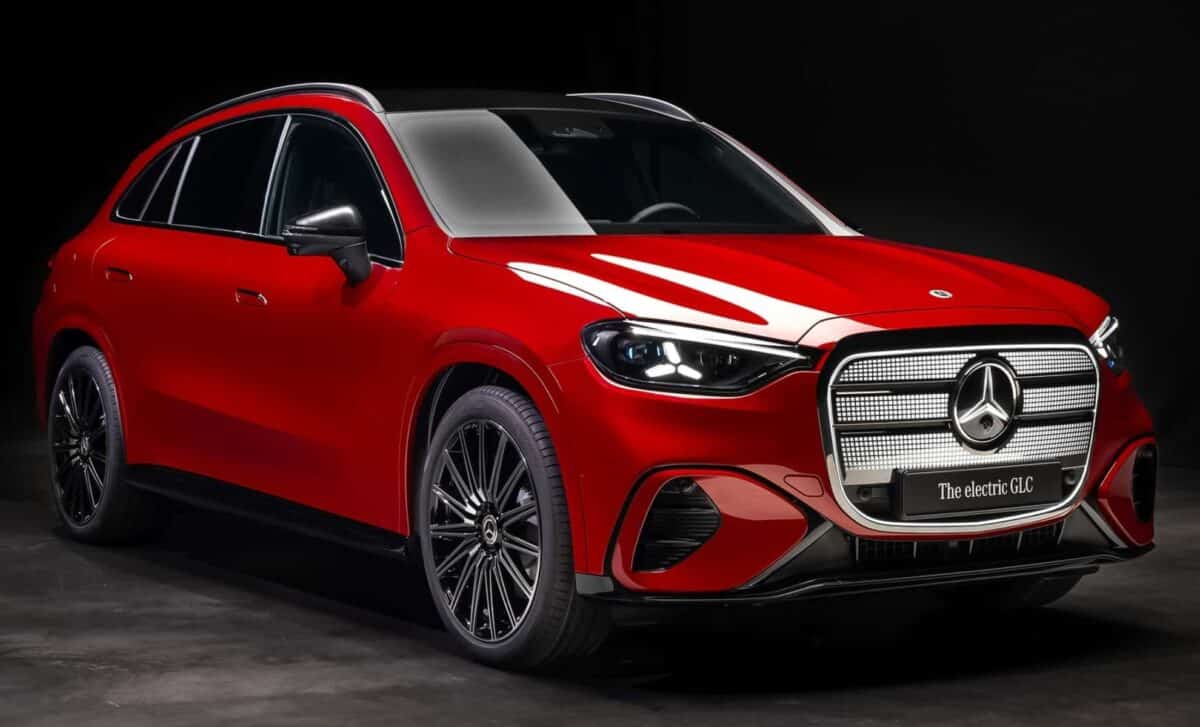
Mercedes’ GLC EQ, which replaced the EQC in 2023, provides a premium alternative for those seeking luxury in their electric SUV. With an impressive 713 km of range and 800V architecture for fast charging (taking only 22 minutes to charge from 10% to 80%), the GLC EQ combines performance with sophistication.
The GLC EQ’s unique illuminated grille, featuring 942 LEDs, is a standout design feature that distinguishes it from other electric SUVs. Priced at an undisclosed amount, the GLC EQ packs 490 hp and accelerates from 0 to 100 km/h in 4.3 seconds. Its well-appointed interior and cutting-edge technology make it a serious rival to the Model Y, particularly for those who want a more luxurious driving experience.
Smart #5: A Compact, Fast-Charging Option
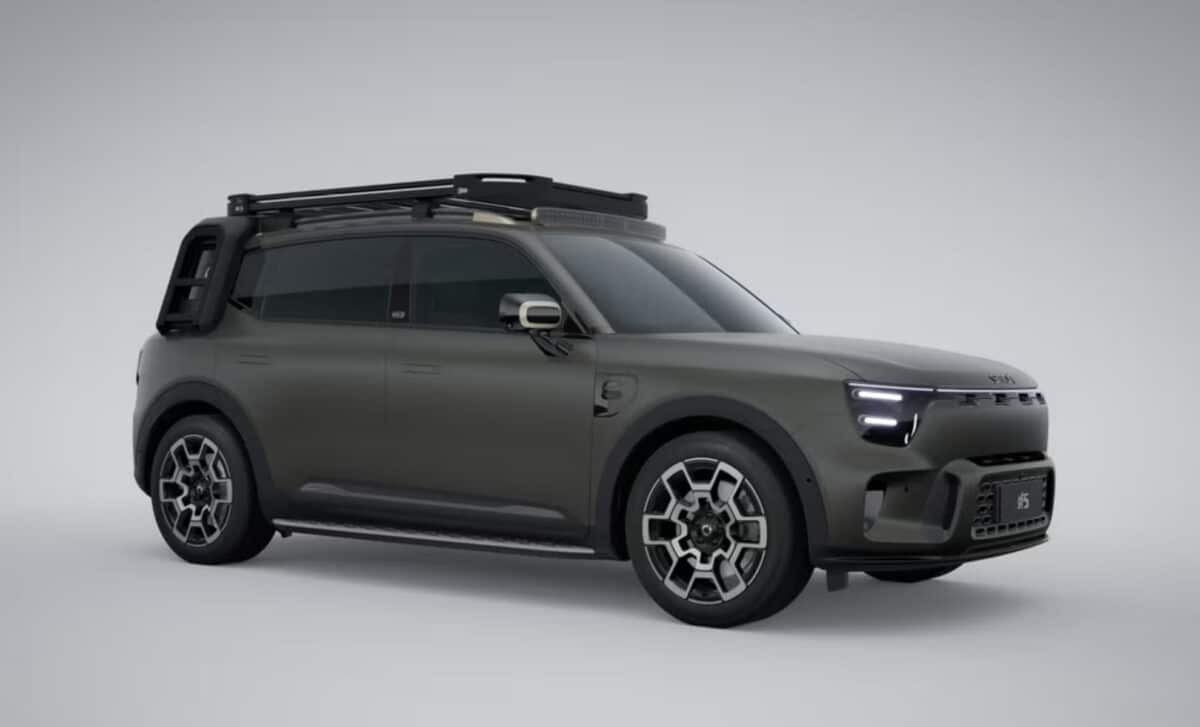
For those interested in a compact SUV, Smart’s #5 provides a stylish and efficient alternative to the Model Y. The Smart #5 features a bold cuboid design and offers rapid charging, with 10% to 80% charging completed in just 18 minutes, which outpaces the Model Y’s charging speed.
The Smart #5’s range is slightly shorter, at 465 to 590 km depending on the version, but it makes up for that with its powerful performance. The Brabus version, for example, can deliver up to 646 hp, accelerating from 0 to 100 km/h in 3.8 seconds. Starting at $50,300, the Smart #5 is a strong contender for those who prioritize efficiency, design, and charging speed in a smaller package.
Xpeng G6: The Charging Speed Champion
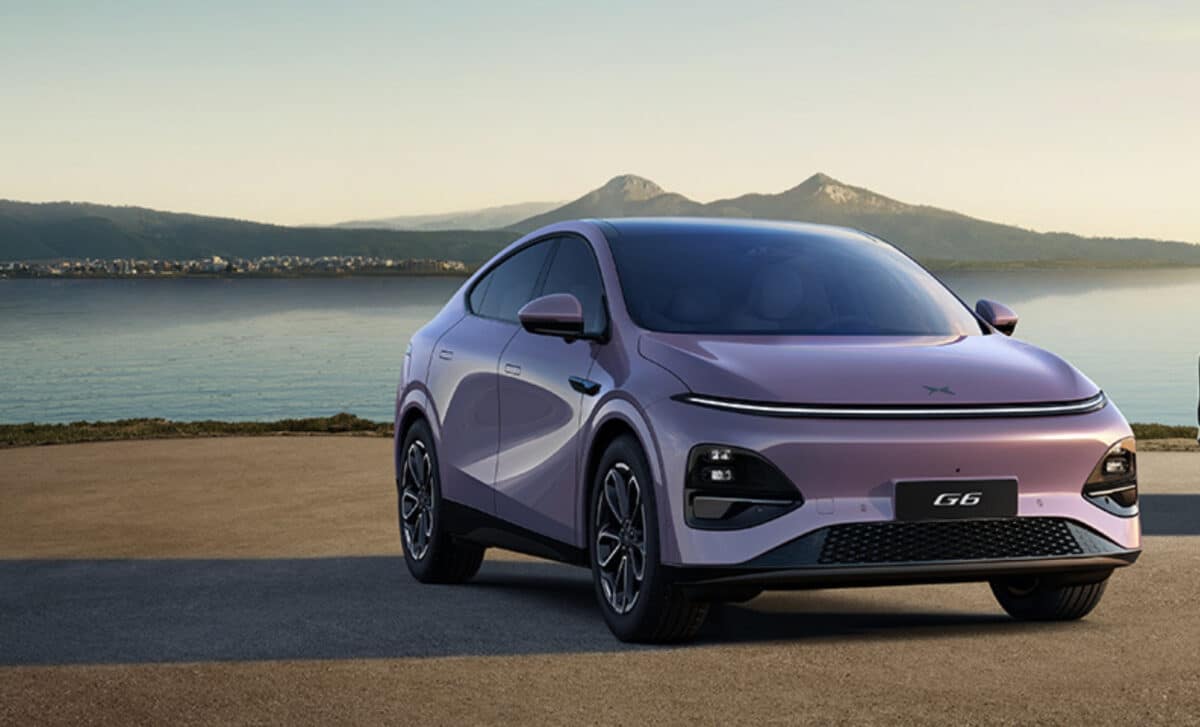
The Xpeng G6 is another alternative that excels in one key area: charging speed. The G6 charges from 10% to 80% in a lightning-fast 12 minutes, thanks to its 800V architecture. While its range of 440 to 535 km doesn’t quite match that of the Model Y, the G6’s fast-charging capabilities make it highly appealing for drivers on the go.
Equipped with features like a large touchscreen, massaging seats, and autopilot, the Xpeng G6 offers a tech-savvy experience. With a starting price of $50,700, the G6 is a competitive choice for those who value charging speed and technology over range.
Peugeot E-3008: The French Contender
For those who prefer a French option, the Peugeot E-3008 is a solid rival to the Tesla Model Y. Offering a range of up to 701 km, the E-3008 is equipped with various motor configurations, including a 325 hp all-wheel-drive option.
Although its software lags behind Tesla’s intuitive interface, the E-3008 still provides a solid driving experience, with the 325 hp version accelerating from 0 to 100 km/h in 6.0 seconds. Priced from $48,500, the E-3008 is a more affordable alternative to premium models like the iX3 and GLC EQ, offering good value for those who want a reliable, French-made electric SUV.