
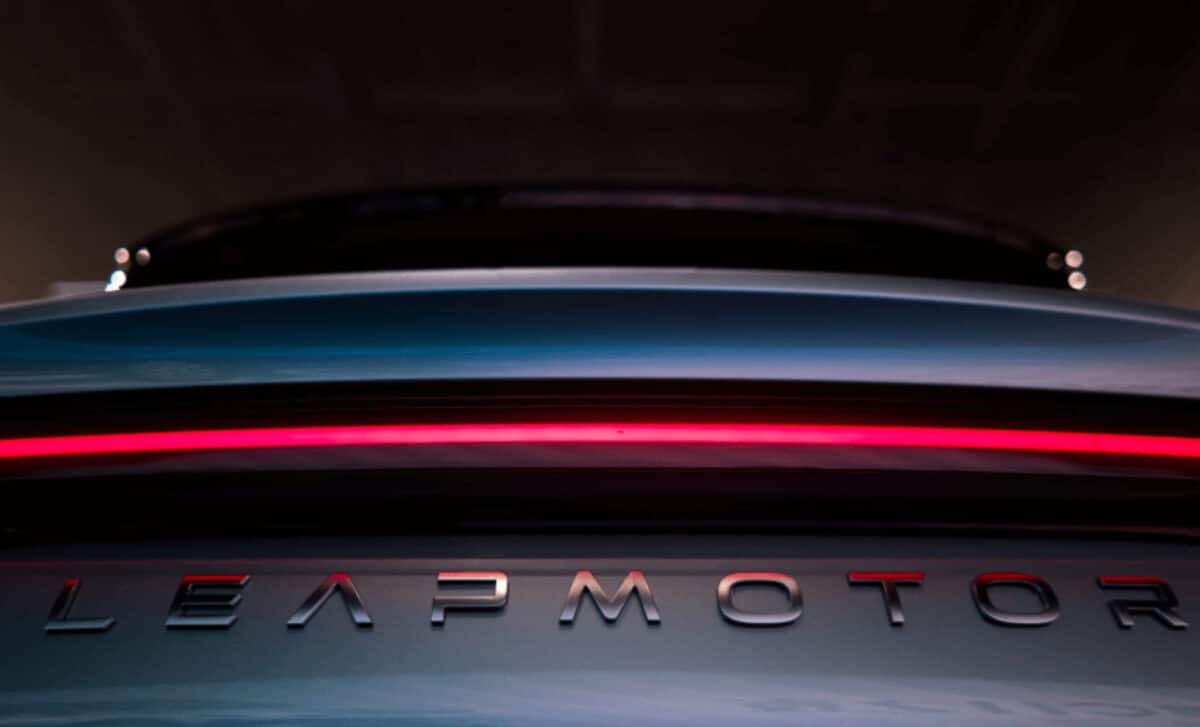
Despite widespread concerns in Europe over the rise of Chinese electric vehicles, Leapmotor, a brand now partnered with Stellantis, will be the first to integrate this German innovation into its hybrid SUV.
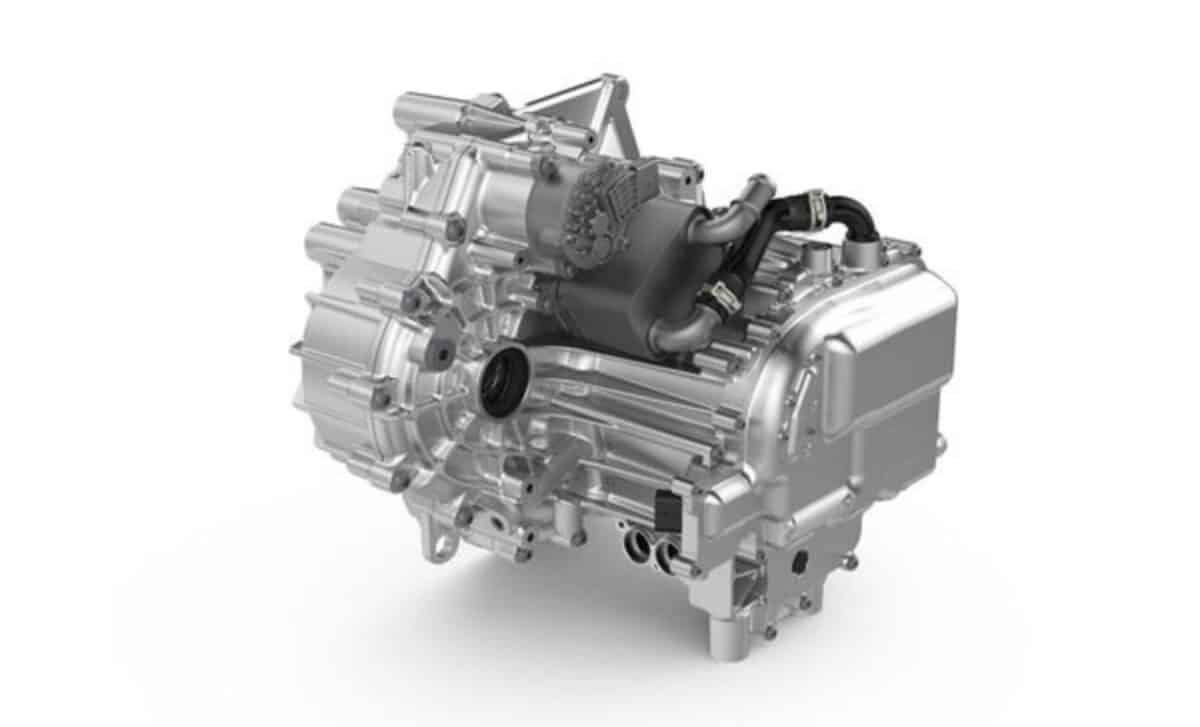
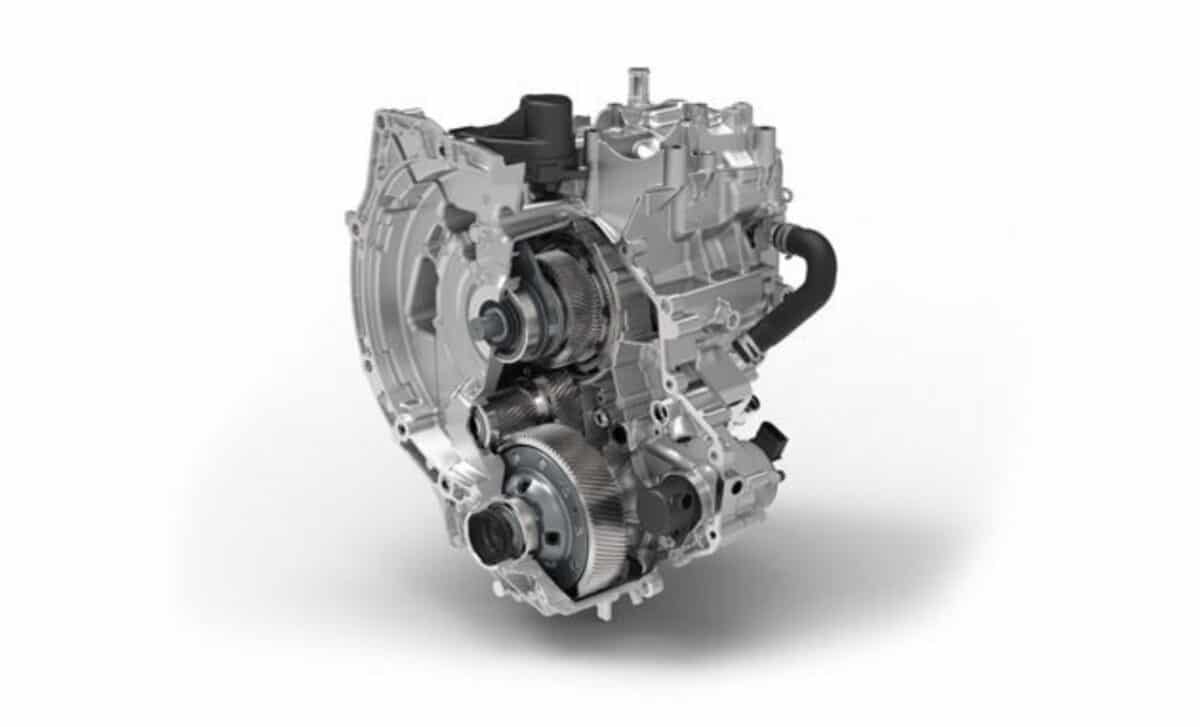
The D19, an enormous 724-horsepower plug-in hybrid SUV, marks the debut of ZF‘s eRE+ system, a compact, all-in-one solution designed to transform electric vehicles into plug-in hybrids. This collaboration reflects a paradox in the current automotive landscape: while German industry leaders voice concerns about growing Chinese competition, they continue to enable it through technology transfers.
The timing of this announcement is striking. Just as the European Union prepares to unveil its long-awaited automotive roadmap — delayed by about a week — ZF is moving forward with Chinese partnerships that may ultimately bring more hybrid vehicles into the European market. The eRE+ system, described as a compact combustion engine range extender, can be directly connected to the crankshaft of any thermal engine. This setup enables manufacturers to hybridize existing electric models without redesigning the entire powertrain.
Leapmotor Becomes First Adopter of ZF’s Ere+ Technology
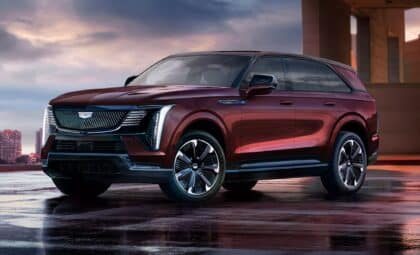
Leapmotor’s new D19 SUV will be the first vehicle to feature ZF’s advanced eRE+ range-extender system, a milestone for both companies. This model, aimed at the luxury segment, will offer both full-electric and extended-range hybrid versions. The latter will integrate ZF’s system, capable of providing mechanical drive to the wheels via a clutch and differential, in addition to generating electricity when the battery is depleted.
According to ZF, the eRE+ can also enhance driving dynamics. “Manufacturers can now offer attractive features such as an on-demand all-wheel-drive system or additional power boost for overtaking,” the company said. The electric motor itself can deliver up to 271 horsepower in peak output, when engaged in wheel propulsion.
The D19 is not intended for mass-market adoption. Stretching 5.20 meters in length and equipped with a battery exceeding 110 kWh, it targets a niche demographic looking for performance and range. This strategy aligns with China’s ambition to demonstrate its capabilities in high-end automotive technology.
German Tech, Chinese Market, European Loopholes
Although extended-range electric vehicles (EREVs) are already widely available in China, Leapmotor’s decision to adopt ZF’s European-made system underscores a tactical pivot. Chinese automakers are facing increasing restrictions abroad. Exporting electric vehicles to Europe now involves tariffs, and access to the US market is essentially blocked. In response, many Chinese brands are shifting their focus to plug-in hybrids, which currently face fewer import penalties.
This approach could allow models like the D19 to enter the European market more easily. Since the eRE+ can power the wheels directly via its combustion engine, such vehicles might be classified as hybrids rather than full EVs. This classification could shield them from the higher customs duties applied to pure electric imports.
The potential alignment of EU regulations with hybrid-friendly standards—possibly extending combustion engine authorizations through 2040, as some rumors suggest—adds another layer of opportunity for this type of vehicle. Though not confirmed for the European market yet, the D19 could become a loophole product, skirting restrictions that were originally designed to curb Chinese EV imports.
Business Before Borders: A Contradiction In Motion
ZF’s deal with Leapmotor is emblematic of the complex, and sometimes contradictory, relationships forming in the global automotive industry. While German stakeholders have expressed concern over the rapid expansion of Chinese manufacturers — particularly in electric mobility — commercial imperatives are leading to deeper cooperation between the two.
This contradiction: German firms selling critical technologies to competitors they publicly fear. As one passage puts it, “Business is business,” and strategic interests often override political or industrial anxieties.
At a time when European policymakers are discussing future automotive strategy and emission regulations, companies like ZF are already shaping the next phase of the hybrid vehicle market. Meanwhile, Chinese manufacturers, often portrayed as a threat to domestic carmakers, are quickly absorbing and deploying foreign innovations to strengthen their position globally.