
As winter settles in, preparing your vehicle becomes more than a routine task, it’s a safety measure. Freezing rain and snowstorms often strike without warning, and unprepared drivers risk being stranded or facing costly repairs. Early maintenance steps reduce these risks significantly, ensuring drivers stay safe even as conditions worsen.
Every part of a vehicle reacts differently to cold. Batteries lose strength, fluids can thicken or freeze, tires lose pressure, and salt damages the body. But with a few adjustments and the right tools, drivers can avoid many of the season’s most common problems. Whether you drive through months of heavy snow or face the occasional frost, the right preparation helps your car handle winter’s worst.
Clearing Snow, Maintaining Visibility and Avoiding Corrosion
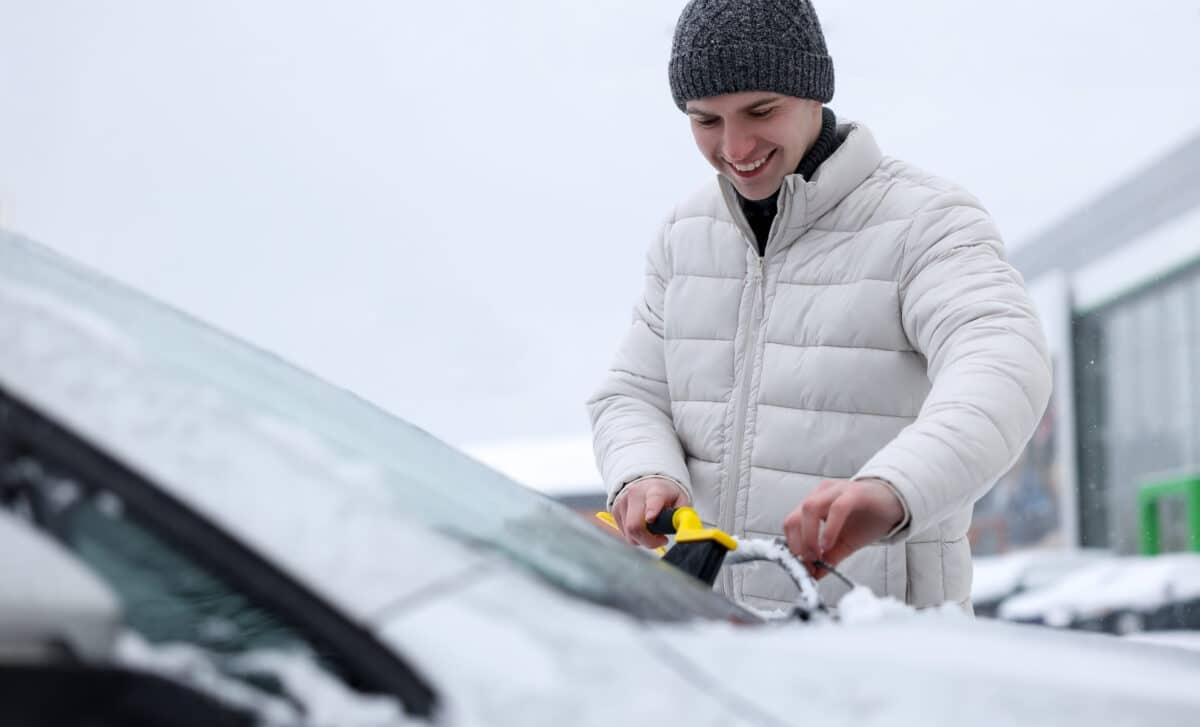
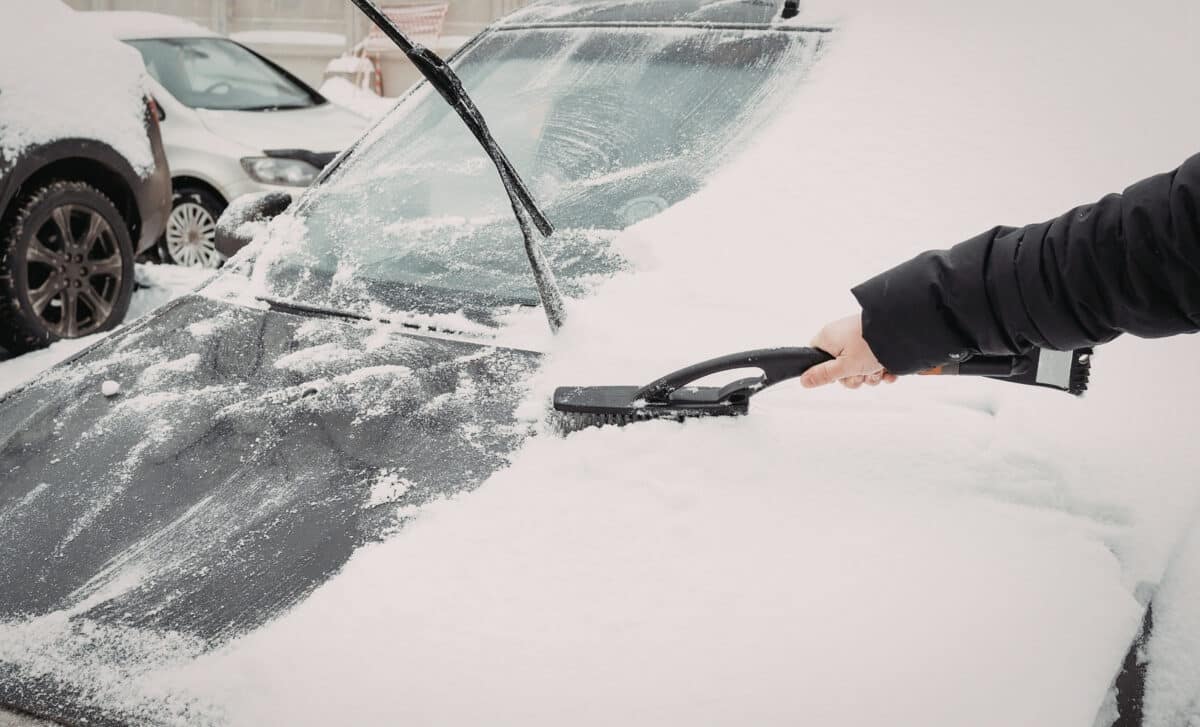
Drivers without covered parking face one of winter’s most visible inconveniences: frozen windshields and snow-covered cars. The first step is to start the car, switch on the defroster, and let it warm up for a few minutes. Using a windshield cover before a storm makes the process easier by keeping the glass clear underneath the snow.
Worn-out windshield wipers are a serious hazard. If they leave streaks, skip across the surface, or make chattering sounds, they need to be replaced. Most auto parts stores install new blades for free with purchase. Pairing fresh wipers with winter-specific washer fluid ensures better visibility, since regular fluid can freeze on the windshield during low temperatures.
Winter driving also exposes vehicles to salt and slush, which can corrode paint and damage the undercarriage. While regular car washes help prevent buildup, it’s best to avoid them when temperatures drop below 32°F; water can freeze on locks or door handles. When washing in cold weather, drying the vehicle with a microfiber cloth helps prevent ice-related issues.
Protecting the Battery and Managing Engine Fluids
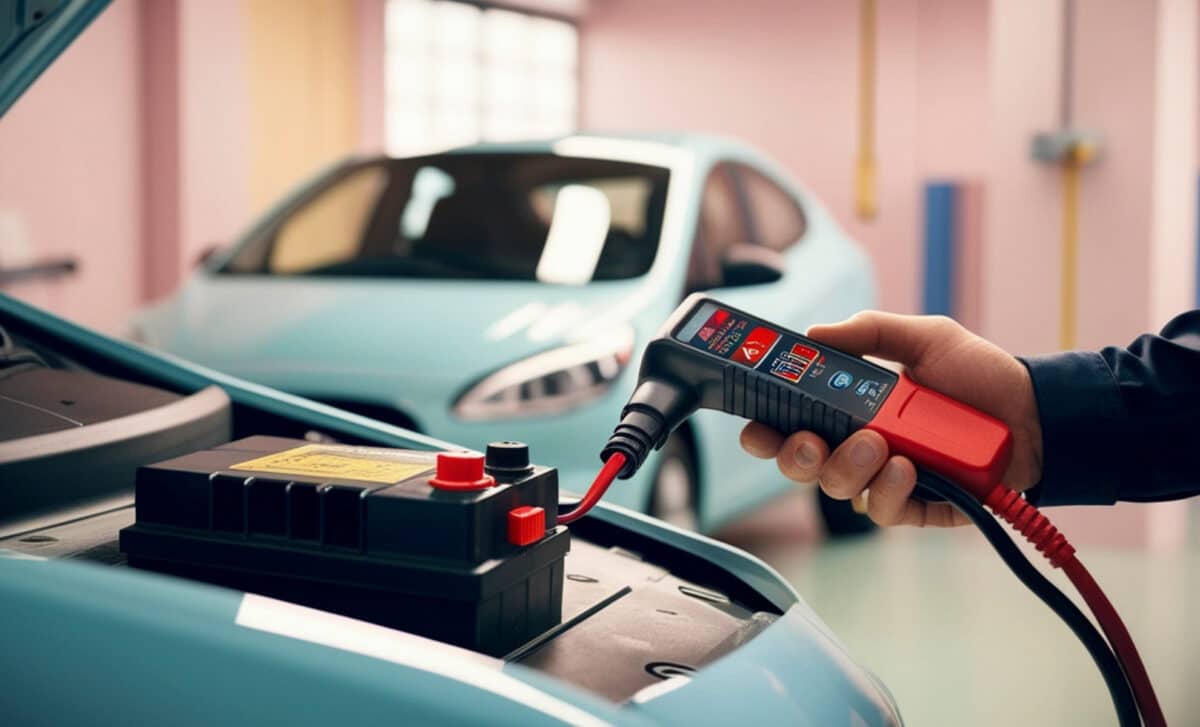
Car batteries take a major hit during cold weather, losing charge more quickly and sometimes failing to start the engine. Keeping jumper cables in the trunk is a good precaution, but portable jump starters offer even more reliability, especially for solo drivers. These compact tools can start a dead battery without needing another vehicle.
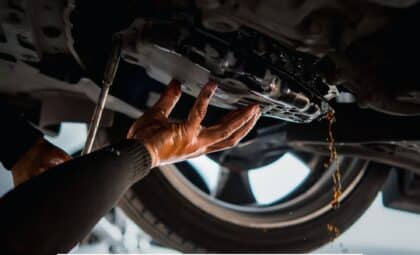
Under the hood, fluids are another potential weakness. Coolant levels must be checked regularly to prevent engine freezing. Other fluids like engine oil, transmission fluid, and washer fluid can thicken or absorb moisture in the cold. Topping off low fluids and using winter-rated washer fluid ensures better performance in freezing conditions.
Even with a fully charged battery and topped-off fluids, engine issues can arise. Cold starts put more strain on the system, and regular maintenance is key to avoiding wear. Inspecting under the hood before temperatures drop helps catch potential problems early, before they become costly repairs on a freezing morning.
Tires, Pressure Checks and Emergency Gear
Freezing temperatures affect tire pressure almost immediately, leading to underinflated tires that reduce control and increase stopping distances. Drivers should check their tire pressure frequently and inflate as needed throughout the winter months. For regions with regular snow or ice, switching to winter tires can significantly improve traction.
Winter tires aren’t just about grip. They also reduce braking distances and handle better on icy surfaces. Tire manufacturers recommend rotating tires every 4,000 to 8,000 miles and balancing them during each rotation to ensure even wear and longer life. Maintaining proper tire care is one of the simplest ways to improve winter driving safety.

Even well-prepared vehicles can run into trouble. That’s why experts advise keeping a kit with emergency essentials: a first aid kit, seat belt cutter, window breaker, tire iron, and neon safety vest. For extremely cold climates, an engine block heater is also worth considering. It warms the engine before starting and helps prevent cold-start issues on bitter mornings.