
Tesla has acknowledged the issue internally and confirmed that “wiper performance is under active Engineering investigation.” Complaints have spread widely on social media, with videos showing partially cleared windshields during snowstorms. The situation is highlighting not just a design problem, but a potential safety risk.
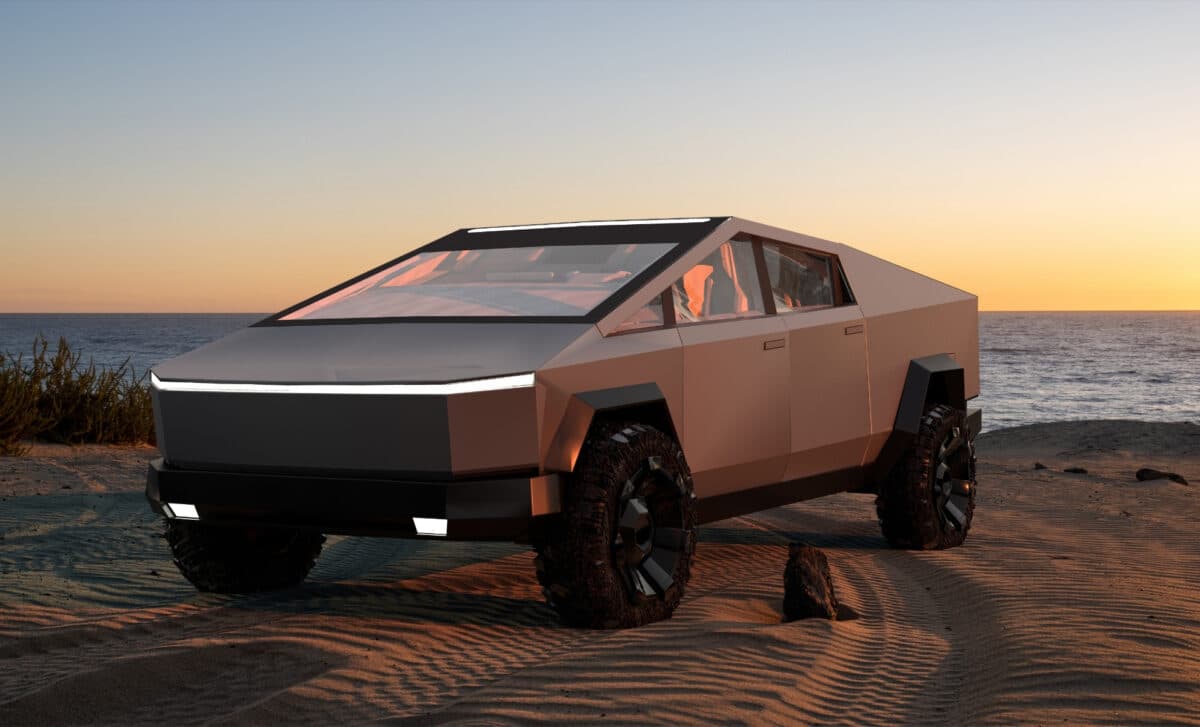
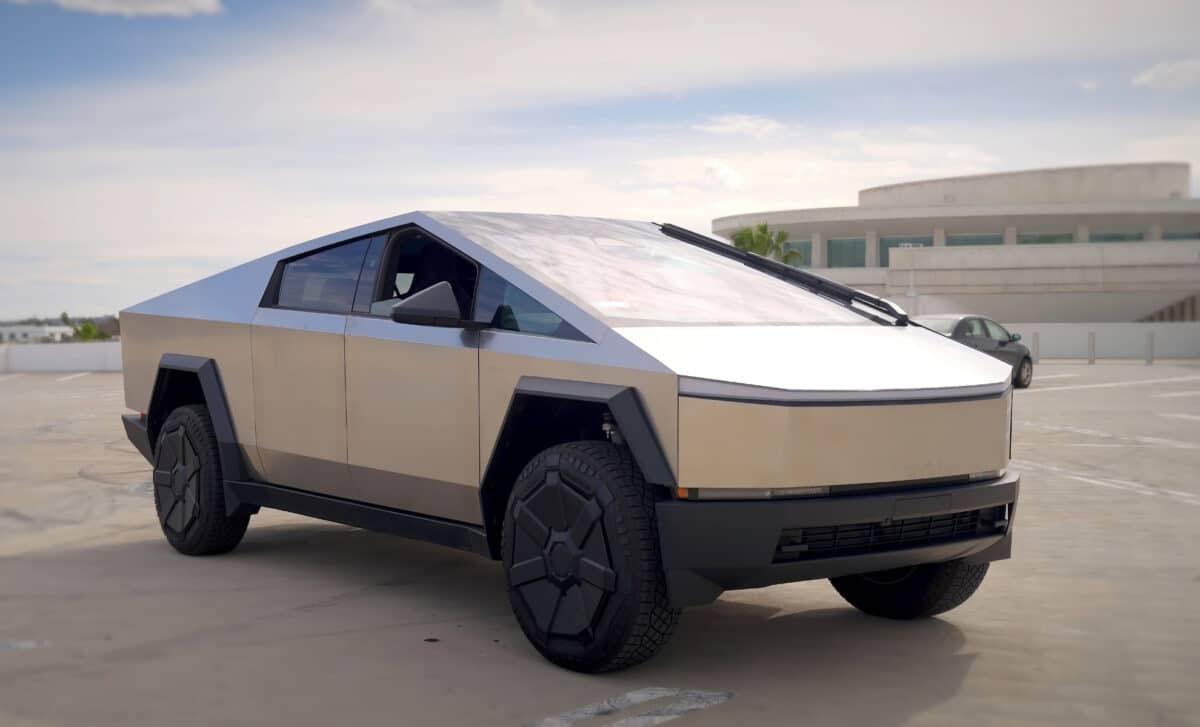
The Cybertruck has been under scrutiny since its debut two years ago, and the wiper has always stood out, literally. From the earliest prototype sightings, the single massive blade spanning nearly four feet drew attention. Tesla pitched it as both a futuristic aesthetic element and a smart engineering solution. But as owners confront harsh winter conditions, the design is showing its limitations.
The flaw is more than cosmetic. Owners report poor visibility due to snow and slush buildup, uneven pressure across the windshield, and blind spots that aren’t cleared properly. The effect is amplified in freezing rain and low temperatures, turning everyday driving into a frustrating, and sometimes risky, experience.
Coverage Fails Under Snow, Slush, and Ice
The Cybertruck’s single wiper blade was meant to provide broad, uninterrupted coverage with a single sweeping motion. But in practice, it fails to deliver consistent performance. Drivers have shared that the wiper doesn’t maintain even contact with the glass, particularly around the center and top of the arc.
Snow, slush, and road grime build up quickly, and the blade struggles to remove it all. Streaks and uncleared patches appear across the windshield, impairing visibility. The problems are worse in freezing conditions, where ice buildup further reduces the blade’s effectiveness.
At highway speeds, the blade often doesn’t rest properly, creating additional issues for drivers. Washer-fluid distribution is also inconsistent, an annoyance in warm weather that becomes a more serious concern when snow and dirt obscure the view in winter. These are not isolated cases but common experiences for Cybertruck owners during cold-weather driving.
Impact on Self-Driving Systems Raises Concerns
More worrying are claims that the wiper’s performance affects Tesla’s Full Self-Driving system. Some owners have noted that the single blade sometimes fails to clear the section of the windshield in front of the vehicle’s autonomous cameras. This reduces visibility not only for the driver but also for the vehicle’s software systems.
Social media users have posted videos showing these limitations in real time, often during active snowstorms. The issue has moved beyond user annoyance to a systemic concern, especially since it may compromise the advanced safety features that Tesla promotes as part of the Cybertruck’s value.
The widespread nature of the complaints suggests this is not a rare malfunction or defective unit, it’s a design issue embedded in the vehicle’s architecture. The combination of physical performance limitations and software dependency puts Tesla in a position where the visual experience for both human and machine drivers is undercut by a basic hardware shortcoming.
Updates, Recalls, and Signs of a Redesign
Tesla has tried to address the problem, but progress has been slow and uneven. In June 2024, the company issued a recall of Cybertruck wiper motors due to potential reliability concerns. Software updates followed, adjusting how the blade sweeps and where it rests on the windshield.
Tesla also rolled out a new “V2” wiper blade, intended to improve overall performance. But owners say the updated version brought its own problems, erratic movement and questionable durability. Reports of these issues continue to surface at service centers and in online communities, suggesting that the fixes so far are not solving the core problem.
Industry watchers are now speculating that a more substantial design overhaul may be on the way. While early Tesla “Cybercab” concept vehicles featured a similar single-wiper system, newer prototypes appear to adopt a dual-blade layout. If this shift makes it to production, it may signal Tesla’s recognition that the original design was not well-suited to real-world conditions, especially during winter.