
Brakes often give subtle clues long before a breakdown occurs, which is why paying attention to early signs can save you both time and money. Squeals, vibrations, and even the way your car stops can all reveal crucial information about your brake system’s condition.
Addressing these signs early can prevent more severe issues from developing and avoid costly rotor replacements. It’s important to act promptly when any of these indicators appear.
Early Warning Signs of Brake Problems
Brake pads typically last between 20,000 and 70,000 miles depending on your driving habits, but they give off clear signals when it’s time for a change. The first and most common indication that something is wrong with your brakes is an unusual noise.
According to experts, brake pads come with built-in wear indicators that emit a high-pitched squeal when the pads are worn down to a certain level. This is designed to alert you that the pads need to be replaced before they wear too thin. However, it’s important to note that moisture or light surface rust can also cause some squeaking, which is generally nothing to worry about. Continuous squealing, on the other hand, demands immediate attention.
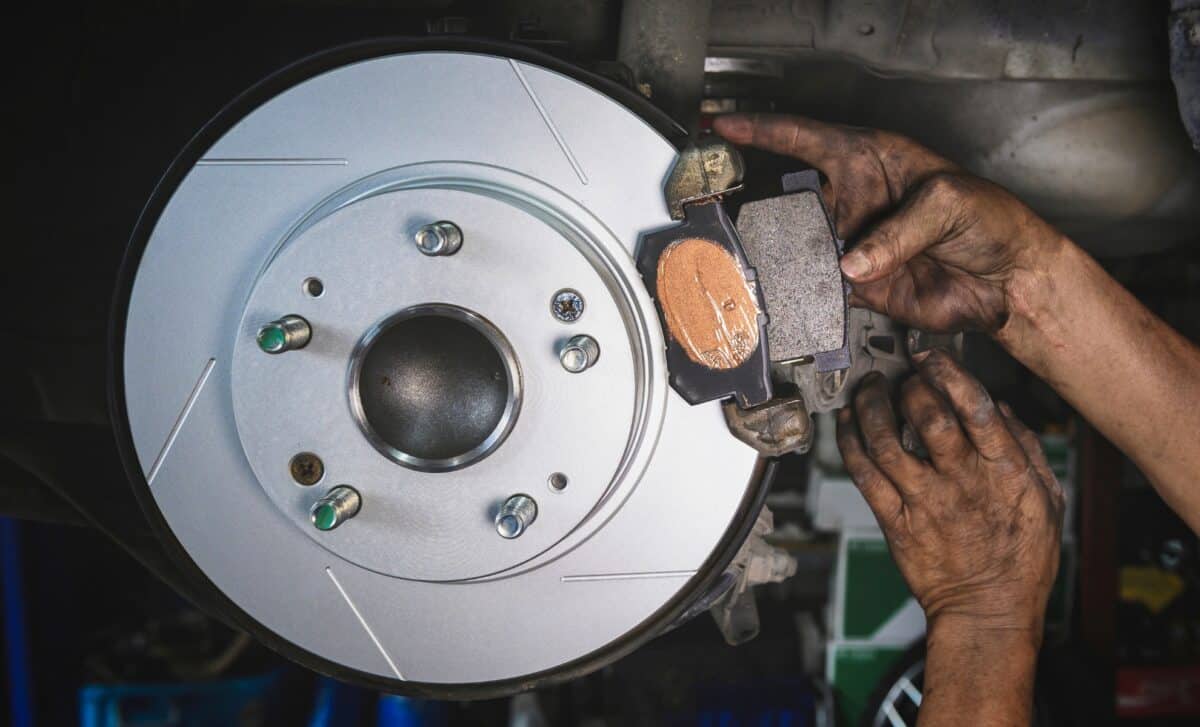
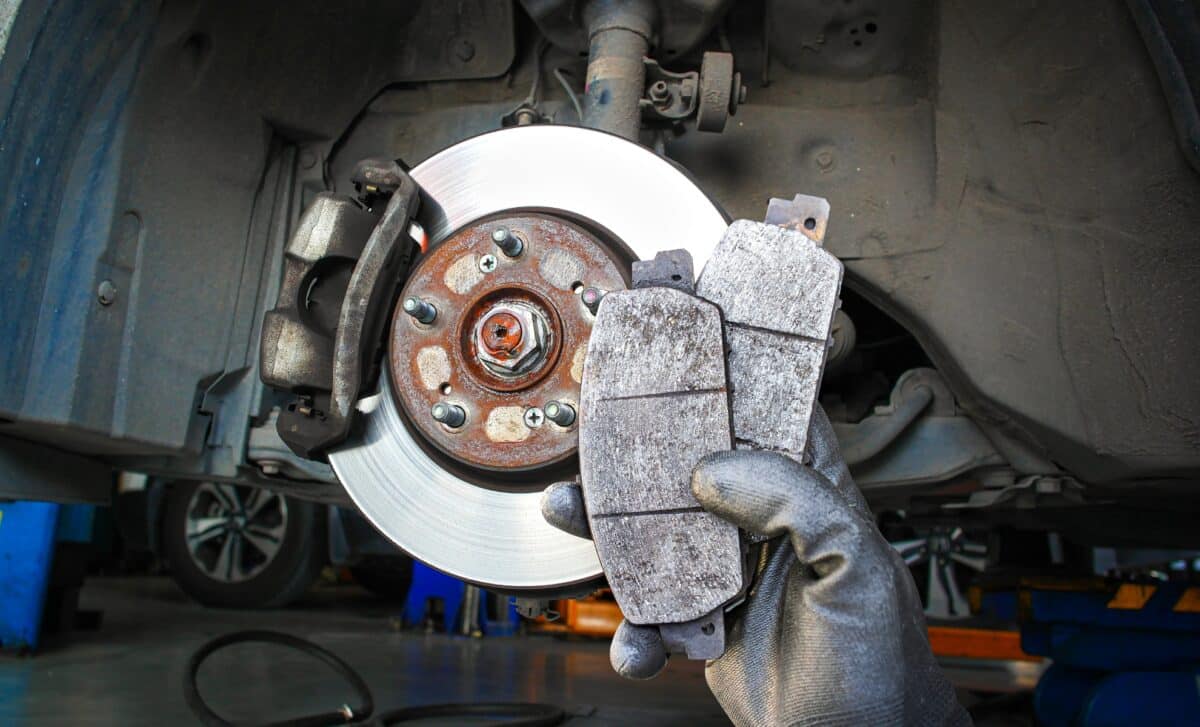
A visual inspection of the brake pads can also reveal early problems. Brake pads are located behind the wheels, against the rotors, and should be checked periodically. The minimum safe thickness for brake pads is 3 mm (roughly 1/8 of an inch). If they fall below this, it’s time for a replacement. In addition to thin pads, a vibrating brake pedal or steering wheel is another sign that your brakes may be in trouble. Vibrations are often a result of worn pads or rotor issues.
The Dangers of Delaying Brake Maintenance
Ignoring minor brake issues could lead to more serious and expensive repairs down the line. As the brake pads wear down, you may notice longer stopping distances or more pressure required on the brake pedal to stop the vehicle. This happens when the pads no longer provide enough friction against the rotors. Continuing to drive with this problem can cause the rotors to wear unevenly or become damaged, resulting in the need for costly replacements.
When it comes to brake maintenance, the key is acting early. Addressing issues like squealing brakes or vibration while they are still minor can save you from more urgent and expensive repairs. However, there are some symptoms that require immediate attention, such as grinding noises, which indicate metal-to-metal contact between the brake pads and rotors. This is a clear sign that the pads are beyond repair and that you’re likely damaging the rotors, which are much more expensive to replace.
Symptoms That Indicate Immediate Brake Service
Some brake issues can’t wait and demand immediate professional attention. One of the most alarming signs is a loud grinding or scraping noise when braking, which indicates that the brake pads have worn down completely, causing the metal parts to make contact with each other. According to automotive experts, this not only damages the rotor but could also lead to more severe issues with the braking system if left unaddressed.
Another critical sign is when the car pulls to one side during braking. This usually indicates uneven pad wear, which could be the result of an issue like a seized brake caliper. The problem could worsen quickly, affecting overall vehicle control and safety. Similarly, any change in the feel of the brake pedal, such as a spongy or sinking pedal, could signal a hydraulic issue, such as a brake fluid leak or air in the brake lines. This is a serious concern that should be addressed immediately to prevent a complete brake failure.
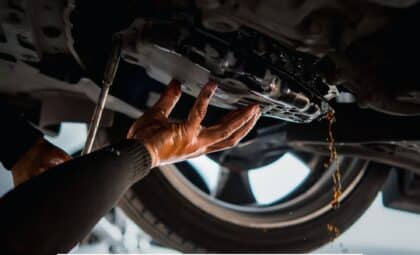
Brake fluid leaks are a clear red flag. If you notice a puddle of fluid under your vehicle or detect a subtle leak near the wheels, it’s time to take action. Brake fluid is essential for the hydraulic pressure that allows the brakes to function, and a leak can reduce the effectiveness of your brakes. Depending on the type of fluid, amber, red, brown, or even purple, the leak can sometimes go unnoticed, but it’s always a serious problem.