

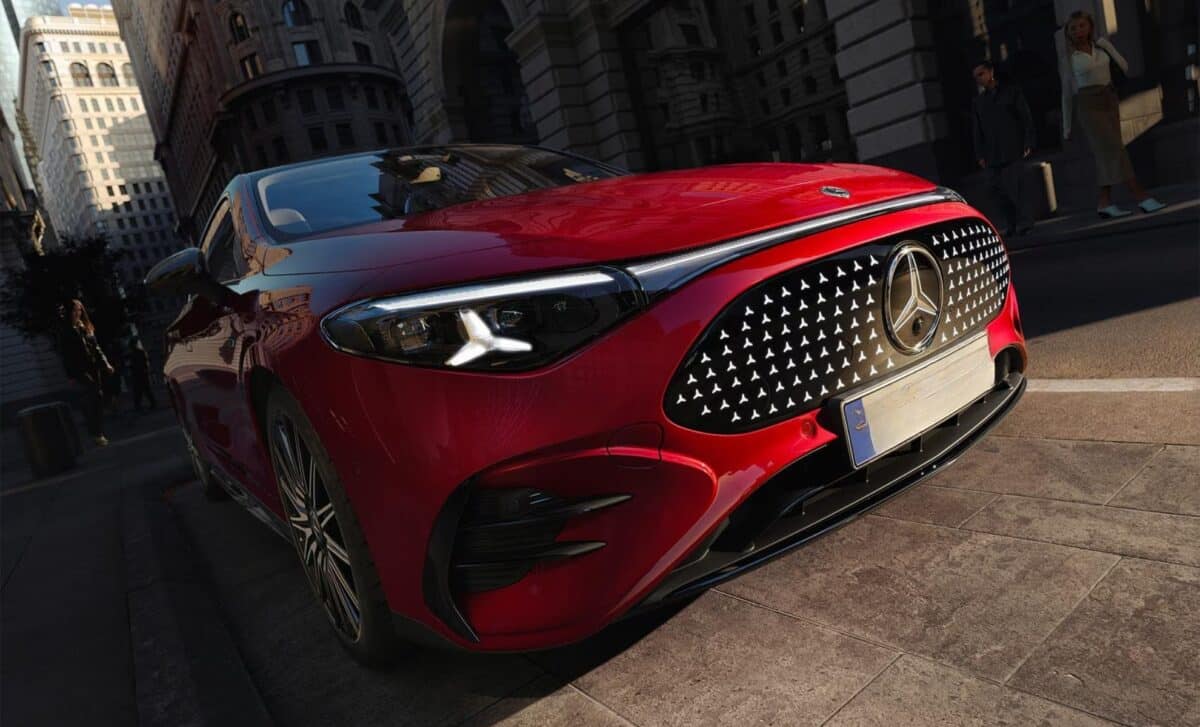
The CLA is the first Mercedes to be built on the new MMA (Mercedes Modular Architecture), a multi-energy platform designed to support the brand’s electric and hybrid future. Its importance for Mercedes is significant, making the early recalls all the more notable. These interventions, though not extensive in volume, highlight the challenges of launching an all-new architecture and signal that teething problems have not been avoided.
Mercedes is among the manufacturers that issue the most recall notices in Europe each year. While this might suggest reliability concerns, the strategy is primarily preventive. Mercedes tends to act quickly to resolve issues before they escalate, often limiting the number of affected vehicles. This approach is reflected in the current recalls for the CLA, which are being managed before many vehicles even reach customers.
Hybrid Versions Affected by 48V Cable Issue
The most recent recall affects the 48V mild hybrid variants of the CLA. A non-compliant 48-volt cable harness has been discovered in certain models, which could overheat and, in the most serious cases, pose a fire risk. Mercedes has responded by initiating a recall campaign to inspect and, where necessary, replace the cable harness located in the engine compartment.
The operation is somewhat technical and can take up to three hours, but it is fully covered by the manufacturer. In France, 202 vehicles are affected. These units were produced between November 17 and December 19, 2025. Due to their very recent production dates, some may even be corrected before delivery to clients.
Electric Versions Recalled for Seatbelt and Airbag Issues
The electric CLA has also been the subject of multiple recalls. One of these concerns a fault in the front seatbelt buckles, which could prove ineffective in the event of an accident. The issue affects both the driver and front passenger seats, requiring the replacement of the belt buckles, a procedure that may take up to 2 hours and 30 minutes.
This particular recall concerns 309 units manufactured between April and June 2025, all registered in France. A separate recall, far more limited in scope, involves a potentially damaged cable in the D-pillar, which may prevent the curtain airbag from deploying correctly. Only 19 vehicles produced between April and October 2025 are affected by this issue.
While these numbers are low, the nature of the defects, linked directly to occupant safety systems, makes them significant. These problems follow a year in which Mercedes had to immobilize over 100,000 vehicles in France due to the Takata airbag scandal, putting current issues into a broader context of heightened safety vigilance.
Early-Stage Issues Managed Through Targeted Recalls
Although these recalls may raise concerns, they are part of a broader proactive strategy at Mercedes. The manufacturer consistently ranks high in terms of recall frequency, not necessarily due to widespread failures, but because of its policy to act early and swiftly.
In the case of the CLA 2026, none of the current campaigns suggest systemic design failures. Instead, the brand is taking advantage of rapid detection to address limited faults, some involving just a few dozen cars, before they have an impact on large customer groups. Whether it’s the cable harness replacement in the hybrid model or the seatbelt and airbag checks on the electric variant, each action reflects a targeted intervention focused on quality control.