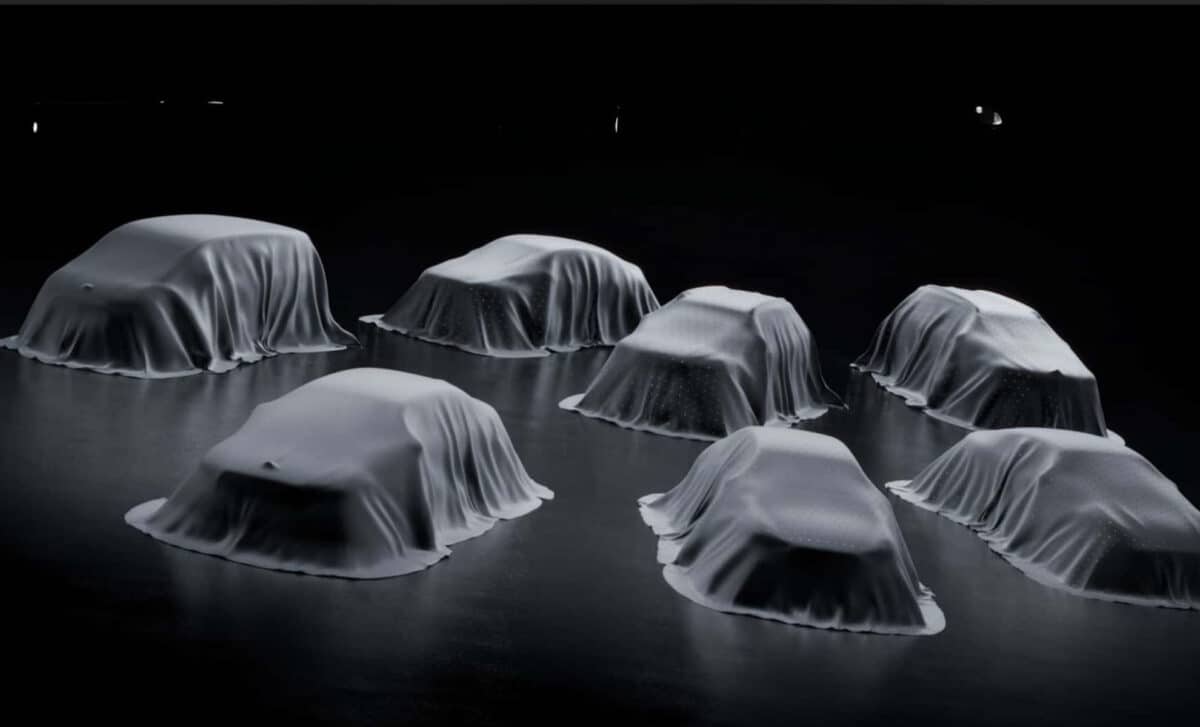
As Mercedes embarks on a busy year of new car launches, the automaker is preparing seven models in the next three months alone, with the remainder of 2026 expected to follow suit with multiple unveilings.
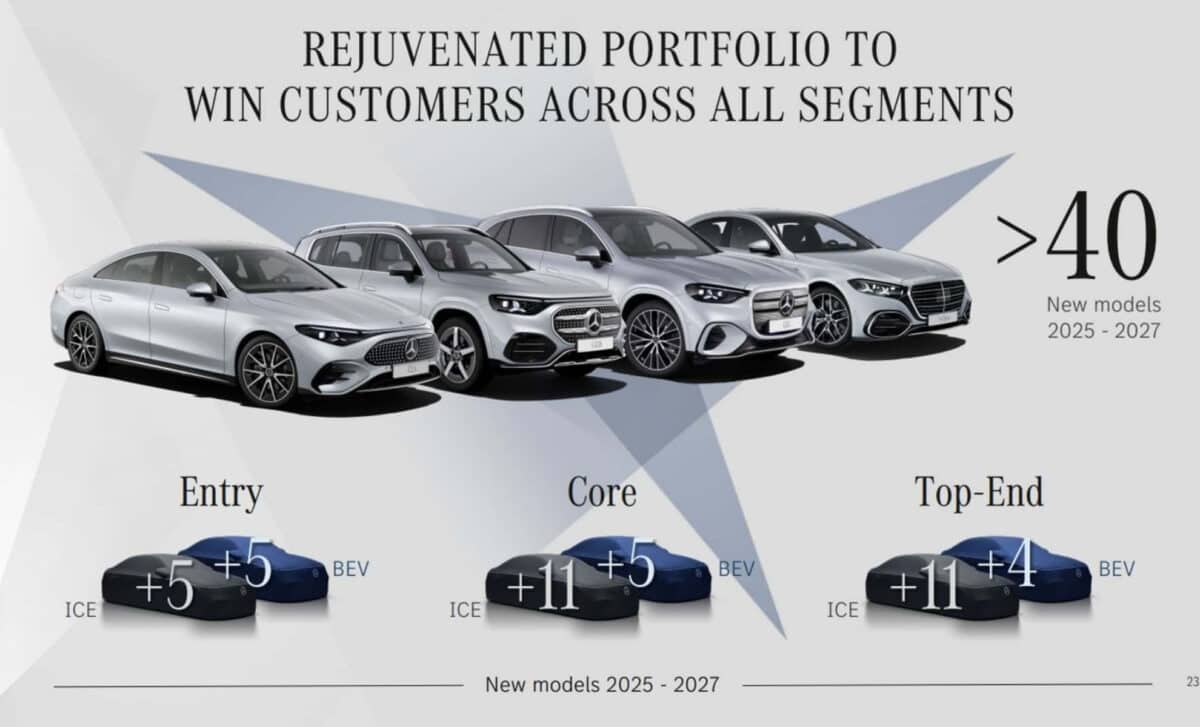
According to official company documents, these releases will cover a broad spectrum of its product range, from the more accessible to the luxury end. Mercedes has already started rolling out key updates like the S-Class facelift, with a focus on both combustion engines and electric models set to follow.
The Significance of Mercedes’ Expanded Lineup
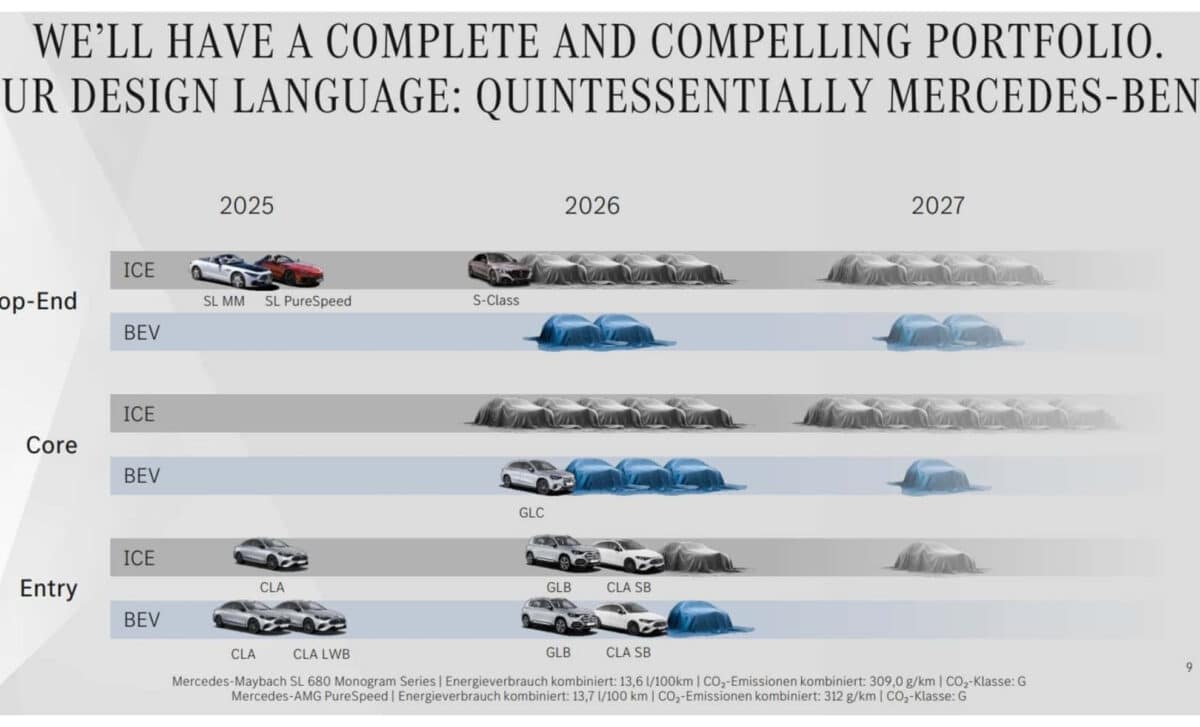
Mercedes-Benz is taking a bold step in expanding its lineup with 16 new vehicles, a move that is expected to further cement its position in the global automotive market. According to Motor1, the 2026-2027 model lineup will feature a range of updates, from the Maybach S-Class facelift to the anticipated debut of electric models like the EQS and EQS SUV facelifts. The addition of these new vehicles will not only help the brand compete more effectively against rivals but also signal a renewed commitment to combustion engines in parallel with its EV development.
These upcoming releases are crucial for the company as it seeks to appeal to a wider audience. Mercedes’ commitment to both electric and traditional combustion engine vehicles will allow it to retain loyal customers while also attracting new ones. This dual focus may help the brand recover some market share lost to competitors who have pushed heavily into electric-only segments.
Flagship and High-End Combustion Models
Mercedes-Benz’s strategy for its luxury models includes the anticipated facelift of the Maybach S-Class, which is set to debut soon. This follows the January release of the standard S-Class, with the Maybach version expected to offer even greater luxury. Additionally, a refresh for the GLS is scheduled for this year, and it is likely that the Maybach version will follow shortly after. According to the company, other high-end combustion models will include the G-Class Cabriolet or potentially the V8-powered AMG CLE.
The high-end combustion segment plays a crucial role in the brand’s broader strategy, combining performance and luxury to cater to top-tier customers. These models serve as both a status symbol and a performance benchmark, showcasing Mercedes’ engineering capabilities. The addition of more AMG models, which will be high-performance versions of existing models, will also help the brand capture a greater share of the sports car market.
Expansion of the EV Portfolio
On the electric side, Mercedes plans to update and expand its EV offerings, with the EQS and EQS SUV facelifts expected later in 2026. These updates will likely align with the brand’s overall goal of offering both high-performance electric options and more affordable EVs to a broader audience. Mercedes is also working on an AMG electric super sedan, which is expected to replace the gas-powered GT 4-Door Coupe.
The shift towards electric vehicles is part of Mercedes’ long-term vision, but the brand is also mindful of the pace at which the market is evolving. As electric vehicles continue to gain popularity in certain markets, the launch of a more accessible EV lineup, alongside high-end models, will enable the company to appeal to both mass-market and luxury customers. The electric C-Class, for example, is slated for release in 2026 and will mark the first fully electric version of this popular sedan.
Next-Generation Entry-Level Models
Mercedes is also preparing for significant updates to its entry-level offerings, particularly with the upcoming next-generation GLA, which is expected to debut later this year. As reported by Motor1, the GLA will come with a new electric version, underlining the company’s commitment to offering electric vehicles across all segments. Alongside the GLA, a new entry-level model set for 2027 will replace the A-Class, shifting away from the traditional hatchback design in favor of a more unconventional blend of minivan and SUV styles.
This new entry-level model represents a broader trend within the automotive industry, where manufacturers are focusing on versatility and practicality in their entry-level offerings. By moving away from the classic hatchback, Mercedes is likely responding to shifting consumer preferences, particularly in markets where SUVs and crossovers are increasingly popular. This shift could help Mercedes compete with rivals like BMW and Audi, while also strengthening its presence in the highly competitive entry-level segment.