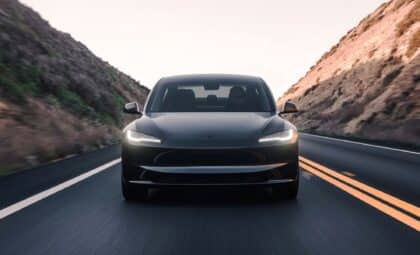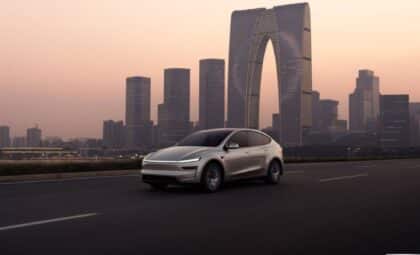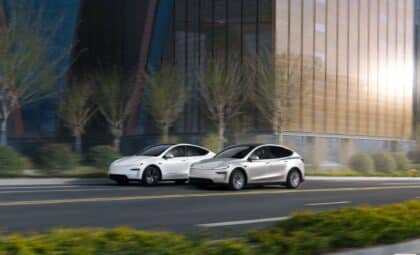
Despite a more challenging market environment and mounting pressure from established and emerging automakers, the Model 3 continues to stand out in key American rankings. Industry evaluations and customer feedback suggest that electric vehicles have reached a level of maturity that resonates strongly with drivers, with 96% of owners saying they would choose an EV again.
Tesla is navigating a mixed period. Sales have slowed in certain markets, competition has strengthened, and the company’s image has been tested in recent months. Yet on the product side, the Model 3 remains a benchmark. Both the annual Edmunds rankings and the JD Power satisfaction survey indicate that the leading electric models on the market now deliver a level of ownership experience that convinces the vast majority of buyers.
Model 3 Named Best Electric Car for the Second Year in a Row
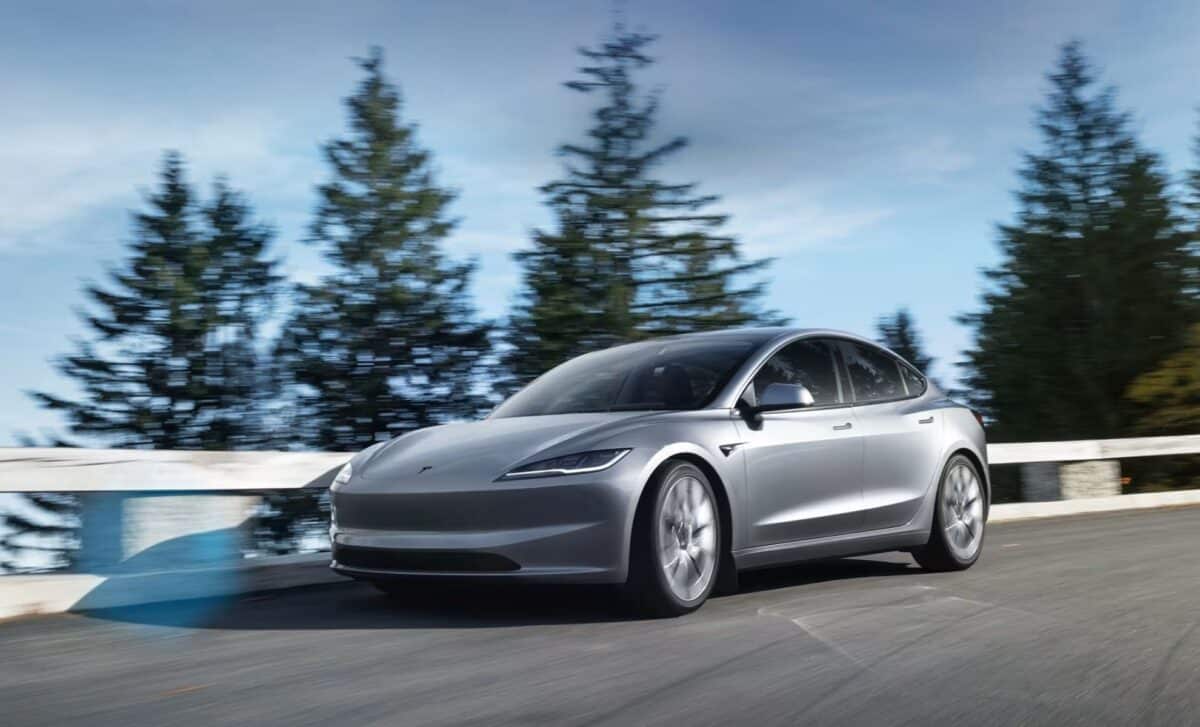
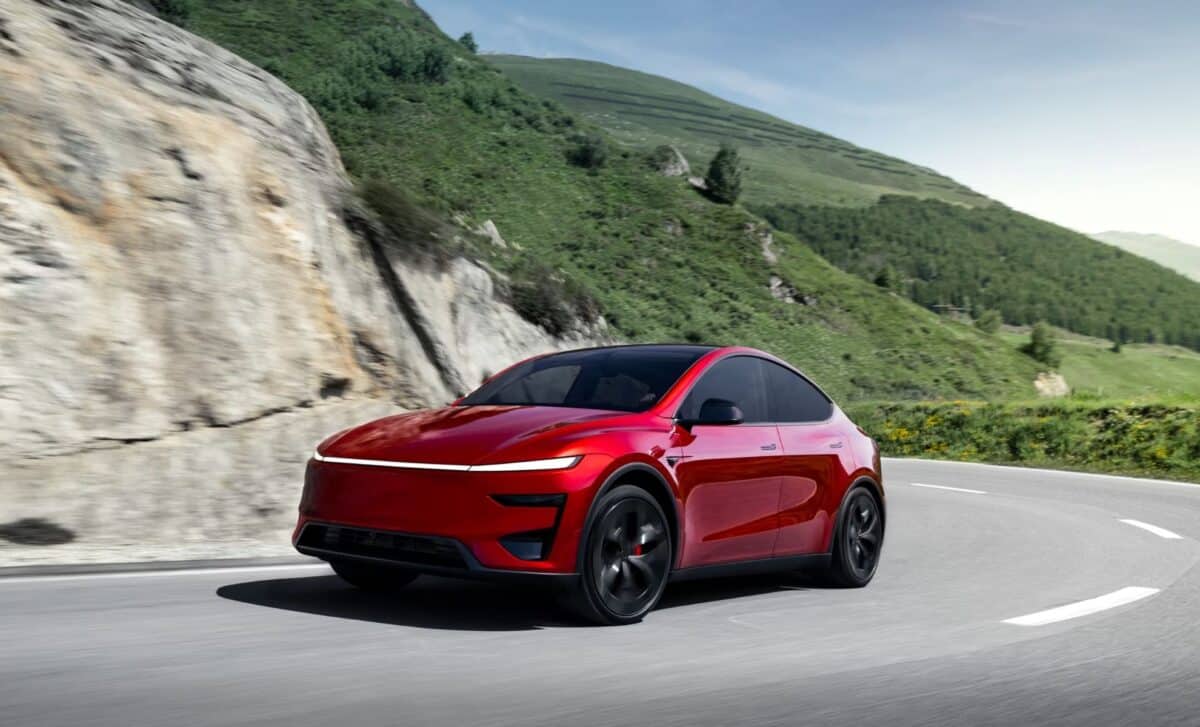
For the second consecutive year, Edmunds ranked the Tesla Model 3 ahead of the Audi A6 Sportback e-tron and the BMW i5. The California-built sedan earned a score of 8.1 out of 10, supported by a starting price of about $43,880 in the United States and a measured range of more than 544 kilometers. In France, the entry price stands at €36,990 before incentives.
Edmunds described it as “the best Model 3 ever produced,” citing improvements in perceived quality, revised suspension comfort, and a balance between efficiency, performance, and overall ownership costs. Jonathan Elfalan of Edmunds summarized the car as offering “almost the perfect combination of everything: speed, range, comfort, space, technology, accessibility and practicality,” calling it an obvious choice for buyers seeking a sensible electric vehicle.
In France, the updated Model 3 is announced with a range of up to 750 kilometers under the WLTP cycle, placing it among the segment’s references on that criterion. Globally, it remains Tesla’s second best-selling model behind the Model Y, despite a more difficult context for the brand in Europe.
German Rivals Gain Ground with Audi and BMW
Behind Tesla, the Audi A6 Sportback e-tron secured second place. According to Automobile Magazine, Edmunds praised its driving dynamics, smoothness, and comfort, qualities that carry weight in a segment where refinement is increasingly central. The model also stands out for its 800-volt technology, which reduces charging time. On the European market, the A6 e-tron Sportback offers up to 733 kilometers of WLTP range in its most favorable configuration, positioning it among the most long-range electric sedans in its class.
Third place once again went to the BMW i5, which had already performed well in 2025 rankings. With a WLTP range of up to 582 kilometers, the i5 is recognized for its advanced onboard technology and a driving experience described as pleasant. Steering calibration, power management, and sound insulation allow it to compete with well-established combustion-engine references.
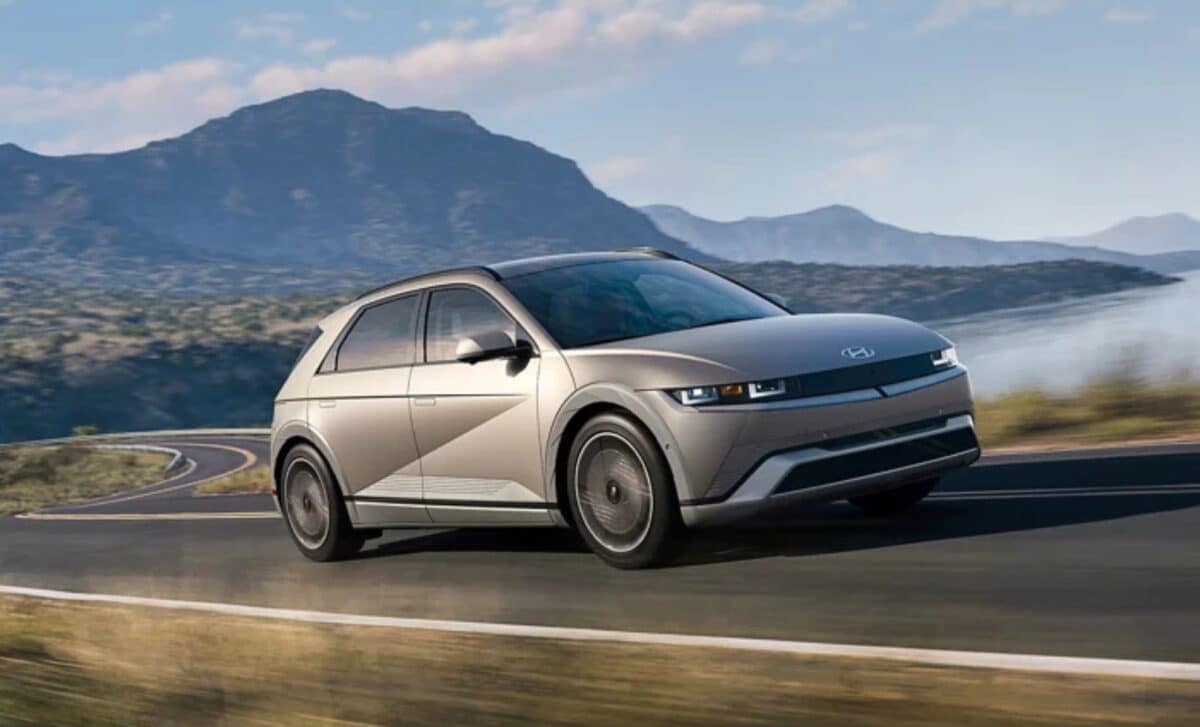
In other categories, Edmunds named the Hyundai Ioniq 5 the best electric SUV and the Rivian R1T the top electric pickup. The ranking does not include Chinese models, which remain largely absent from the U.S. market.
Record Satisfaction Levels Among Electric Vehicle Owners
Beyond specifications and performance metrics, owner feedback plays a growing role in assessing electric vehicles. The latest “U.S. Electric Vehicle Experience” study by JD Power, focused on the first year of ownership, reports rising satisfaction across all categories.
On a 1,000-point scale, premium electric models improved from 756 to 789 points in one year, while mass-market EVs reached 727 points. In the premium segment, the top three models are the Tesla Model 3 with 804 points, the Tesla Model Y with 797, and the BMW i4 with 795. The new Audi Q6 e-tron scored 690 points, placing it behind the Lucid Air at 740 and the Rivian R1T at 739.
According to JD Power, the study aggregates ten criteria, including the accuracy of displayed range, public charging availability, cost of ownership, driving enjoyment, ease of home charging, design, safety, after-sales experience, and overall reliability. The findings show that 96% of battery electric vehicle owners say they would consider another EV for their next purchase or lease, even without the U.S. federal tax credit.
Quality indicators also improved. Premium EVs recorded 15.9 fewer problems per 100 vehicles compared with the previous year, bringing the average down to 75. This improvement is linked to fewer rattles and better reliability of driver-assistance systems. Satisfaction with public charging infrastructure rose by more than 100 points, a jump attributed to network expansion and the gradual opening of Tesla’s Supercharger network to other manufacturers.
The study also highlights a gap between fully electric models and plug-in hybrids. Premium EVs scored 114 points higher than their PHEV counterparts, while mass-market EVs led by 117 points. According to the institute, part of the difference stems from the more complex powertrains of plug-in hybrids and less transparent running costs.
In Europe, Tesla is no longer consistently leading sales charts. Volkswagen recently surpassed the brand in volume, although the Model Y remains the most registered model on the continent and the Model 3 still ranks among the top five. Chinese manufacturers, including BYD, are also gaining ground. Still, these American distinctions suggest that on its domestic market, the Model 3 retains its reference status.