

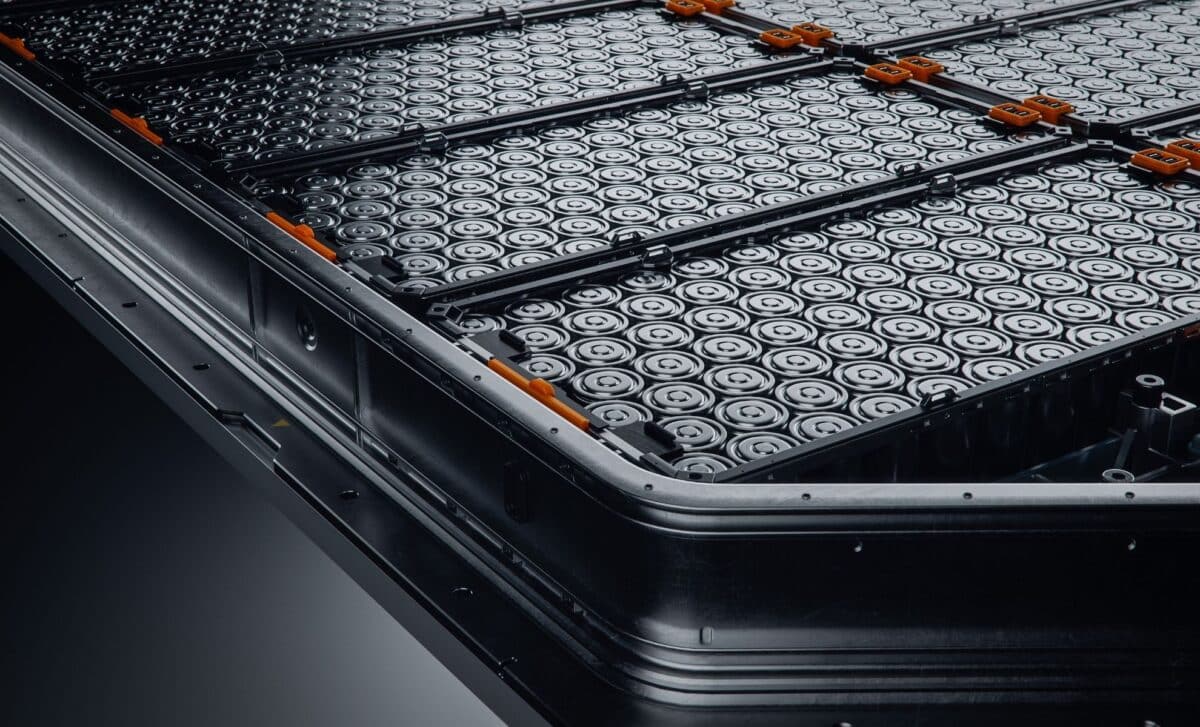
For years, battery recycling has remained a relatively discreet part of the automotive value chain. While degraded batteries from high-mileage electric vehicles may lose long-distance performance, the materials inside them can be recovered and reused to produce new battery cells.
The industry has not yet scaled significantly because electric cars are still relatively new, meaning few have reached retirement age. That dynamic is expected to shift after 2030, when a growing number of EVs launched in recent years will be scrapped. Some observers have begun referring to the mineral-rich sludge generated during recycling as the new “black gold.”
A Rapid Shift from Niche to High-Growth Sector
Disassembly and recycling of battery-electric vehicles are transitioning into a large-scale industrial activity. According to Automotive News, which cites projections from McKinsey & Co., global revenues across the battery recycling chain are forecast to reach roughly $70 billion per year by 2040.
That figure marks a significant increase compared to the approximately $2.5 billion generated last year. The expected growth is largely tied to the anticipated wave of retired batteries after 2030, when vehicles introduced in recent years will be ready to be dismantled.
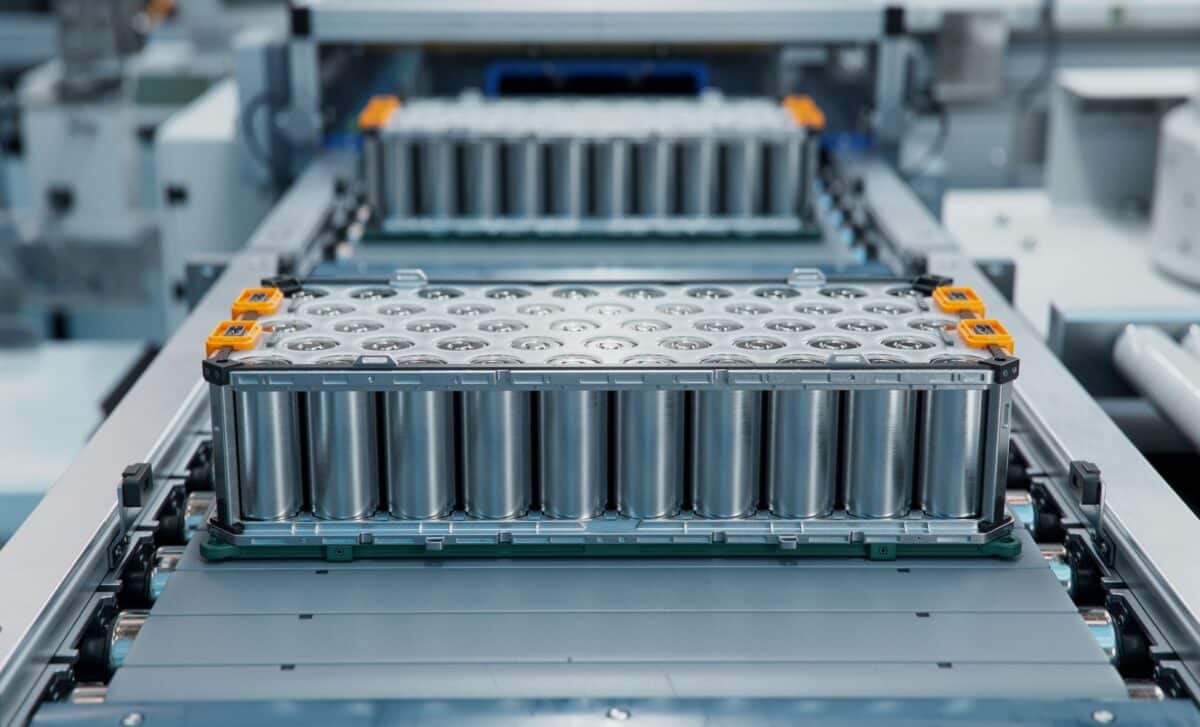
As reported by InsideEVs, Automakers are already preparing for this shift. BMW, Volkswagen and Renault are expanding recycling partnerships. At the same time, companies such as R3 Robotics are deploying robotic systems designed to industrialize battery disassembly at competitive prices, signaling a move toward greater automation within the sector.
Regulation Shaping the Market’s Expansion
Regulatory frameworks are playing a central role in accelerating battery recycling. Until recycling becomes as economical as mining and refining new raw materials, policy support is expected to help the industry scale.
Both the European Union and China have implemented stringent requirements regarding battery material recovery. China has introduced mandatory take-back rules for batteries. In Europe, the EU Battery Regulation sets a target requiring 70% recycled lithium in EV batteries by 2030.
The European Critical Raw Materials Act further stipulates that at least 25% of certain battery materials must come from within the EU and be recycled, with the aim of reducing reliance on foreign sources.
In the United States, there is currently no federal mandate for EV battery recycling. Still, some states are moving independently. Last month, Colorado lawmakers introduced a bill that would require automakers to ensure that EV batteries are properly recycled. The proposed law would take effect in 2028.
A Potential Reduction in Future Mining
Supply security, margin protection and circular manufacturing are reinforcing interest in recycling. Recovering valuable materials from used batteries offers manufacturers an alternative to relying solely on newly mined resources.
According to a study published last year by the environmental think tank RMI, a fully mature EV battery recycling industry could mean that the world would not need to mine any new battery minerals after 2050. The study highlights the long-term implications of scaling recycling capacity as more batteries reach end-of-life.