
In several European countries, teenagers can legally drive certain small vehicles without a full driver’s license, a concept that contrasts sharply with American norms. These models, called voitures sans permis, or VSPs, are designed for short trips and limited-speed environments rather than conventional road use.
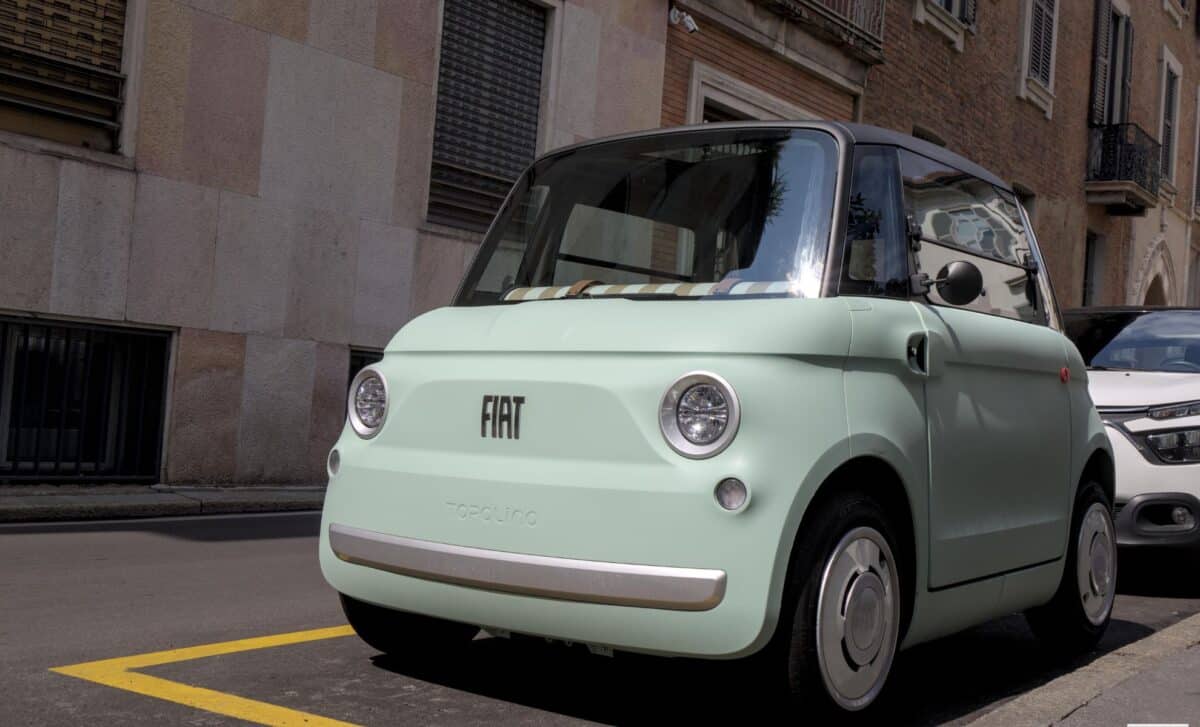
Their potential arrival in the United States, led by Fiat’s planned import of the Topolino in 2027, raises questions about how such vehicles could fit into American cities and communities already grappling with congestion, cost, and access to mobility.
A Distinct Category With Minimal Licensing Requirements
“Voitures sans permis”, literally “cars without a license”, form a unique vehicle class across parts of Europe. According to MotorTrend, these vehicles are significantly smaller and lighter than standard cars, often seating just two people and powered by modest two- or three-cylinder engines or small electric drivetrains.
Their performance is deliberately limited, with top speeds around 30 mph, which restricts them from highway use. Some models even blur the line between cars and motorcycles, as certain versions feature three wheels, while four-wheeled variants are often classified as quadricycles.
The regulatory framework differs as well. Teenagers can begin operating these vehicles as young as 14 in some regions, provided they complete a theory course and several hours of supervised driving. No formal driving test is required, and the certification remains valid for 15 years. For individuals born before 1988 who never obtained a license, access is even less restrictive.
Practical Uses In Urban And Rural Environments
Despite their limitations, VSPs serve specific mobility needs. In rural areas where public transportation is scarce, they offer a basic form of independence. In dense urban centers, their compact size makes it easier to park and maneuver in congested streets.
Electric versions are gaining traction in cities facing restrictions on internal combustion engines. This shift is particularly visible in places like Paris, where environmental policies favor small electric vehicles. Prices also play a role in their appeal, with entry-level models starting at around $10,000.
The combination of affordability, accessibility, and practicality has driven their expansion beyond France into countries such as Germany, Italy, Belgium, Portugal, and Monaco.
Key Models Illustrate The Concept’s Diversity
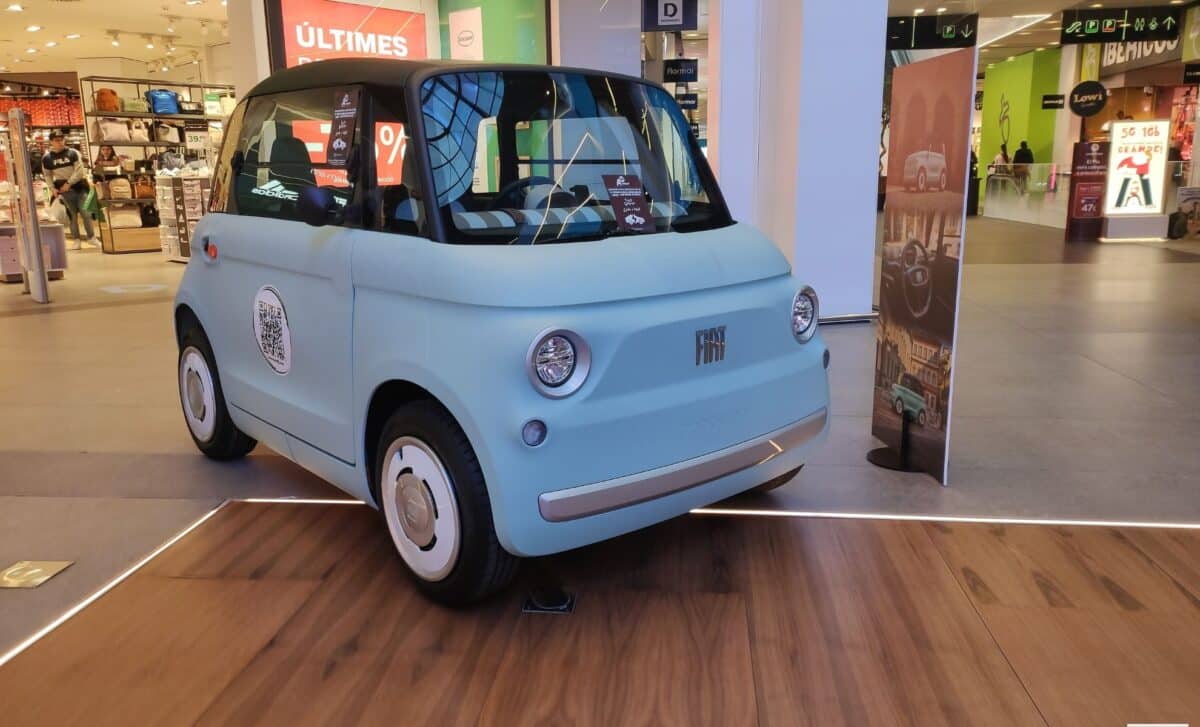
Several models highlight how manufacturers interpret the VSP concept. The Fiat Topolino, scheduled for U.S. release in 2027, is a compact two-seater measuring under 100 inches in length. It shares its platform and 8-horsepower electric drivetrain with the Citroën Ami but adopts distinct styling cues, including a retro-inspired front end and optional open-air features like a roll-back roof.
The Citroën Ami itself stands out for its unconventional design and cost-saving engineering. The vehicle weighs roughly 1,000 pounds and uses identical panels for the front and rear, as well as asymmetrical door hinges to reduce production complexity. Its design reinforces its classification closer to a four-wheeled motorcycle than a traditional car.
Another notable example is the Renault Twizy, produced between 2012 and 2023. Its exposed wheel layout and minimal weather protection emphasize its hybrid identity between car and scooter. The Twizy offers about 60 miles of range, and in some versions, the battery was leased separately from the vehicle. A cargo variant replaced the rear seat with storage space, targeting delivery use.
Together, these vehicles illustrate a category built around simplicity, limited performance, and targeted functionality, qualities that could challenge conventional expectations if they gain traction in the United States.