The shift comes after a period when electrification appeared inevitable across the automotive industry. Most manufacturers had committed to fully electric lineups within a decade, but adoption has not met expectations in the U.S., creating a mismatch between supply and demand.
Compounding this trend, the federal $7,500 EV tax credit ended in September 2025. The policy shift further weakened momentum for electric vehicles and pushed companies to reassess their strategies.
A Wave Of Discontinued Models Across Major Brands
Several electric models already on sale have been removed from the U.S. market after short lifespans. Acura discontinued its ZDX after just one model year, despite sharing its platform with General Motors and being produced in Tennessee. According to Car and Driver, the decision came shortly before the federal tax credit expired.
BMW also scaled back its EV lineup. The iX was discontinued in the U.S. following declining sales, while the i4 will end production in 2026 after five model years, as the company prepares to introduce a new i3 sedan built on a more advanced platform.
Other brands faced similar outcomes. Genesis halted the Electrified G80 in August 2025 after limited sales, which peaked at 1,329 units in 2023. Hyundai discontinued the Ioniq 6 after the 2025 model year, with sales dropping from 12,264 units to 10,478 year over year.
Volvo also withdrew the EX30 after just two model years, with 5,409 units sold in 2025, marking a brief presence for what had been its most affordable EV.
Projects Canceled Before Reaching The Market
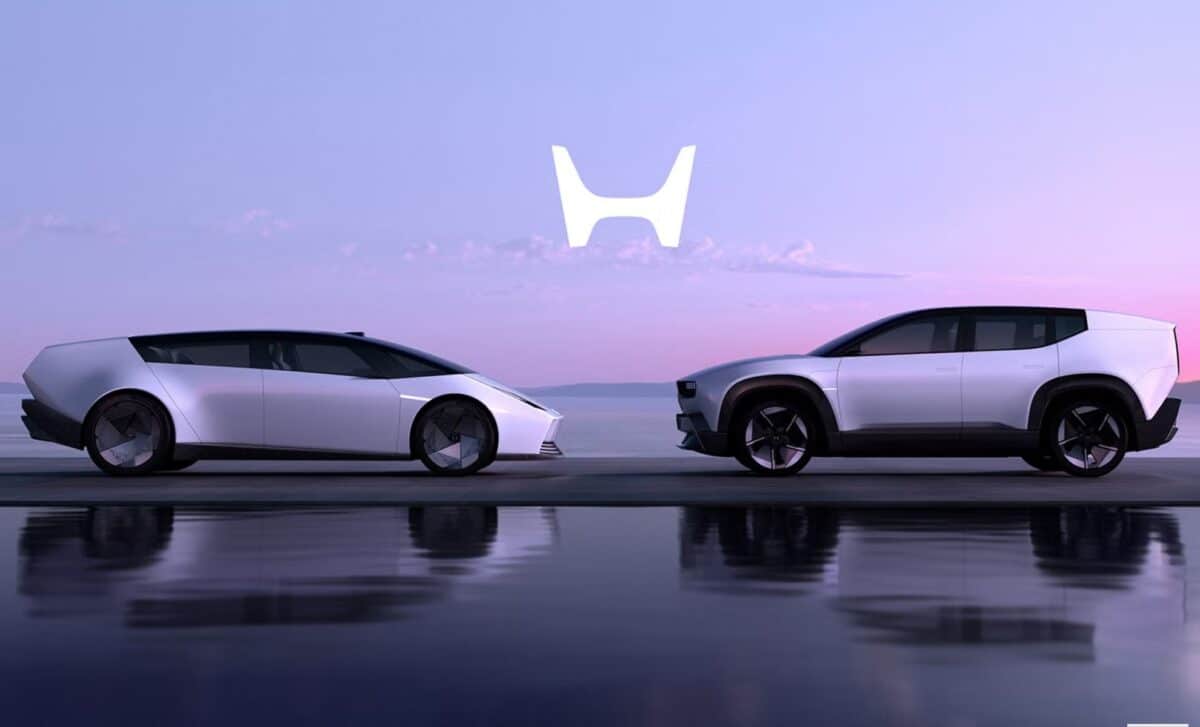
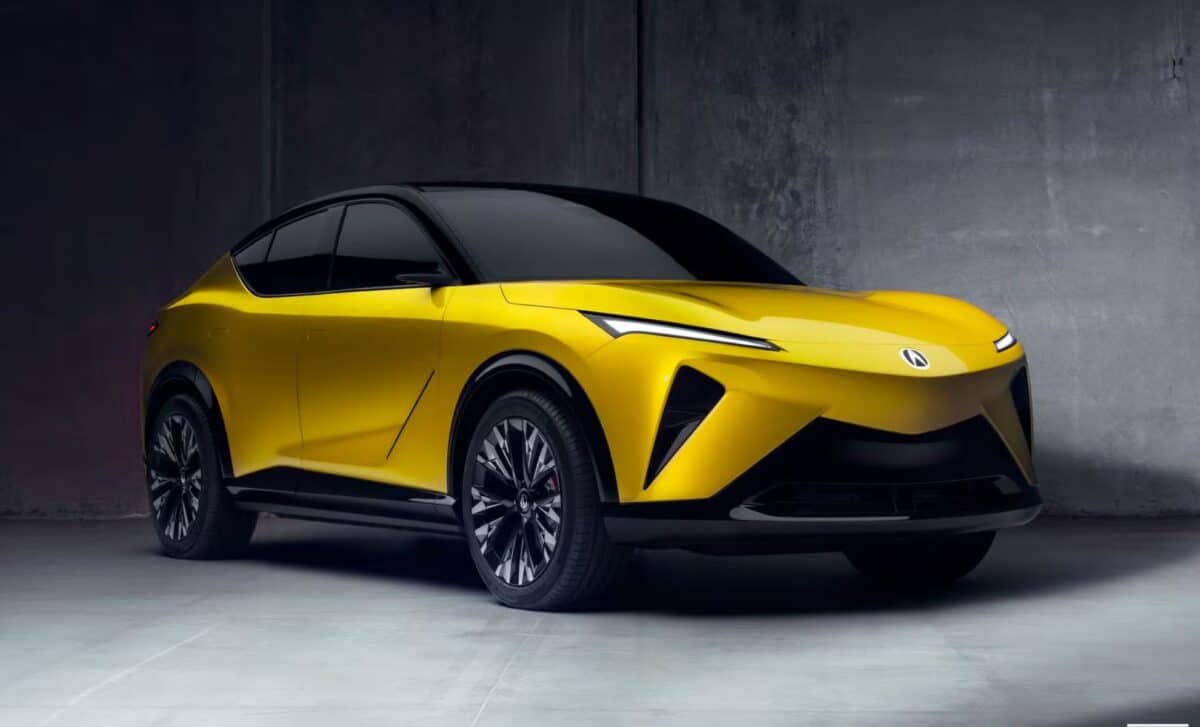
Beyond discontinued vehicles, several highly anticipated EVs never reached production. Honda canceled three U.S.-built electric models in March 2026, including the Acura RSX and two vehicles based on its 0-Series platform, which had been presented at CES 2025.
This decision also affected Sony Honda Mobility’s Afeela 1 sedan, which had been showcased in both prototype and production form at CES events. The project was abandoned shortly after Honda’s announcement, along with a planned SUV variant.
Other manufacturers followed similar paths. Kia indefinitely delayed the EV4 sedan, initially expected in early 2026, while Lamborghini scrapped its Lanzador EV project in favor of a plug-in hybrid version. Nissan halted production of the Ariya for the U.S. after just three years, using the term “pause” without confirming a return.
Ram also canceled its planned electric pickup, originally named the 1500 REV, citing slowing demand in North America.
Market Pressures And Strategic Pivots Reshape Ev Plans
Several decisions were directly tied to market conditions and shifting demand. General Motors discontinued its BrightDrop electric vans in October 2025, noting that the commercial EV segment was growing more slowly than expected. The vans, priced above $67,000, saw only a short production run for the 2026 model year.
Performance-oriented EVs were not spared. Dodge removed the Charger Daytona R/T after 2025, leaving only the higher-performance Scat Pack version. The company described the move as a postponement linked to evaluating U.S. tariff policies, while a planned high-performance Banshee variant was reportedly canceled.
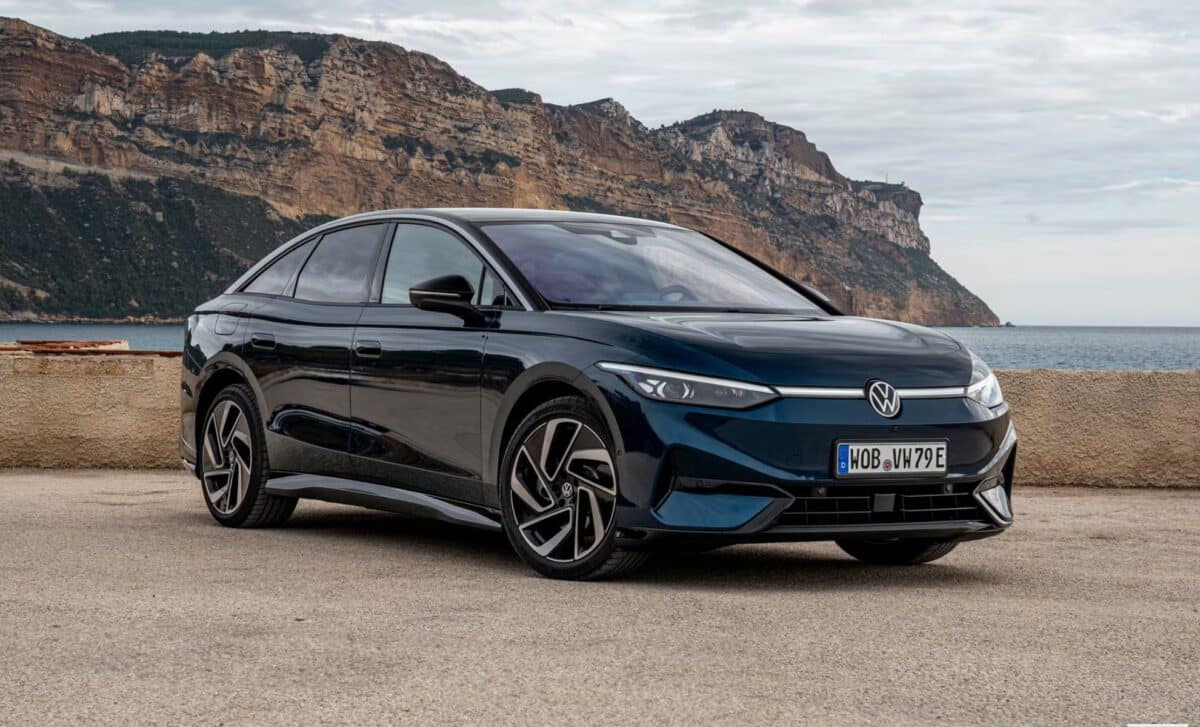
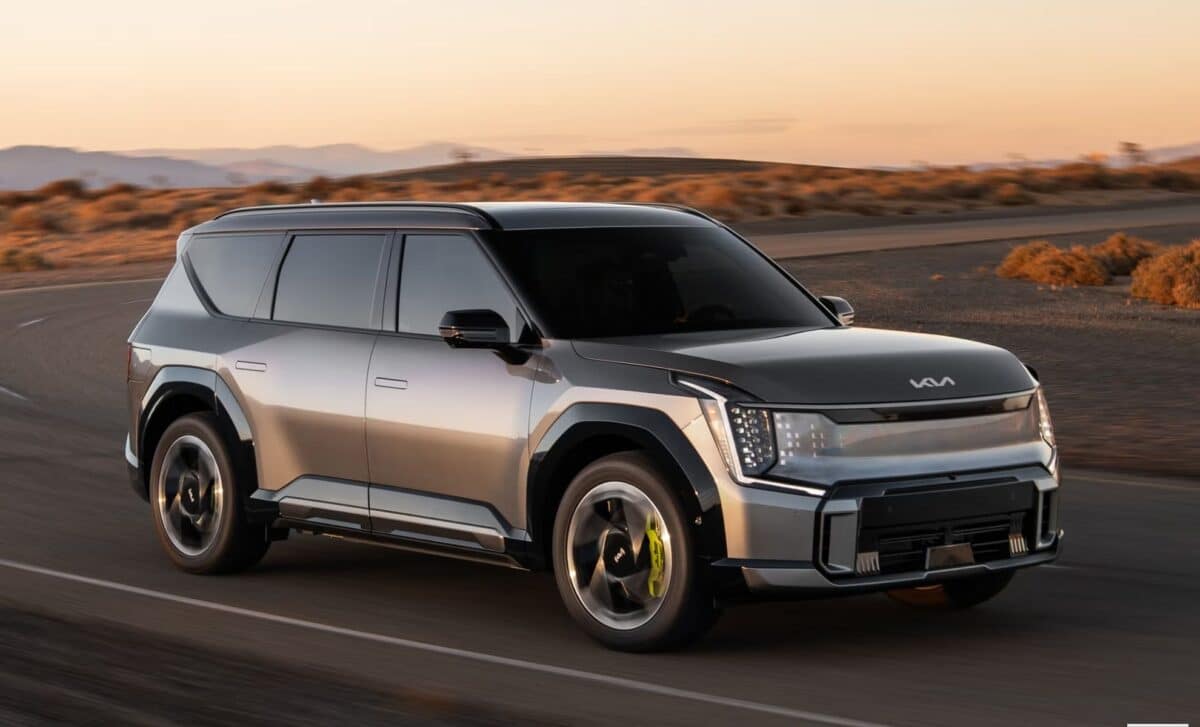
Volkswagen also withdrew plans to bring the ID.7 sedan to the U.S., even though the model remains available in Europe. Meanwhile, Kia suspended both the EV9 GT and EV6 GT, halting its expansion into high-performance electric variants.
Taken together, these decisions reflect a broader recalibration across the industry. Automakers are increasingly adapting to “ever-changing consumer needs and market conditions,” a phrase echoed by Genesis when explaining its own withdrawal from the segment.