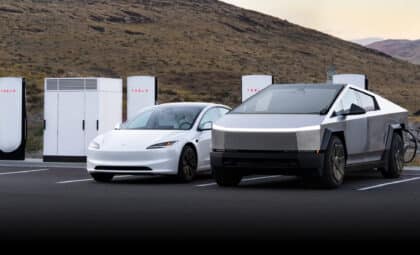

Tesla is steadily opening its Supercharging network to vehicles from other brands across the United States. This wider access marks a shift from a system once reserved exclusively for Tesla drivers.
Yet, pricing differences between Tesla and non-Tesla vehicles remain firmly in place. For EV owners, the choice between paying per session or subscribing now depends heavily on how often they rely on fast charging and where they plug in.
A Network Built For Tesla, Now Open To Competitors
Tesla began deploying its Supercharging network in 2012, initially limiting access to its own vehicles. Early users benefited from free charging, though that changed as more affordable models entered the lineup and paid usage became standard.
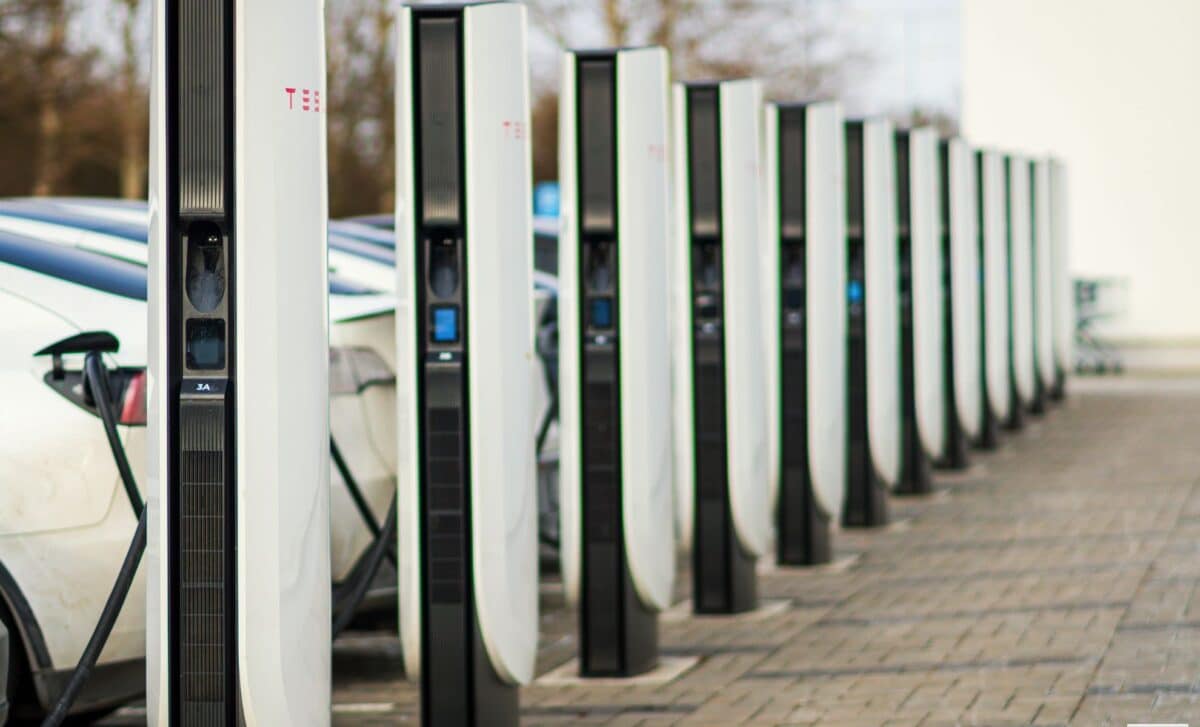
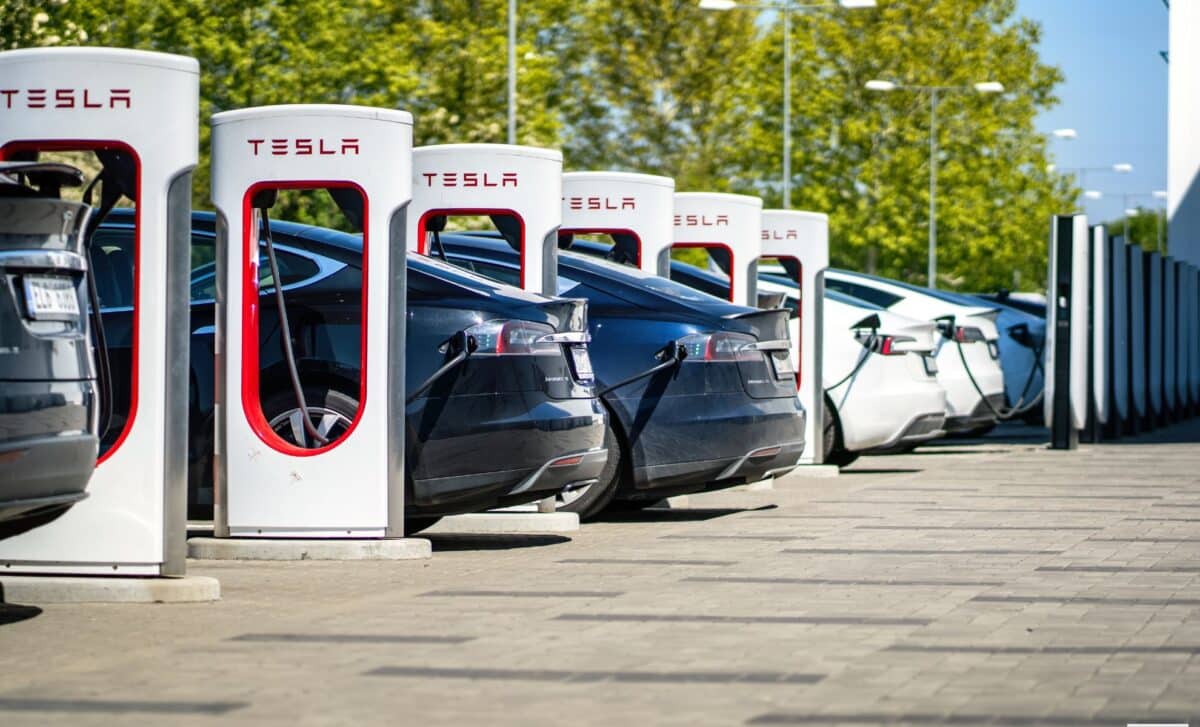
The shift toward broader access started in early 2023. Tesla first opened about 10 stations to non-Tesla vehicles using integrated adapters known as Magic Dock, allowing CCS1-equipped cars to connect. Despite this move, deployment remained limited, with roughly 2,000 Magic Dock dispensers compared to more than 37,000 total Superchargers in the U.S.
A larger transition followed through partnerships with automakers adopting Tesla’s charging standard. Ford announced its switch to NACS in May 2023, followed by General Motors in June. Since then, most major manufacturers, including BMW, Hyundai, Toyota, and Volkswagen, have joined, contributing to the industry-wide shift toward the SAE J3400 standard.
Today, more than two-thirds of Tesla’s V3 and V4 Supercharging stalls are accessible to non-Tesla EVs through these agreements, while a smaller portion remains available via Magic Dock for CCS1 vehicles.
A 40% Price Premium For Non-tesla Vehicles
Despite broader access, pricing remains unequal. Tesla vehicles benefit from the lowest Supercharging rates, while other EVs typically face a surcharge.
“…all Teslas pay the lowest Supercharging rates – all others pay a ~40% premium or need a subscription,” Tesla stated, as reported by Ev Charging Stations.
This difference is reflected in real-world pricing. In one example from Campbell, California, daytime rates reached $0.48 per kWh for Tesla vehicles compared to $0.68 per kWh for non-Tesla EVs. Prices vary by location and time of day, making the exact premium fluctuate, but the average remains close to 40%.
The pricing structure also serves as a competitive lever, reinforcing Tesla’s ecosystem while still monetizing access for other brands.
Subscription Model Offers A Path To Parity
To offset the higher costs, Tesla offers a Supercharging Membership priced at $12.99 per month. This subscription allows non-Tesla EV drivers to access the same rates as Tesla owners when using the Tesla app.
According to Tesla’s support documentation, the membership applies across multiple vehicles and does not need to be purchased per car. It is also cancellable at any time.
The financial benefit depends on usage. With an assumed average charging cost of $0.50 per kWh and a 40% premium, the subscription cost would be offset after roughly 65 kWh of charging per month. In markets with lower premiums, the break-even point rises to 86 kWh or even 130 kWh.
In practical terms, this means that drivers who frequently rely on Superchargers, typically exceeding 100 kWh monthly, may find the subscription worthwhile. Those charging less than 70 kWh per month, or using fast chargers irregularly, may be better off paying per session.
This variability leaves room for competing charging providers, especially where pricing or convenience offers a better alternative.