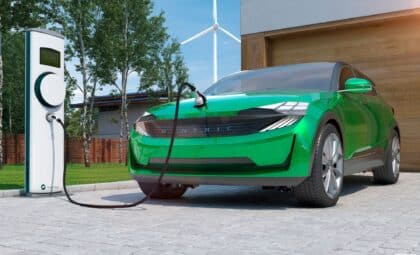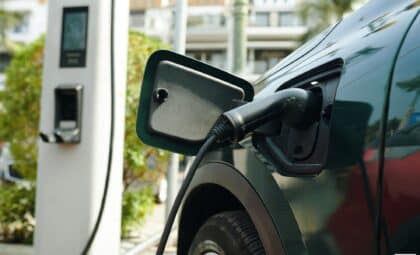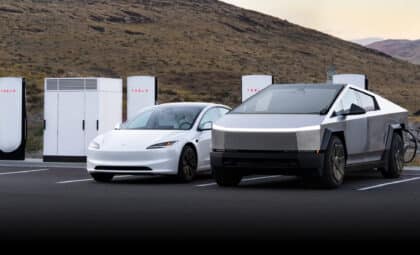

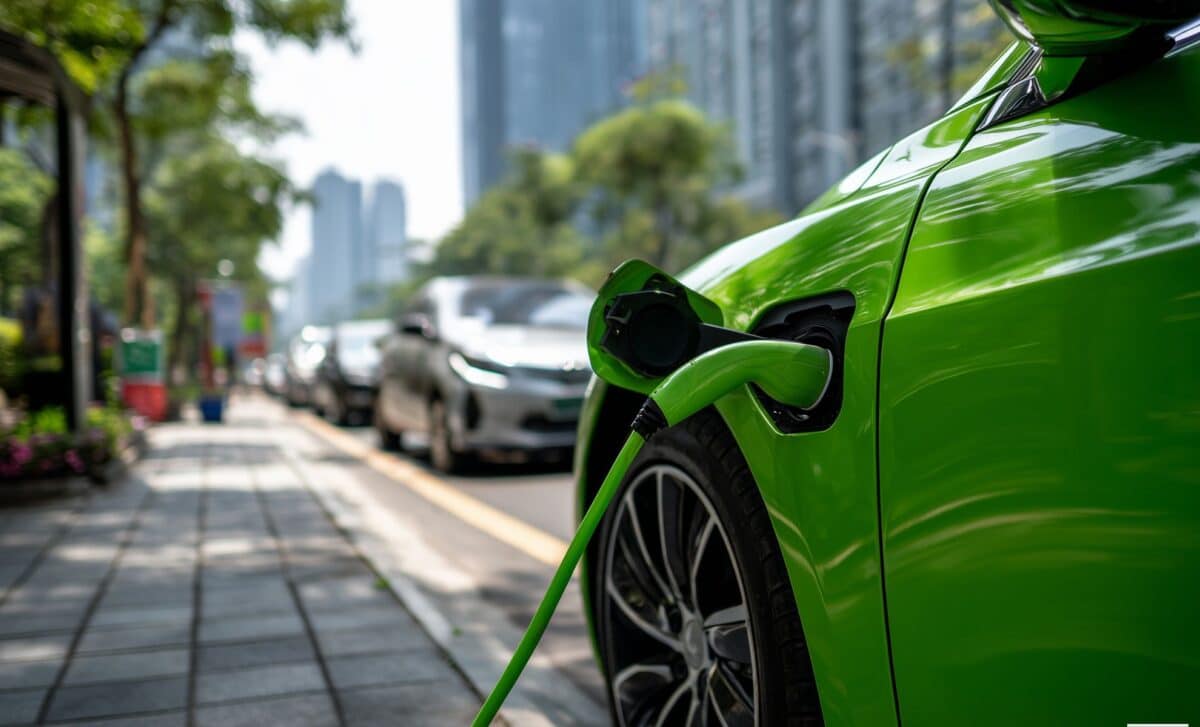
Electric vehicles operate differently from gasoline-powered cars, especially when energy reserves run low. As battery charge decreases, performance can be limited, and the remaining range may not always reflect real-world driving conditions. This creates uncertainty for drivers, particularly when charging infrastructure is unavailable or unreliable.
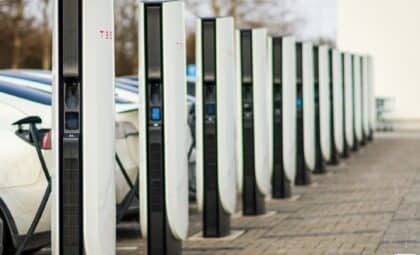
The issue is not limited to navigation challenges. In some cases, charging stations may be out of service, occupied, or incompatible with a vehicle. Even when a station is located, drivers may encounter multiple failures in succession, intensifying the difficulty of reaching a usable charger.
Understanding Range Limits And Vehicle Behavior
Each electric vehicle has its own threshold for low-battery warnings and remaining range behavior. Some models continue operating for up to 20 miles after displaying zero range, while others stop almost immediately. According to Car and Driver, this variability means drivers often only learn their vehicle’s real limits through experience.
As battery levels drop, power output is reduced. This affects acceleration and overall performance, making it harder to maintain normal driving conditions. Unlike internal combustion engines, EVs cannot rely on reserve fuel beyond what is indicated, which increases the importance of understanding how a specific model behaves under low-energy conditions.
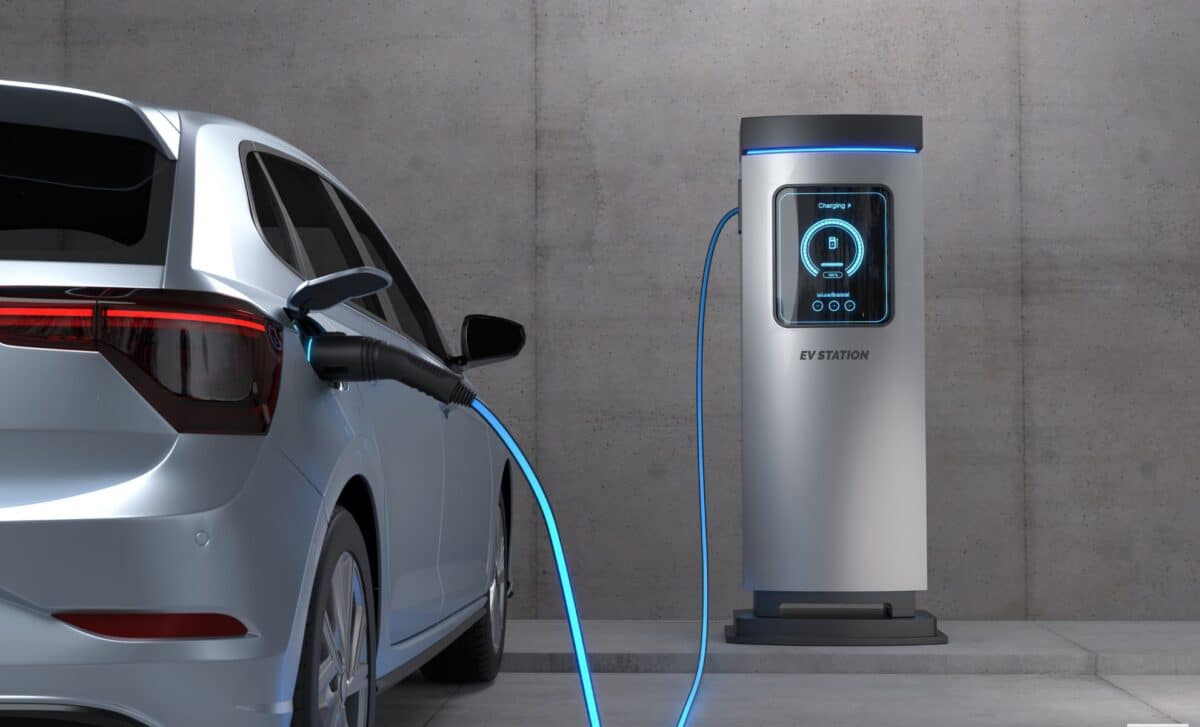
Immediate Actions To Extend Remaining Range
When range becomes critical, reducing energy consumption is essential. Switching to an eco driving mode lowers motor output and softens acceleration response. Climate control should be turned off entirely, even in extreme temperatures, to conserve battery power.
Driving style also plays a key role. Maintaining lower speeds, accelerating gently, and using hazard lights when necessary can improve efficiency and safety. Regenerative braking can help recover small amounts of energy by converting motion into electricity, especially when slowing gradually before stops. In some cases, allowing the vehicle to coast may be more efficient than aggressive regeneration.
Turning off non-essential systems, including lights when possible, further reduces energy use. Every kilowatt saved can contribute to reaching a charging point.
Finding Alternatives And Emergency Solutions
Locating a compatible charging station can be challenging, especially if in-car navigation systems are outdated or inaccurate. Drivers are advised to rely on mobile applications such as Electrify America, EVGo, ChargePoint, Shell Recharge, PlugShare, and A Better Route Planner, which may provide more comprehensive and up-to-date information.
If the vehicle runs out of power entirely, roadside assistance becomes necessary. Services like AAA may offer towing or, in some regions, mobile charging solutions using generators to provide enough energy to reach the nearest station. Automaker-provided roadside assistance can also be an option, depending on the vehicle.
In extreme cases, a standard 120-volt outlet may be used, often found at hotels, although charging times are significantly longer. Portable power stations are another possibility, though costly, offering limited stored energy compared to conventional fuel.
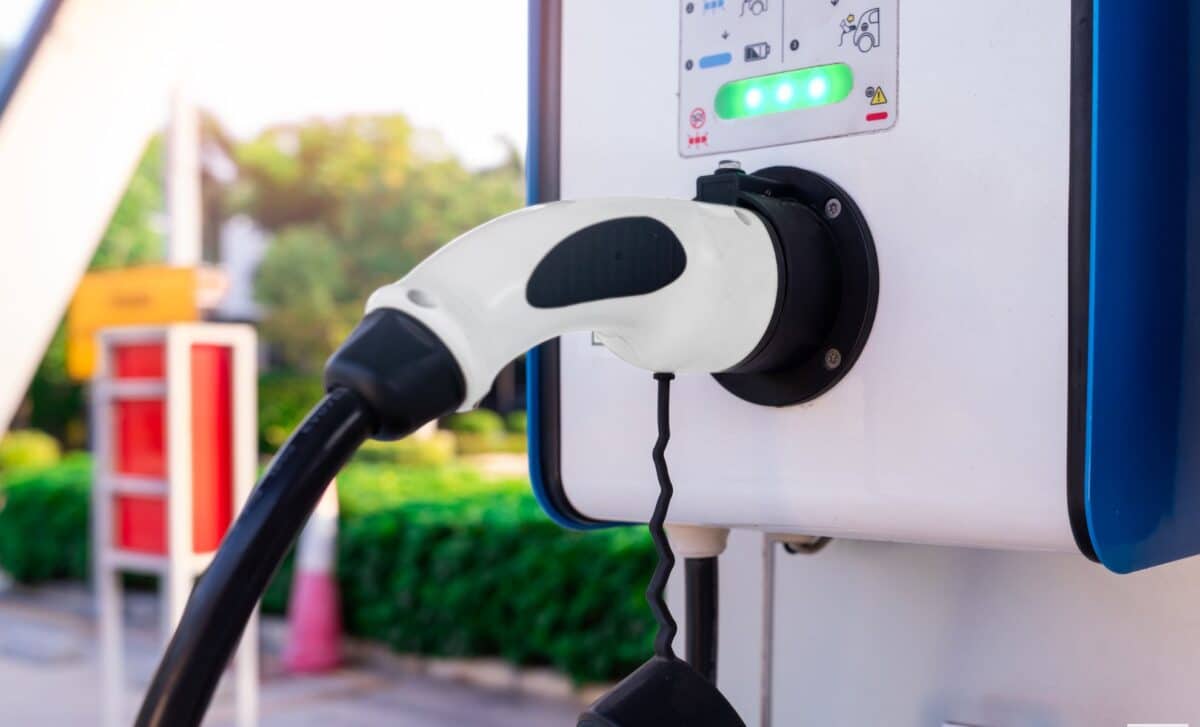
Planning ahead remains central to avoiding these situations. External factors such as cold weather can reduce estimated range overnight, as energy is used to maintain battery temperature. Anticipating these variations can help prevent unexpected drops in available driving distance.