


The contrast emerges at a time when the automotive sector is undergoing structural change. In Europe, electrified vehicles are increasingly central to overall market performance. In the United States, recent policy shifts have weighed on demand, reshaping short-term trends.
Beyond headline numbers, the data reflects deeper shifts in consumer behavior and industry dynamics. Electrification is not only expanding in Europe but also offsetting declines in traditional powertrains, while the U.S. market shows signs of contraction in the same segment.
European EV Registrations Rise Sharply Across the Region
According to the European Automobile Manufacturers’ Association (ACEA), 723,704 electric vehicles were registered in the European Union, the United Kingdom, and EFTA countries during the first quarter. This represents a 26.2% increase compared with the same period last year.
Registrations are commonly used as a proxy for sales, particularly when manufacturers do not disclose regional figures. Electric vehicles accounted for 20.6% of all new car registrations in Europe, reflecting their growing presence in the market.
The overall automotive market in the region also expanded, with total new-vehicle registrations increasing by 4.1%. Growth was not limited to fully electric models. Plug-in hybrid vehicles reached 354,700 units, up 32.4% year over year, while hybrid vehicles totaled 1,355,117 units, an increase of 11.4%.
U.S. EV Sales Decline as Incentives Disappear
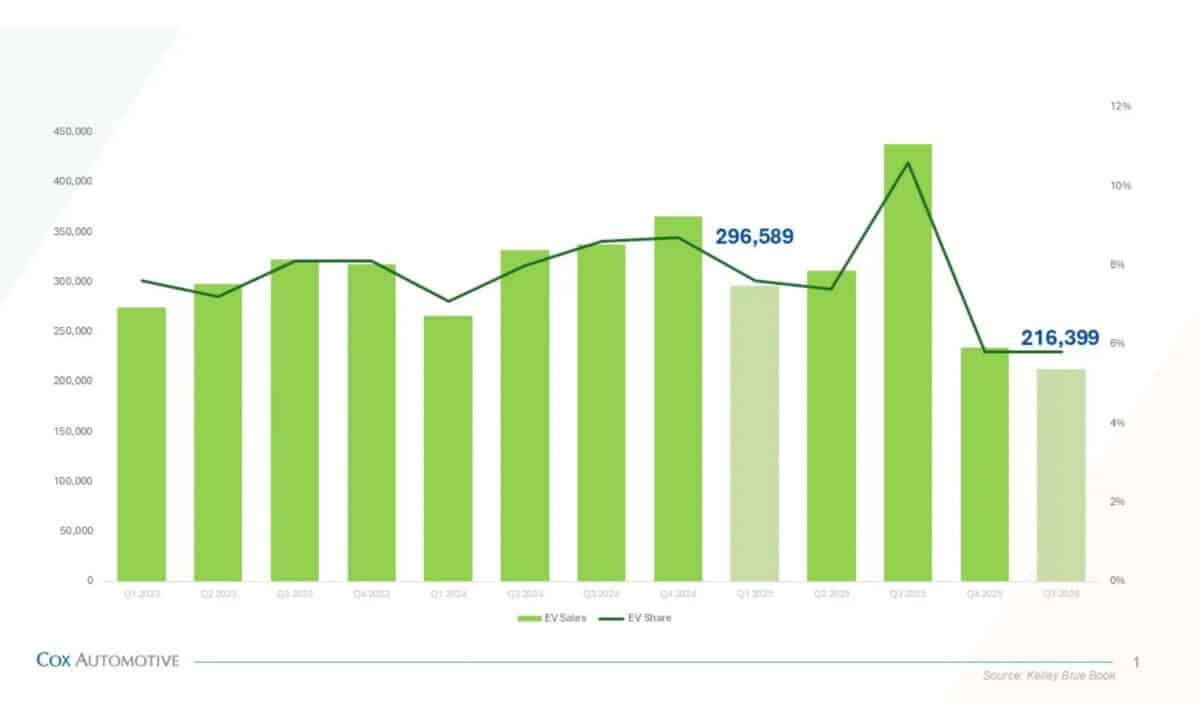
In the United States, the trend moved in the opposite direction. According to Cox Automotive, 216,339 electric vehicles were sold between January and March, a 27% drop compared with the previous year.
This total is more than three times lower than the European figure for the same period. Electric vehicles represented 5.8% of all new car sales in the U.S. during the first quarter, significantly below Europe’s share.
The decline follows the discontinuation of the $7,500 federal tax credit, which had previously supported EV adoption. The absence of this incentive had a substantial impact on demand, while European markets continue to benefit from various support measures.
Electrified Vehicles Offset Decline in Combustion Cars in Europe
Electrified vehicles are playing a stabilizing role in Europe’s automotive sector. According to ACEA data, sales of gasoline-powered cars fell by 17% in the first quarter, while diesel passenger vehicles declined by 16.4%.
At the same time, the growth of electric, plug-in hybrid, and hybrid vehicles is helping prevent the broader market from contracting. These segments now contribute significantly to keeping the industry in positive territory.
Within the EV market, Tesla recorded a rebound after weaker previous quarters. The company delivered 78,336 vehicles across the EU, UK, and EFTA regions between January and March, a 44.9% increase year over year. This represents a 10.8% share of total EV sales in the region.
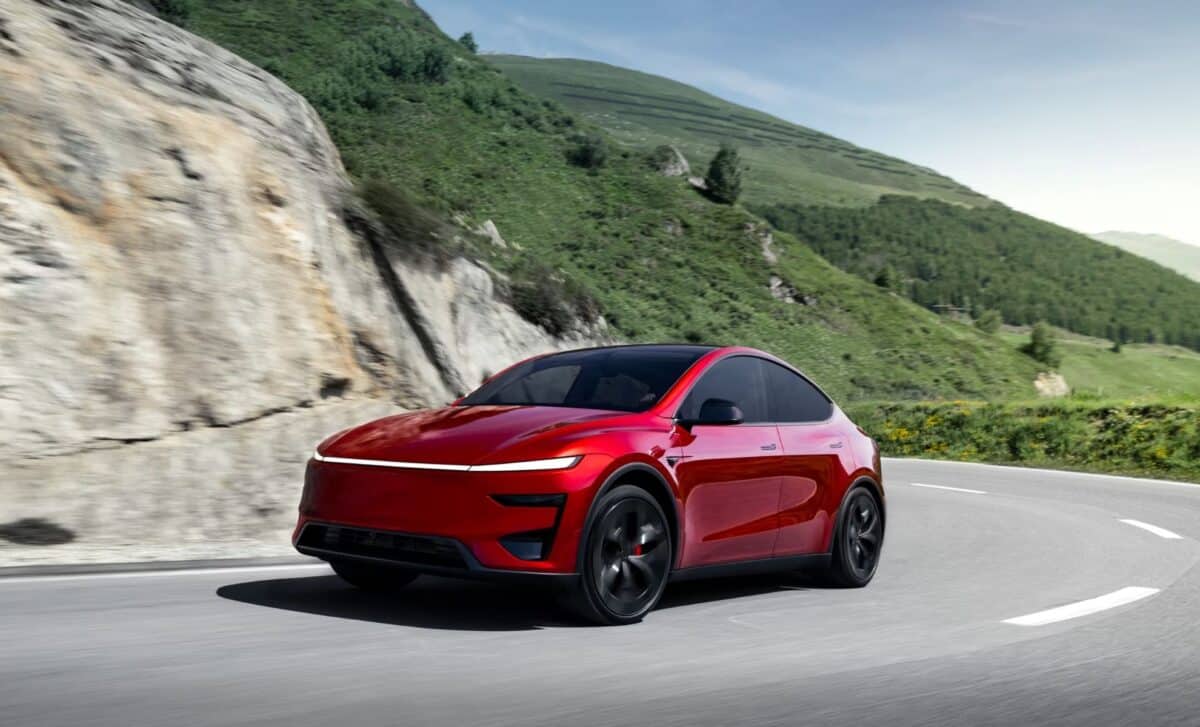
The Tesla Model Y stood out in monthly rankings. According to Data Force figures reported by Automotive News, it was the best-selling car in Europe in March and finished second for the quarter overall, with 51,468 units sold.