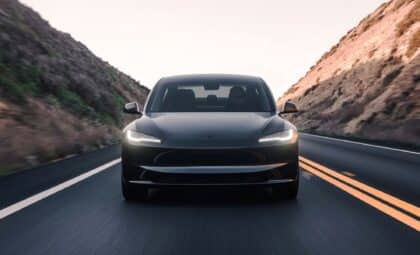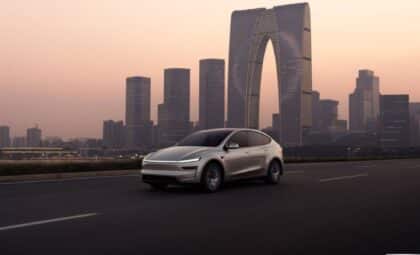
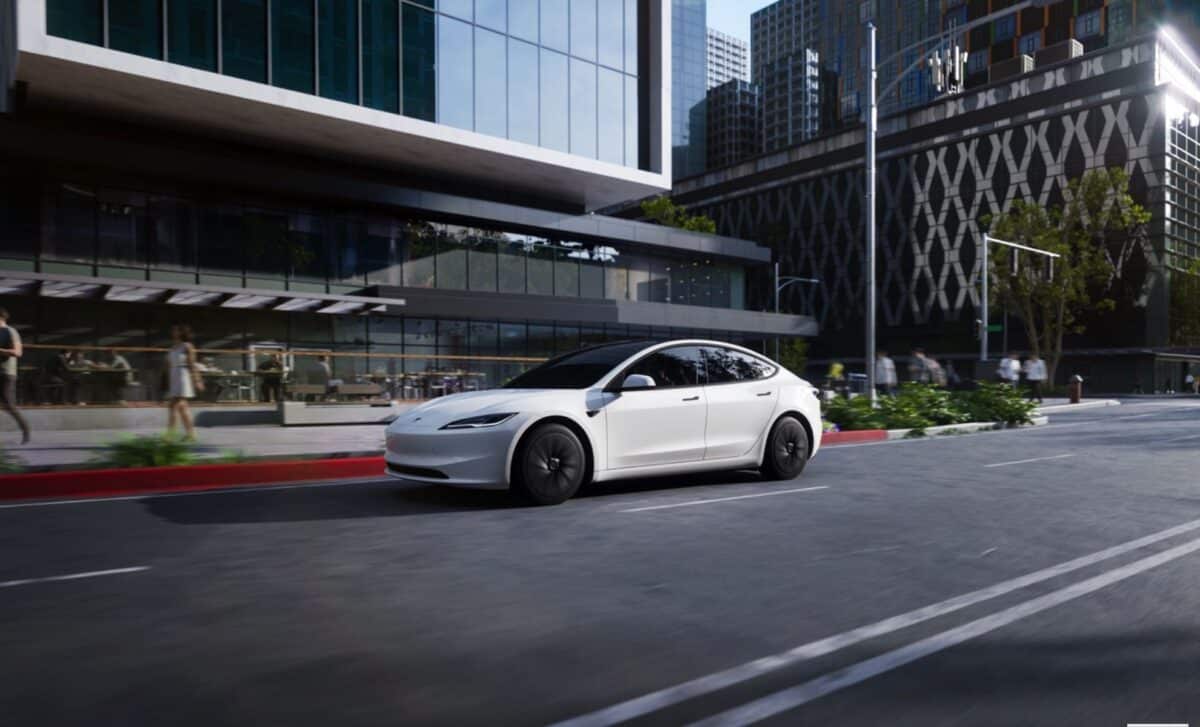
As interest in electric vehicles (EVs) continues to rise, particularly with soaring gas prices, consumers are on the lookout for budget-friendly options. The Tesla Model 3 RWD, priced at around $38,630 in the U.S., has already gained popularity in the EV market.
However, a new version of the Model 3, sold in Canada, offers an even lower entry price. This more affordable option, priced around $31,000, comes with trade-offs, including performance differences and the absence of certain rebates.
Tesla’s Strategy: Leveraging Trade Deals
The reduced price of the Model 3 in Canada is tied to trade agreements between Canada and China. According to Automotive News, Tesla is importing Shanghai-built Model 3s into Canada, taking advantage of a more favorable tariff structure.
Canada has a 6.1% tariff on Chinese-made vehicles, whereas U.S.-made products are subjected to a hefty 25% tariff. This difference is significant in the pricing of electric cars, particularly the Model 3 Long Range, which had reached nearly $80,000 CAD, or about $60,000 USD, due to the U.S. tariff.
The new Model 3 RWD Premium, starting at $39,490 CAD, works out to just under $31,000 when converted to U.S. dollars. Tesla has further reduced costs by offering specific color options at varying prices. Stealth Gray is the base option, while Pearl White and Deep Blue Metallic come with an additional $955 charge. For those looking to customize further, there are also upgrades for the interior and wheels. However, even with these costs, the Canadian price remains far lower than in the U.S.
Battery Technology And Performance Differences
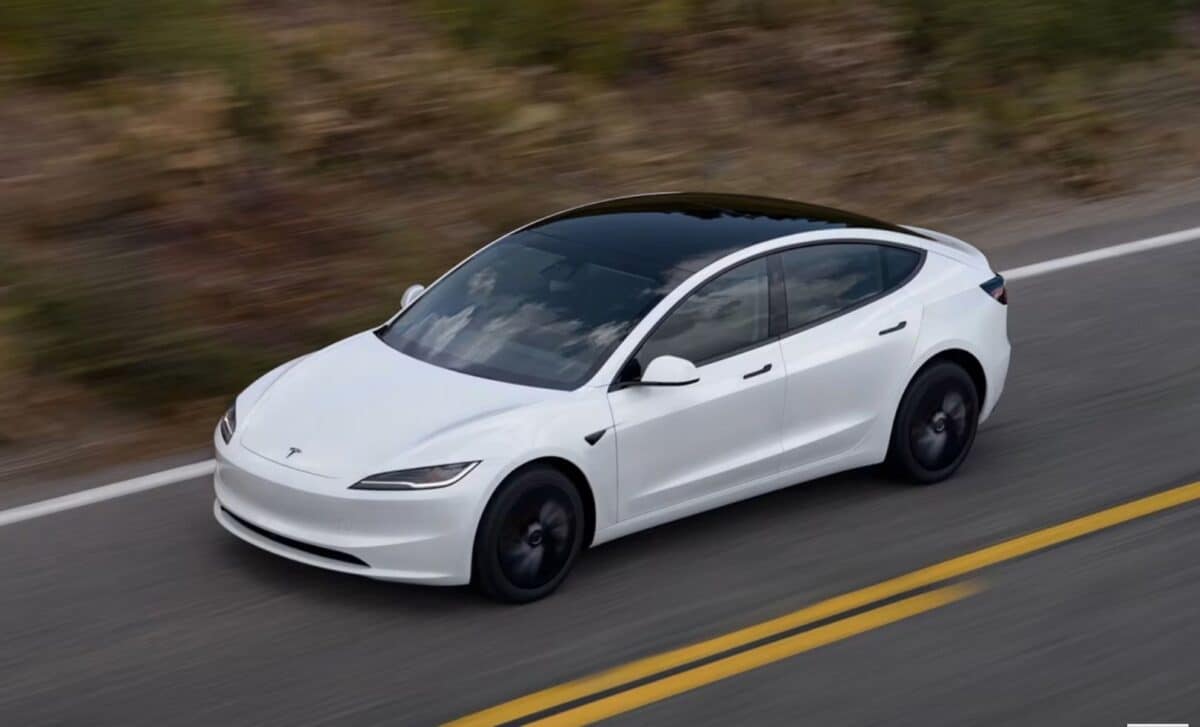
While the price difference is notable, the Shanghai-built Model 3 does not match the performance of its U.S.-manufactured counterpart. According to Tesla, the Chinese-made Model 3 has a slightly reduced range of 288 miles per charge, compared to the 321 miles offered by the American-made version, as reported by Motortrend. This difference is primarily due to the type of battery used—lithium iron phosphate (LFP) batteries in the Chinese model versus nickel cobalt manganese (NCM) cells in the U.S. version.
Charging capabilities are also affected. Despite the Chinese-built car being equipped with a 250-kW Supercharger, it can only gain up to 160 miles in 15 minutes. This is a 10-mile shortfall when compared to the U.S. version, which charges at a lower 225-kW rate but still manages to add more range in the same time.
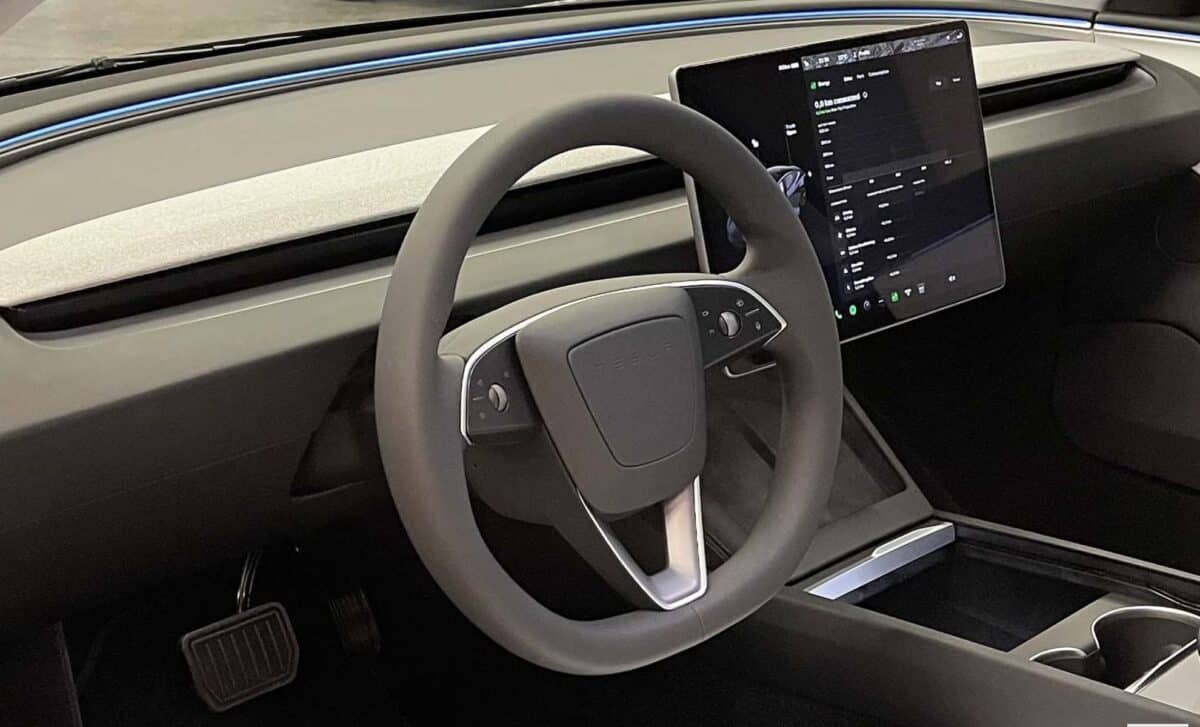
Canada’s EV Rebates: A Missed Opportunity
Despite the affordability of the Shanghai-made Model 3, Canadian buyers won’t be able to take advantage of the government’s $5,000 EV rebate. This is because the car does not qualify for the rebate due to the absence of a free-trade agreement between Canada and China, which is one of the key requirements for the program. As a result, while the vehicle is cheaper in Canada, buyers still face the challenge of higher up-front costs without access to the rebate that could make the purchase even more affordable.
Tesla’s decision to import these vehicles is also strategic in the context of the changing trade landscape. In January, Canada reduced the tariff on Chinese-made electric vehicles from 100% to 6.1% as part of a new trade deal between Canadian Prime Minister Mark Carney and Chinese President Xi Jinping.
This tariff reduction applies to a cap of 49,000 vehicles per year, a number set to increase to 70,000 within five years. However, U.S. customers are not able to benefit from these new arrangements, leaving them with higher prices and fewer options.

Tesla’s Canadian Move: A Shrewd Pricing Decision
This shift in Tesla’s strategy marks a turning point for the company’s global pricing and trade dynamics. While U.S. buyers will have to settle for higher-priced models, Canadian customers are enjoying a lower-cost alternative, albeit with some compromises.
Tesla’s ability to take advantage of international trade deals illustrates how the company continues to adapt its pricing structure based on regional economic policies, but it also highlights the broader issues of trade imbalances and the impact tariffs have on the EV market.
As the electric vehicle market continues to evolve, it will be interesting to see how manufacturers like Tesla navigate global trade agreements and regional pricing to stay competitive. For now, Canadian buyers are getting a rare deal that American consumers won’t be able to replicate anytime soon.