
A typical passenger-car manual transmission, excluding wear items such as the clutch and transmission fluid, is generally considered capable of lasting between 150,000 and 200,000 miles. In everyday use, that can represent roughly a decade of daily driving before major internal work may become necessary, provided maintenance has been carried out properly.
Manual gearboxes occupy a distinct place in modern automotive engineering. While automated systems and dual-clutch transmissions have become widespread, traditional manuals and automated manuals that still rely on a clutch remain appreciated for their rugged construction and relatively straightforward mechanical design.
Longevity, though, is not determined by design alone. Maintenance schedules, fluid servicing, and driver behavior all influence how long a transmission continues operating properly. Because manual gear changes involve direct driver input, usage patterns can create a wider range of outcomes than with more automated systems.
Why Manual Transmissions Can Last Longer than Expected
Manual transmissions benefit from having fewer operating systems involved in the shifting process. Traditional manuals do not require computers, hydraulic systems, or shift-control solenoids to select gears. The responsibility for gear changes remains with the driver.
That simplicity can contribute to durability, though only if the transmission is not subjected to repeated strain. Driver behavior becomes a significant factor because improper shifting practices may accelerate wear.
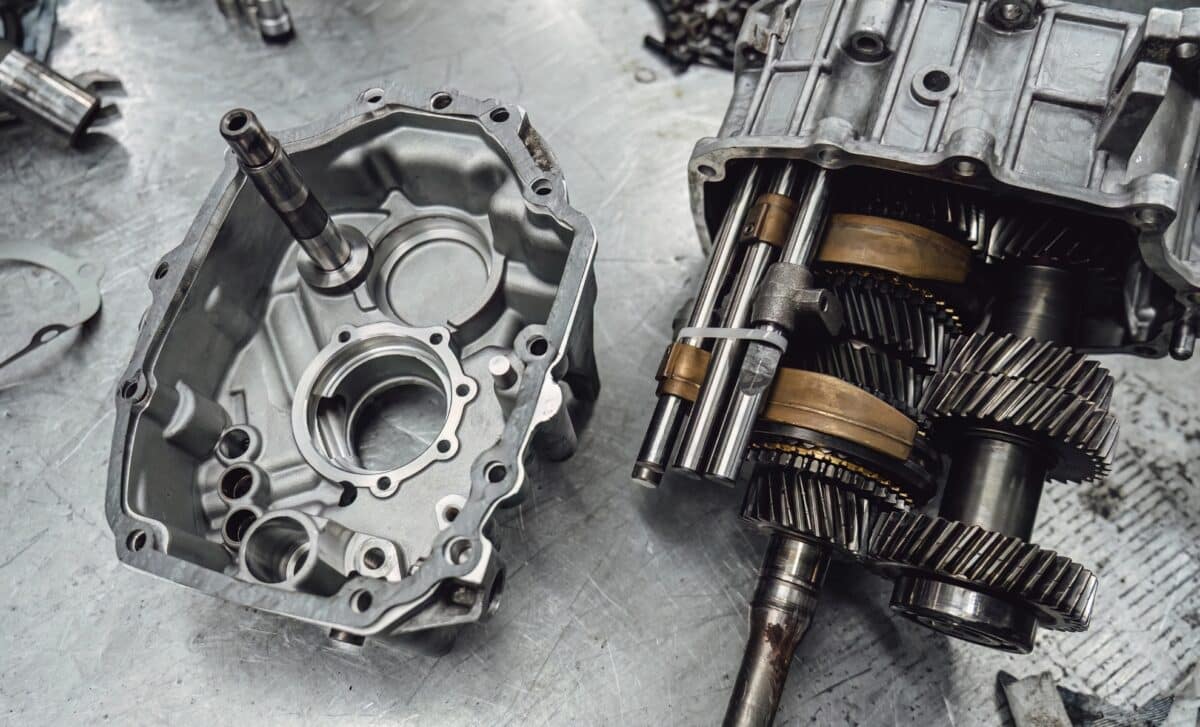
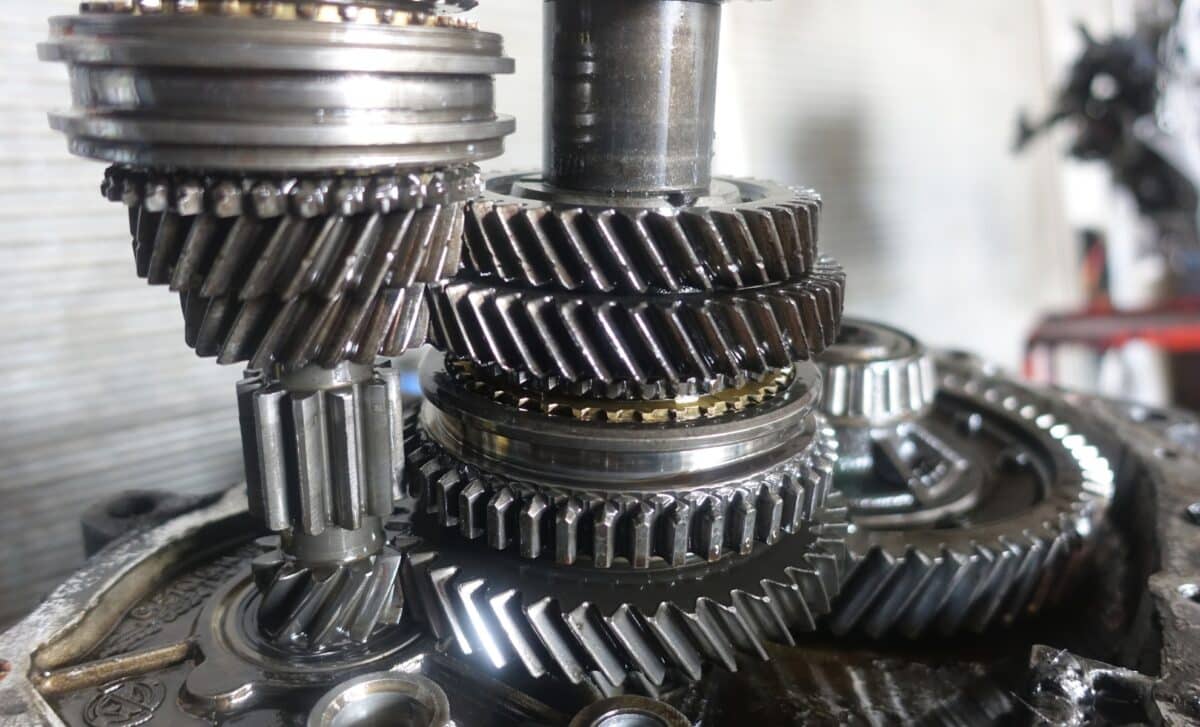
One example involves the synchronizer system inside the gearbox. Manual transmissions contain both an input shaft and an output shaft, which rotate at different speeds depending on the selected gear. Synchronizers match those rotational speeds to enable smooth gear engagement. According to SlashGear, older vehicles may use softer materials such as brass for these components, making them more vulnerable to aggressive shifting habits. Excessive force during gear changes may eventually lead to shifting problems and require transmission rebuilding.
Driving Habits and Maintenance That Influence Transmission Life
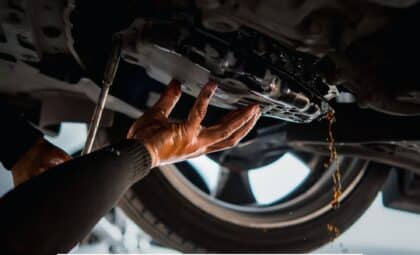
Routine maintenance remains one of the most direct ways to preserve transmission lifespan. Following manufacturer-recommended service intervals, including fluid changes, is presented as a key factor in extending durability.
Beyond scheduled servicing, driving technique also matters. Occasional stalls or isolated missed shifts generally do not cause lasting damage unless they happen repeatedly. Long-term issues tend to arise from consistent mechanical stress rather than isolated mistakes.
Several practices are identified as helpful for reducing wear: avoiding riding the clutch pedal while driving, not forcing the transmission into gear, and shifting into neutral during extended stops. Every transmission is designed around a specific torque rating, and remaining below that threshold helps reduce strain on internal components.

Signs a Manual Transmission May Be Approaching Failure
For buyers of used, high-mileage vehicles, transmission concerns are common, but serious failures are often preceded by noticeable symptoms rather than appearing suddenly.
Manual transmissions contain continuously meshing gears and moving mechanical components, which means developing issues often produce identifiable warning signs. A slipping clutch or rough clutch feel may point only to clutch wear and not necessarily transmission damage.
Other symptoms may be less straightforward. Strange noises or difficult gear changes can sometimes be linked to degraded transmission fluid. A vehicle becoming stuck in gear or unexpectedly jumping out of gear may indicate worn synchronizers.
Not all of these problems automatically require a full rebuild, and in some cases replacing transmission fluid may resolve the issue. Manual transmission fluid itself follows regular service intervals.
More severe warning signs include excessive heat, unexpected malfunctions, and the presence of metal particles in the transmission fluid. When those conditions appear, the source recommends having the transmission inspected more closely by a repair shop.