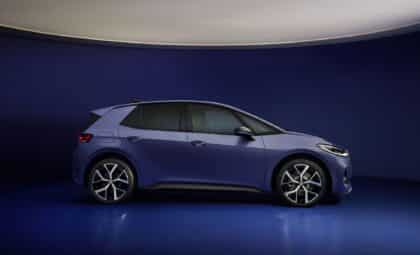

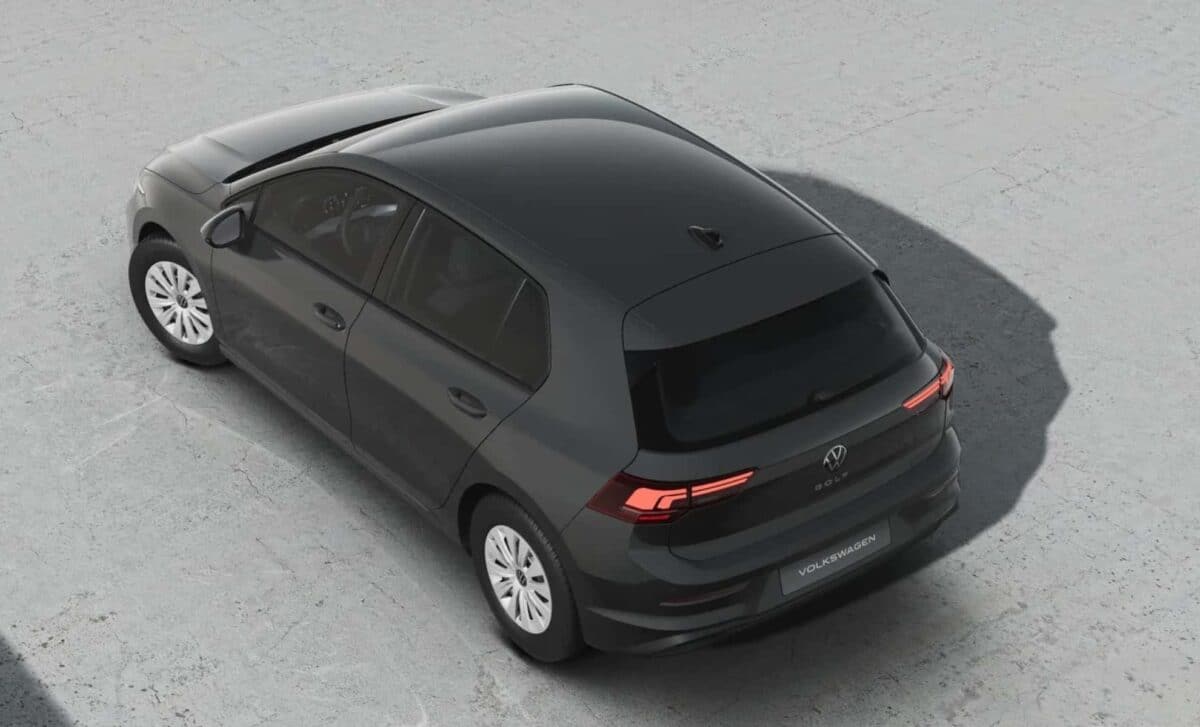
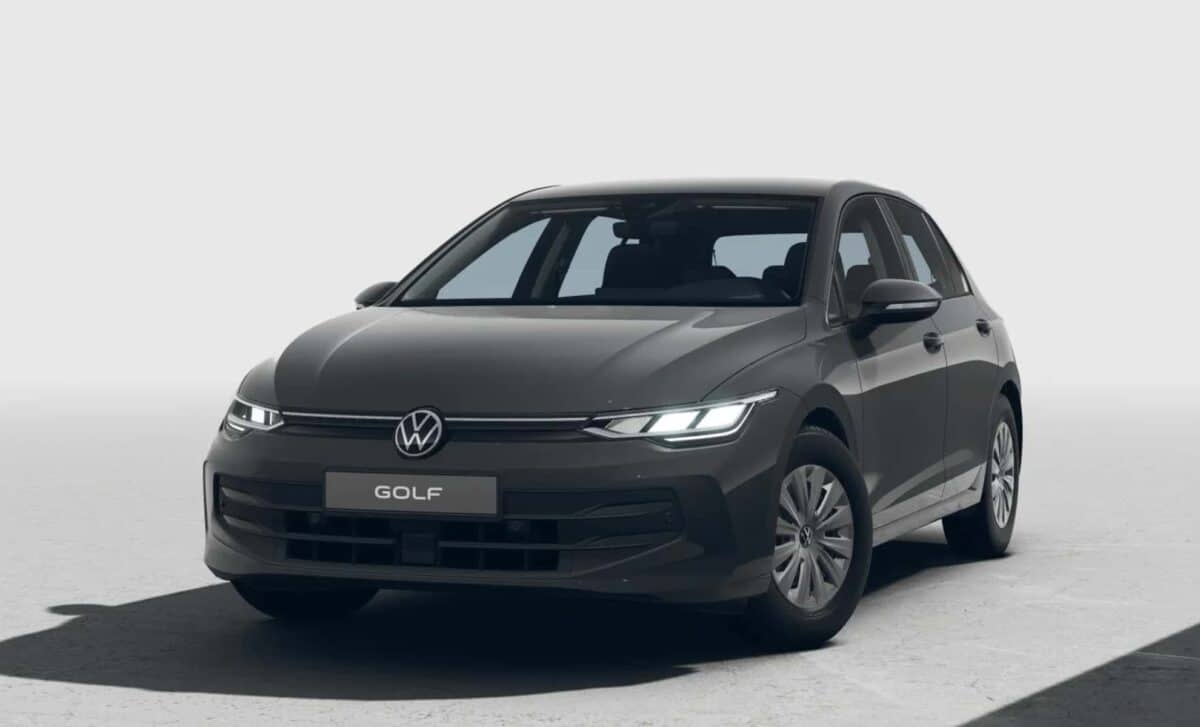
The Golf has long offered a wide range of trims and powertrains in Europe, including gasoline, diesel, and plug-in hybrid variants, as well as manual transmissions. In contrast, the US market has only seen the eighth-generation Golf as front- or all-wheel-drive hot hatches, leaving out many of the model’s more practical and economical options. Shifting production to Puebla opens opportunities to bring additional Golf variants to North America.
Volkswagen’s current strategy limits the US to the GTI and R, priced at $35,865 and $50,730 respectively. Introducing cheaper versions could provide more competitive alternatives, especially as the Jetta and Taos remain the only sub-$30,000 models in Volkswagen’s US lineup. The company has hinted that it could continue selling the current-generation Golf even after the fully electric Mk9 arrives, expected no earlier than 2030.
Production Move to Mexico Enables New Variants
Volkswagen announced that Golf production will move from Wolfsburg, Germany, to Puebla, Mexico, in 2027. According to VW Group of America CEO Kjell Gruner, producing the Golf in North America creates opportunities to offer additional variants.
He did not specify which trims might be available, but the move increases the likelihood that more affordable options could reach US buyers. Mexico has a long history of producing Golfs, having handled every previous generation of the model. This continuity could make it easier for VW to reintroduce variants that were previously unavailable in the United States.
Tariff Considerations May Influence Model Selection
Gruner also emphasized that any new Golf variants must make sense from a tariff perspective. A 25 percent tariff on a low-end Golf imported from Mexico would make an entry-level version less viable.
According to his statement, Volkswagen would likely focus on better-equipped models to maintain profitability rather than simply offering the base model. These considerations suggest that any new US Golf trims could sit between the existing Jetta and Taos in terms of price, balancing accessibility with cost efficiency.
Potential Impact on US Sales
Expanding the Golf lineup could help Volkswagen address recent declines in US sales. According to Motor1, total Volkswagen deliveries fell 13 percent in 2025 to 329,813 units, and first-quarter sales in the following year dropped 16.1 percent to 73,803 cars. Introducing more attainable Golf variants might attract buyers seeking compact hatchbacks below the GTI and R price points. Analysts note that a regular Golf in the US could be positioned closer to the $25,270 starting price of the Jetta, providing a more affordable option for customers.
As Volkswagen evaluates its next steps, the Golf’s presence in the US could expand beyond the high-performance models, offering a wider choice of trims and price points while leveraging production in Mexico to navigate tariffs and profitability.