C
Volkswagen Group has entered a new phase of its restructuring program. During its annual general meeting this week, the company presented eight key initiatives designed to reshape its operations and improve profitability in the years ahead.
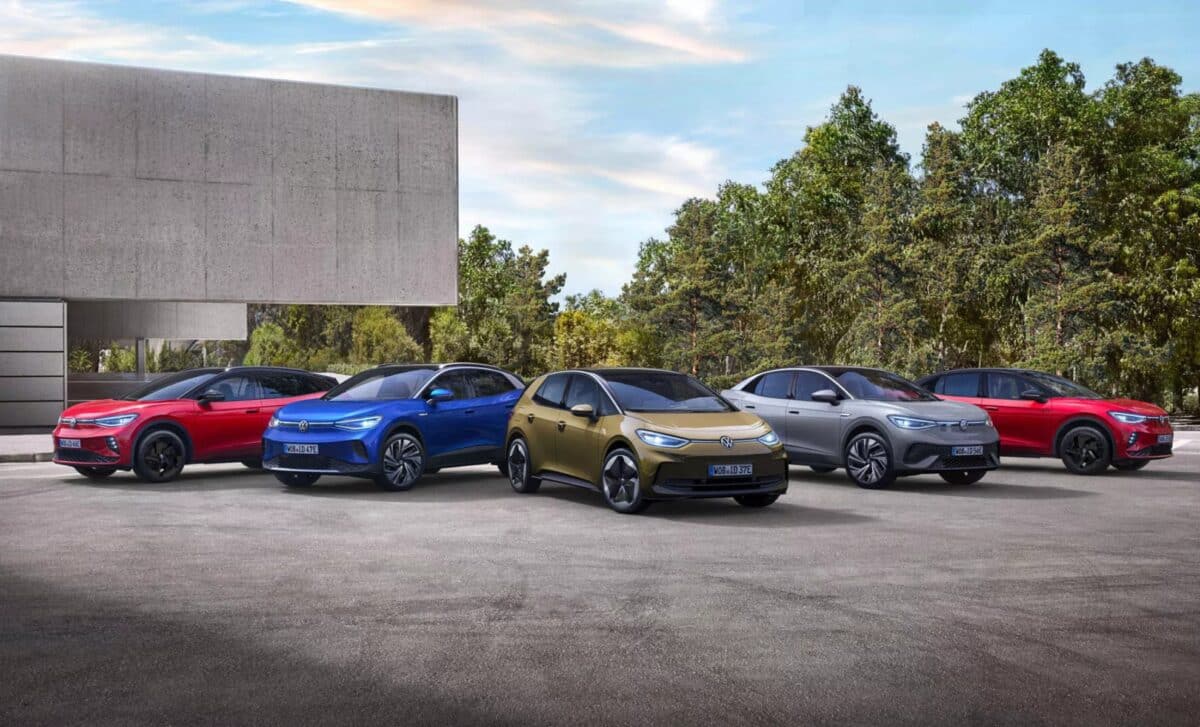
At the center of the plan is a decision to reduce complexity throughout the group’s lineup. Much like Toyota’s recent efforts to streamline its range, Volkswagen intends to focus more heavily on vehicles that sell in greater numbers rather than maintaining a large number of lower-volume models.
Volkswagen Wants Fewer Models and Variants
The first initiative unveiled by the company focuses on simplifying its portfolio. According to Volkswagen Group, the objective is to make its range easier for customers to navigate while aligning products more closely with regional demand.
The company stated that it wants to “make navigating the range of models and variants easier” and “focus even more closely on the expectations of customers in the regions.” Volkswagen added that the approach should generate higher volumes per model.
The measure reflects a broader effort to reduce complexity across the organization. The company believes concentrating resources on stronger-selling products will help improve efficiency while reducing the burden associated with maintaining a large number of model variations.
Platform Reductions and Factory Adjustments Are Also Planned
The simplification of the model range is expected to have consequences beyond the product portfolio itself. Volkswagen Group also intends to reduce the number of platforms and electronic architectures used across its brands.
The company says this move should lower costs, reduce complexity, and speed up vehicle development. It is the second major initiative outlined during the annual general meeting.
A third measure targets manufacturing overcapacity. Volkswagen plans to address situations where factory output exceeds demand for the vehicles being produced. The company presented these actions as part of a wider transformation process that it expects will deliver annual net cost savings of more than €6 billion by 2030.
Volkswagen Group CEO Oliver Blume acknowledged that “the situation remains challenging” while expressing confidence in the company’s direction.
Cost Cuts Continue as Some Models Leave the Lineup
The latest announcements come amid an extensive cost-cutting program already underway throughout the group. Factory costs at Volkswagen’s German plants were reduced by more than 20 percent during 2025 alone.
The company also plans to eliminate as many as 50,000 jobs across Volkswagen, Audi, Porsche and software subsidiary CARIAD by the end of the decade. Agreements covering more than 28,000 employees have already been signed.
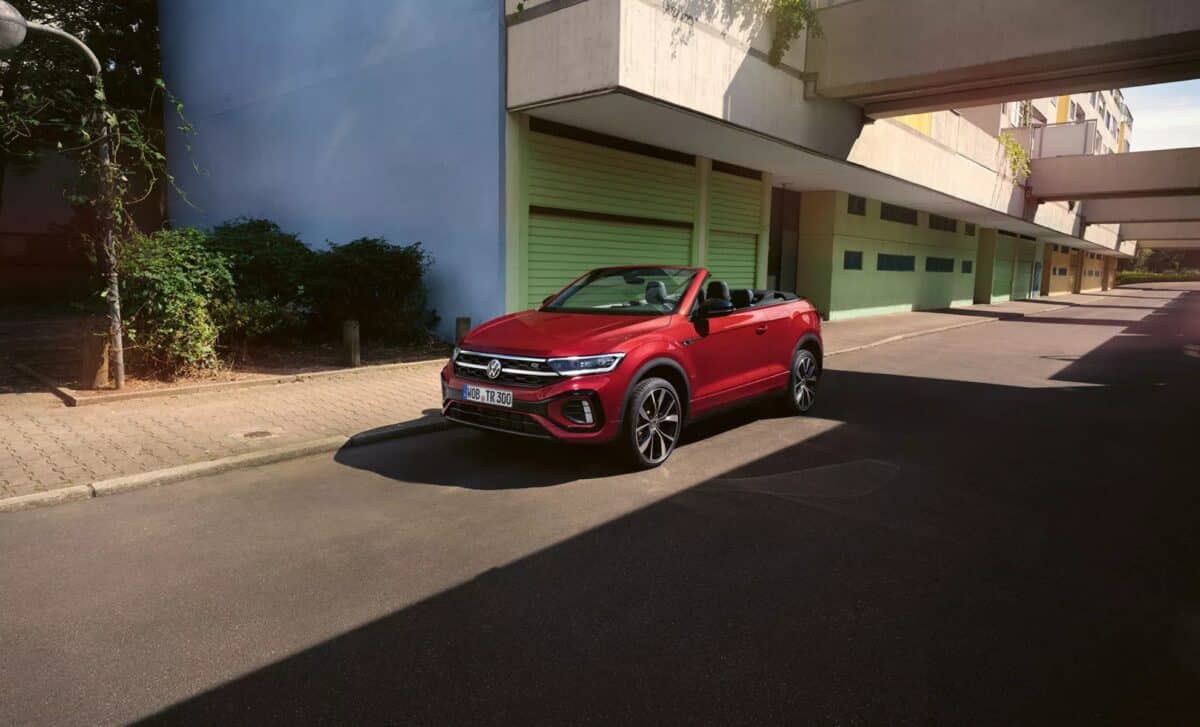
While Volkswagen has not yet disclosed which additional models could be affected by the simplification strategy, several vehicles have already been discontinued. Audi recently ended production of the A1 and Q2, while Volkswagen dropped the Touran minivan. The T-Roc Cabriolet is also scheduled to leave the range in 2027.
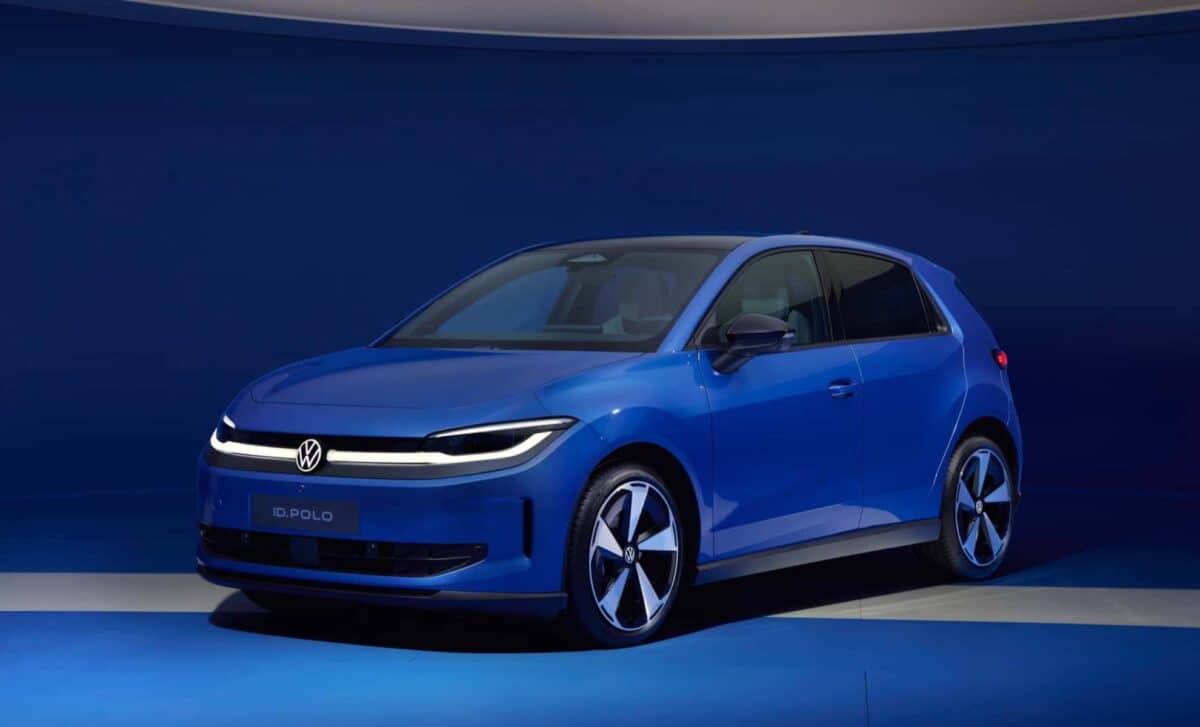
The reduction effort does not signal a slowdown in new product launches. The group introduced more than 30 new models last year and plans to launch another 20 in 2026. Vehicles already revealed this year include the ID. Polo, Cupra Raval, Skoda Epiq and Audi A6 Allroad.
Audi is also preparing the return of the A2 as an entry-level electric model later this year, while Skoda is expected to unveil its seven-seat Peaq electric SUV within days.