Volkswagen has unveiled the new Atlas ahead of its arrival this fall. While the model retains the recognizable shape that has defined the SUV since its launch in 2018, nearly every area of the vehicle has been updated, from its exterior design and powertrain to its cabin technology and driver-assistance systems.
Built on the MQB Evo platform, an evolution of the architecture used by the previous Atlas, the 2027 model grows by roughly one inch in length. Its width, height, and wheelbase remain unchanged. Volkswagen has paired the refreshed design with a more upscale interior and a revised version of its EA888 turbocharged four-cylinder engine.
Updated Turbocharged Engine Boosts Horsepower While Improving Efficiency
The 2027 Atlas is powered by the latest version of Volkswagen’s EA888 2.0-liter turbocharged four-cylinder engine. Output rises by 13 horsepower to 282 hp, while torque decreases from 273 lb-ft to 258 lb-ft.
The engine remains paired with an eight-speed automatic transmission. Front-wheel drive is standard, while all-wheel drive continues to be offered as an option. The Atlas also retains its maximum towing capacity of 5,000 pounds.
According to EPA estimates released by Volkswagen, front-wheel-drive models achieve 22 mpg in city driving, 29 mpg on the highway, and 25 mpg combined. All-wheel-drive variants are rated at 20 mpg city, 27 mpg highway, and 23 mpg combined.
Volkswagen has also stated that a hybrid version is planned as part of a future mid-cycle update.
Exterior Redesign Introduces New Lighting Signatures and Fresh Details
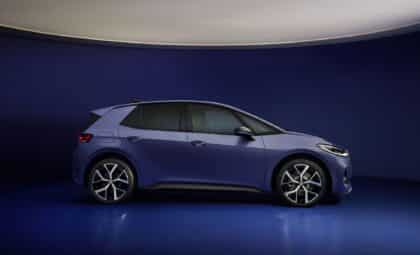
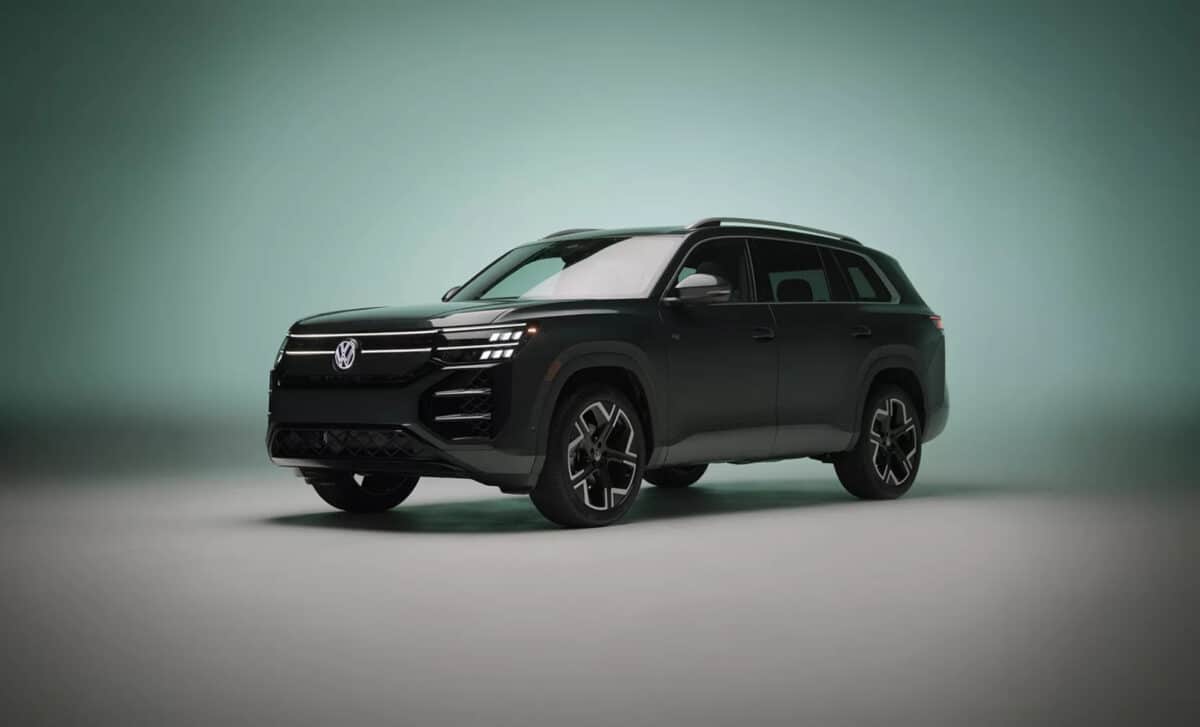
Although the overall proportions remain familiar, the Atlas receives entirely new sheet metal while preserving its boxy profile and pronounced fenders. The SUV adopts sharper design elements at both ends and introduces several new lighting features.
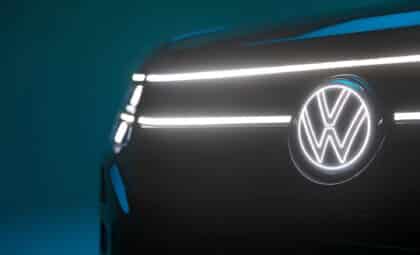
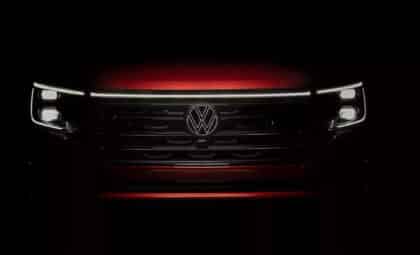
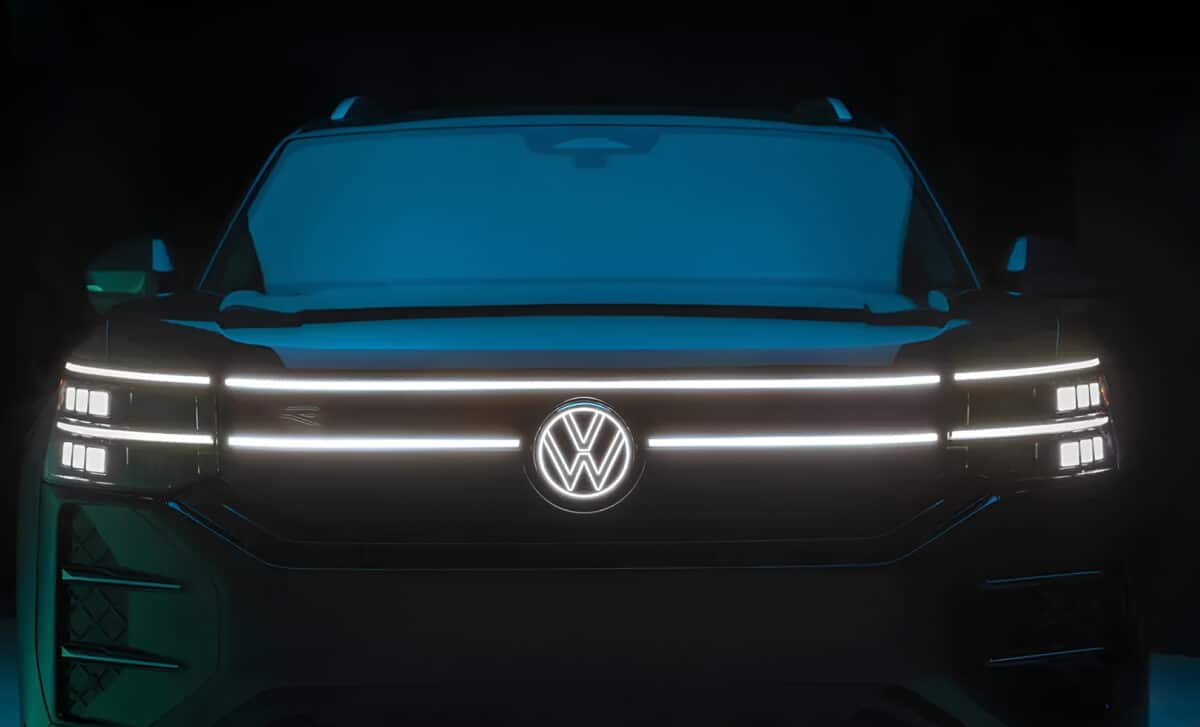
At the front, two LED light strips extend from the headlights across the grille. The grille itself now incorporates a body-colored center panel. An illuminated Volkswagen badge intersects the lower light bar, a feature fitted to all trims except the entry-level version.
As reported by Car and Driver, a Volkswagen representative described the brand’s design direction by saying, “Lighting is the new chrome.”
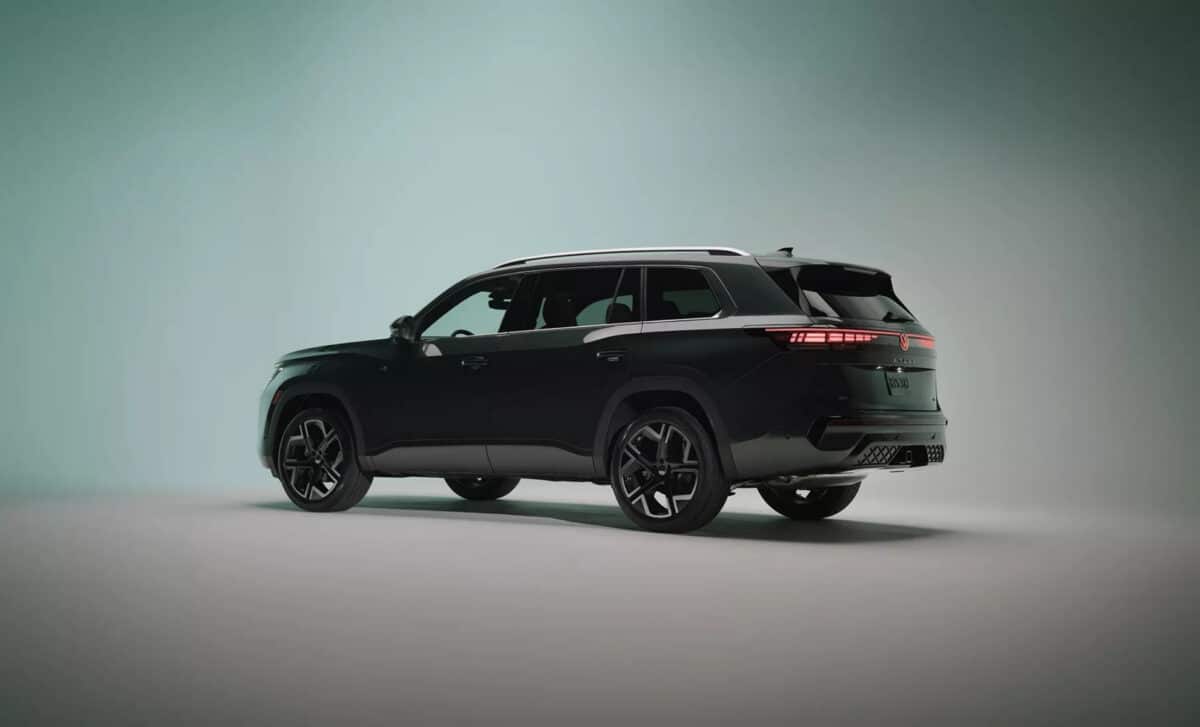
The front bumper features a wide trapezoidal lower grille bordered by large vents positioned beneath the headlights. Along the sides, a higher character line replaces the previous treatment, while the rear side glass no longer kicks upward. At the rear, the Atlas gains a larger spoiler and a full-width taillight incorporating LED square elements that mirror the headlight design.
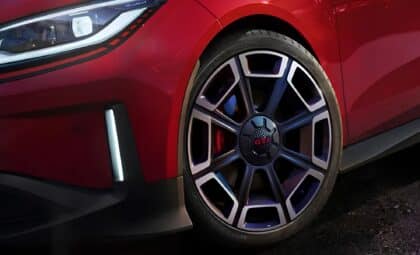
Buyers can select from new 20-inch and 21-inch alloy wheels on higher trims, while the base model rides on 18-inch wheels. Three new exterior colors join the range: Blackberry, Sandstone, and Sacramento Green. Illuminated door handles are available for both the front and rear doors.
Cabin Overhaul Focuses on Technology, Comfort, and Safety
The interior receives one of the most extensive updates. Wood trim now stretches across the dashboard on every Atlas, while ambient lighting becomes a central design feature throughout the cabin.
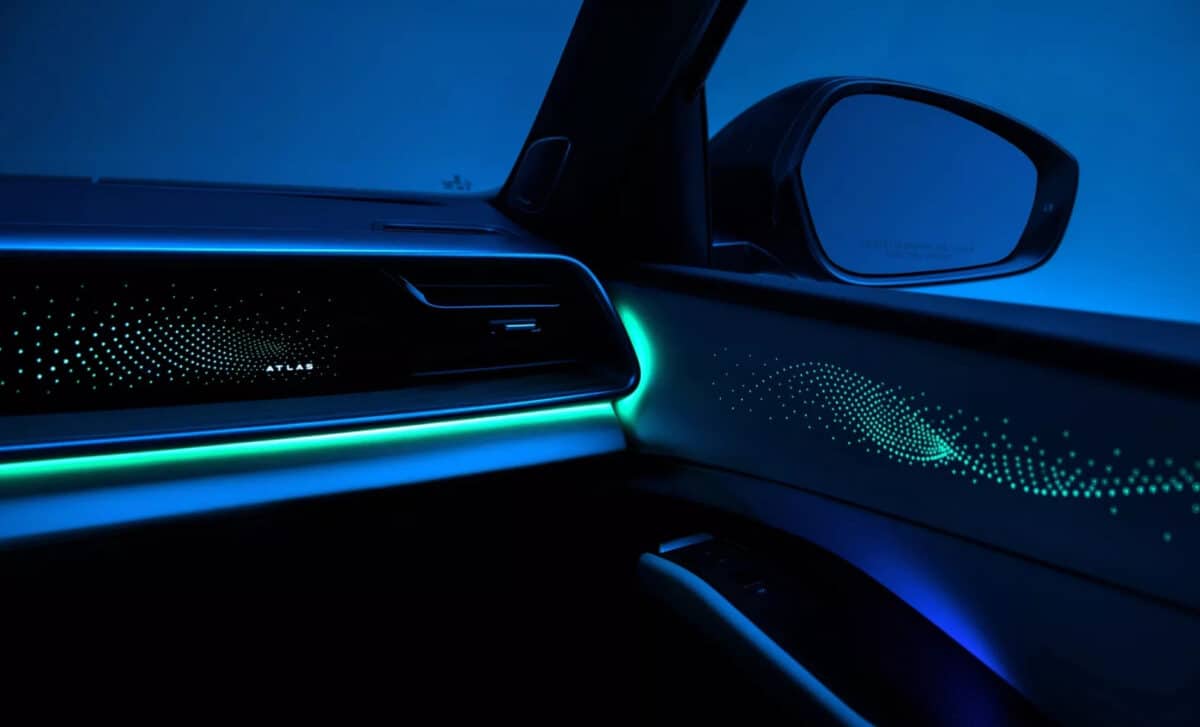
A continuous illuminated band runs across the dashboard. On the two highest trims, spiral-shaped perforations on the front and rear doors are backlit, matching an illuminated spiral display on the passenger side of the dashboard. Ten lighting colors are included as standard, while SEL and SEL Premium R-Line models offer 30 colors. The lighting can also change to blue or red during temperature adjustments and pulse orange when the hazard lights are activated.
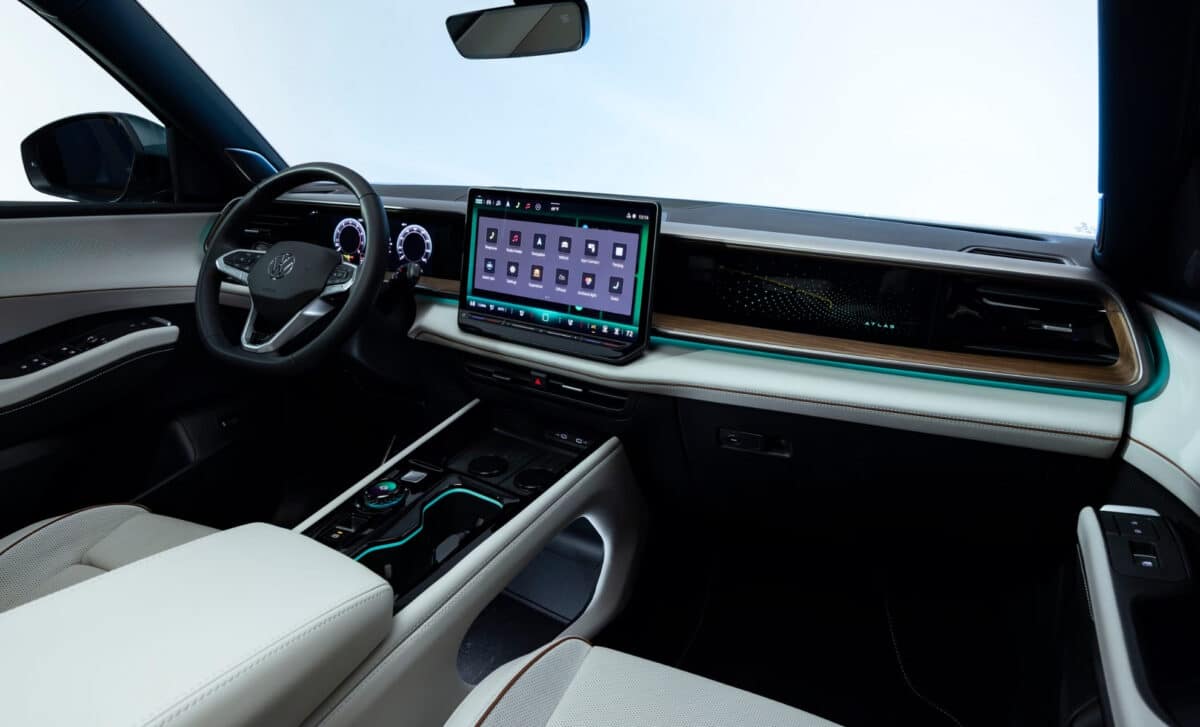
A new multifunction control dial appears on the center console. The dial normally controls audio volume, though pressing the small integrated screen transforms it into a drive-mode selector. Swiping left on the display allows users to access “Atmospheres,” a function that combines lighting and audio settings.
Most Atlas trims feature a 15-inch central touchscreen, while the base model receives a 12.9-inch display. Every version includes a 10.3-inch digital instrument cluster.
Volkswagen has relocated the gear selector to the steering column, freeing space in the center console for two Qi2 wireless charging pads. According to Volkswagen, the chargers use magnets to hold phones in place and are designed to prevent devices from overheating.
Three interior color schemes are available: light gray, black and dark gray, and a new Deep Wine option. Upholstery choices include synthetic leatherette on the base trim, Varenna leather on the SEL, and Nappa leather on the SEL Premium R-Line.
The list of new standard equipment includes a power liftgate, rear sunshades, an auto-dimming driver-side mirror, front and rear park-distance control, two cargo-area lights, and a nine-speaker audio system, replacing the previous six-speaker setup. A 14-speaker Harman/Kardon sound system is available on the top trim.
Rear passengers benefit from new B-pillar air vents, and ventilated second-row seats are now offered. The driver’s seat comes standard with 12-way adjustment and four-way lumbar support, while upper trims can be equipped with a massage function. Captain’s chairs for the second row and a panoramic sunroof remain available across much of the lineup.
Volkswagen has also expanded the Atlas’ safety equipment. A front-center airbag is now included, while Travel Assist has been upgraded to perform driver-initiated lane changes. The system combines adaptive cruise control and lane-keeping functions and can control steering, braking, and acceleration between 0 and 95 mph.
Emergency Assist can slow the vehicle and move it to the side of the road if a potential medical emergency is detected. Park Assist Plus is also added to the highest trim level.
Volkswagen said additional details and pricing will be announced before the 2027 Atlas reaches dealerships this fall. The 2026 Atlas currently starts at $40,785.