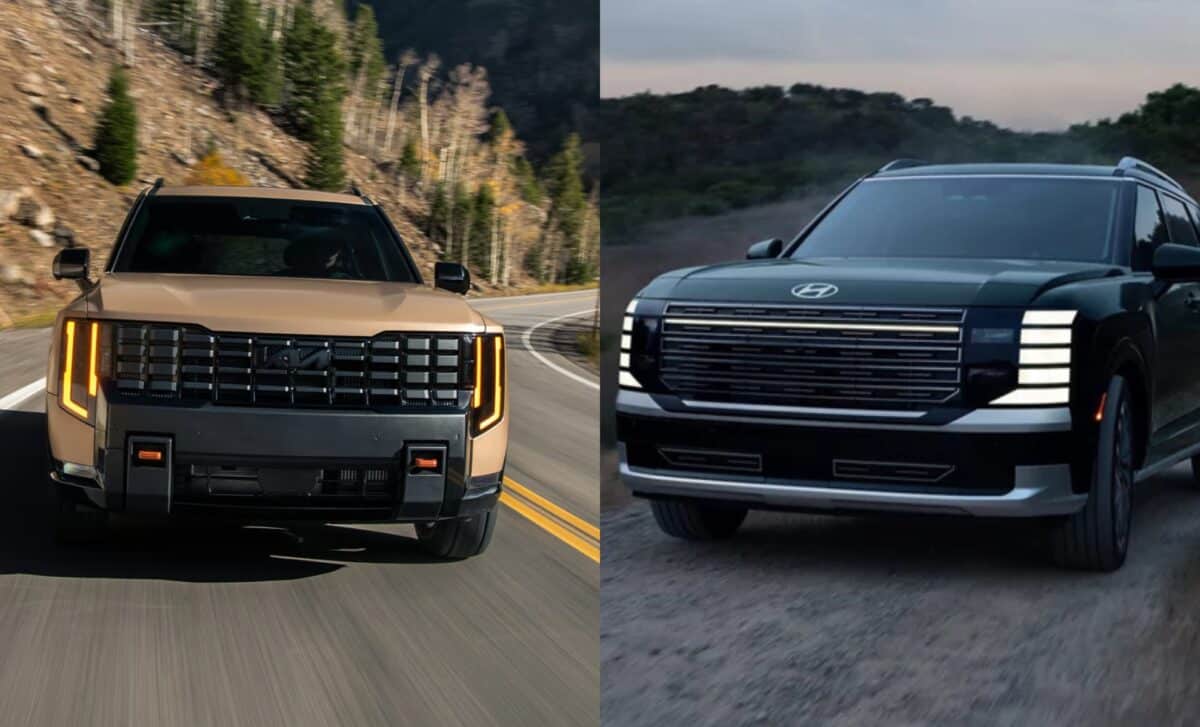
A few years after becoming two of the most successful large family SUVs in North America, the Telluride and Palisade return with significant changes. Both models were originally developed by Hyundai Motor Group’s North American design studios with the goal of meeting the specific needs of American families, combining spacious interiors, usable third rows, and upscale features at mainstream prices.
For the latest generation, both manufacturers moved away from the conservative styling that helped establish their popularity. The redesigns introduce more distinctive design languages while also bringing major mechanical updates, including the arrival of a shared hybrid powertrain and, in the Telluride’s case, the replacement of its naturally aspirated V6 engine with a turbocharged four-cylinder.
Pricing, Trim Levels, and the Arrival of Hybrid Power
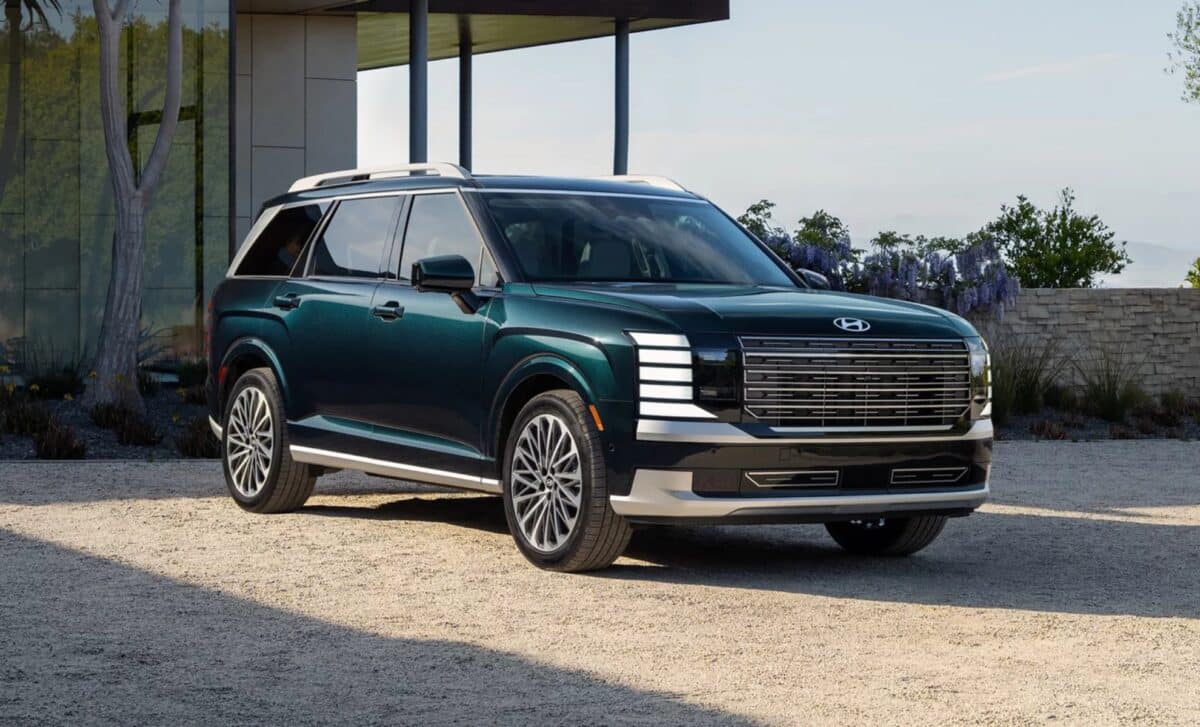
Although they share the same platform, the Telluride and Palisade follow different pricing and positioning strategies. The gas-powered 2027 Kia Telluride is available in 10 trim levels, while the gas-only Hyundai Palisade lineup consists of seven trims. The Telluride LX starts at $39,190, while the Palisade begins at $39,435.
At the upper end of the range, the Telluride X-Pro SX Prestige carries an MSRP of $56,790. Hyundai’s most expensive gas-only model, the Palisade Calligraphy, starts at $56,780.
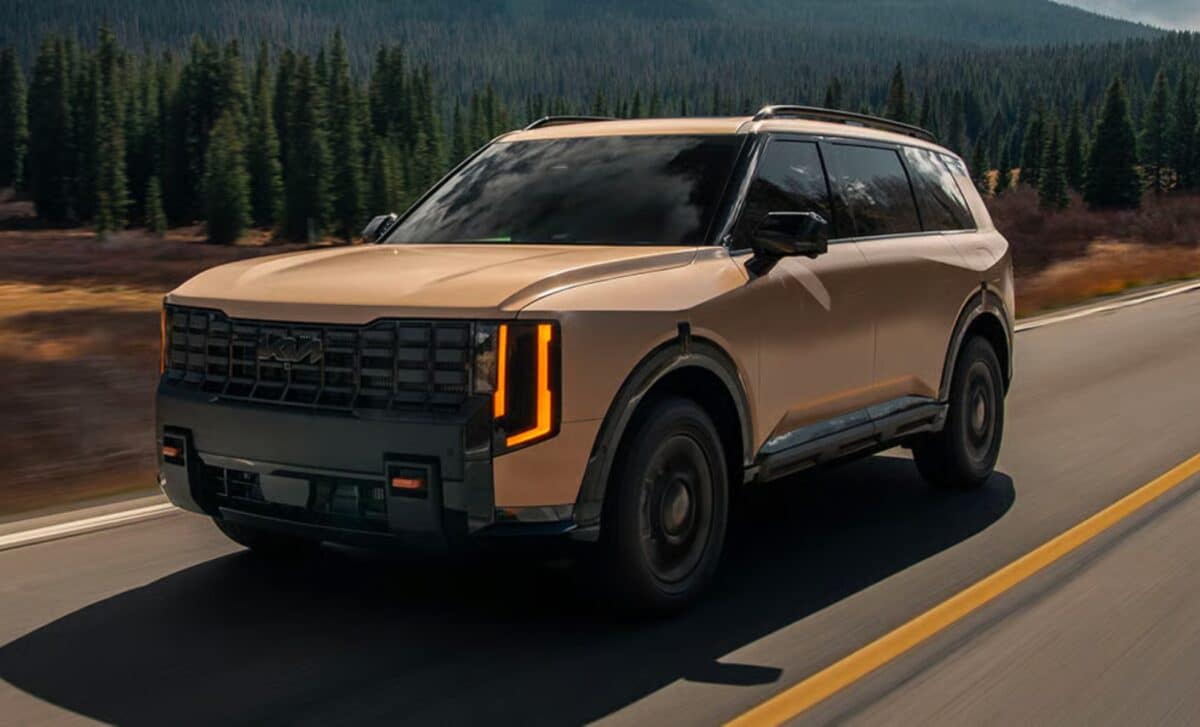
The biggest change for this generation is the introduction of hybrid variants. Both SUVs use Hyundai Motor Group’s shared 2.5-liter turbocharged four-cylinder hybrid system, producing 329 horsepower and 339 lb-ft of torque. The hybrid setup delivered approximately 25 mpg combined in real-world testing, compared with 19.5 mpg for the gas-only versions.
Hybrid pricing starts at $46,490 for the Telluride and $44,160 for the Palisade. At the top of the range, the Palisade Calligraphy AWD Hybrid reaches $58,380, while the Telluride X-Line SX Prestige Hybrid tops out at $57,590.
Kia positions the Telluride further upmarket through trims such as the X-Pro SX Prestige AWD, combining luxury features with rugged hardware. Hyundai’s Calligraphy trim places greater emphasis on luxury-oriented appointments and technology.
Interior Space Reveals Different Strengths
Both SUVs benefit from a shared 116.9-inch wheelbase and larger dimensions than their predecessors, resulting in increased passenger and cargo capacity.
The Telluride offers slightly more cargo space throughout the cabin. With all three rows in use, it provides 22.3 cubic feet of cargo capacity compared with 21.5 cubic feet for the Palisade. Behind the second row, the Telluride offers 48.5 cubic feet, while the Palisade provides 46.8 cubic feet.
Passenger accommodation tells a different story. The Telluride delivers 43.0 inches of second-row legroom, while the Palisade increases that figure to 43.5 inches. Third-row space remains nearly identical, with 32.1 inches of legroom in the Telluride and 32.0 inches in the Palisade.
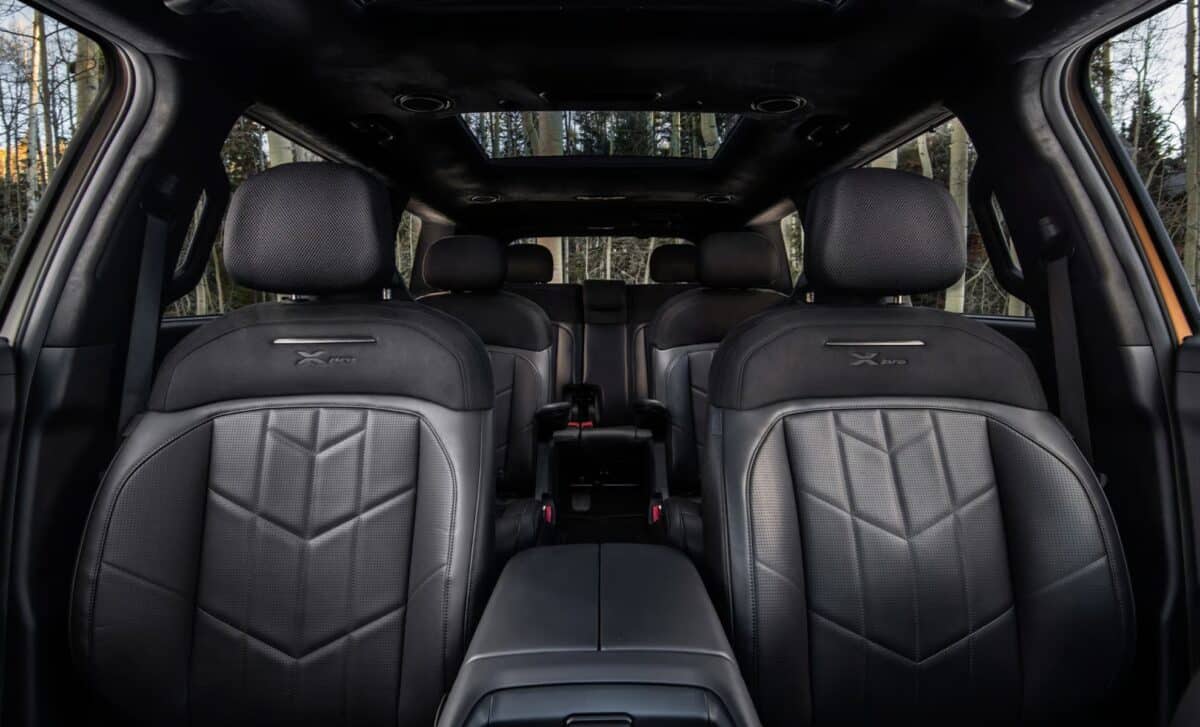
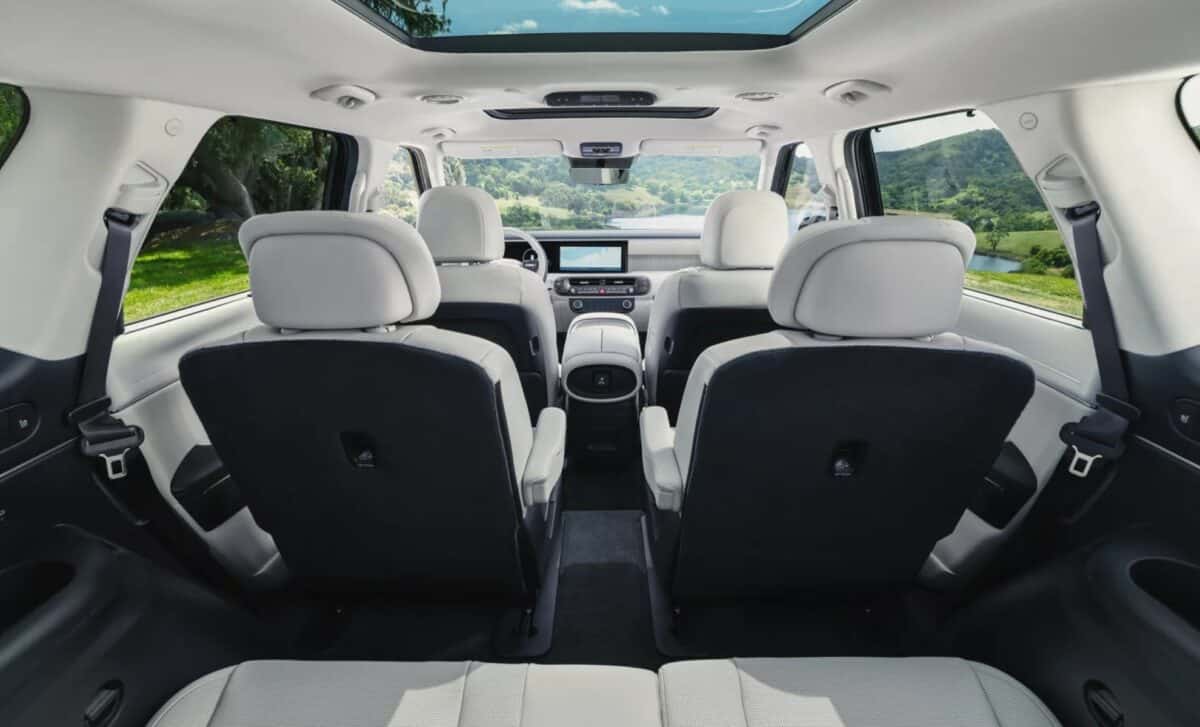
The Palisade’s third row feels more spacious in everyday use despite the nearly identical measurements. The publication notes that the Hyundai benefits from larger rear side windows and a larger second sunroof, creating better outward visibility for passengers seated in the third row.
Both vehicles provide USB-C charging ports, multiple cupholders, and overhead air-conditioning vents for third-row occupants. The Palisade’s rear seating area feels designed for passengers to enjoy extended trips rather than simply accommodate occasional use.
Driving Experience, Technology, and Family-Focused Features
Despite sharing a platform, the two SUVs deliver different driving characteristics. The Hyundai Palisade continues to use a naturally aspirated 3.5-liter V6 engine, while the Telluride adopts a new 2.5-liter turbocharged four-cylinder engine.
One feature highlighted as particularly valuable for families is the standard self-leveling rear suspension available on both models. According to Autoblog, the system automatically restores proper ride height when the vehicle is heavily loaded with passengers, cargo, or a trailer. In the Telluride, this allows the SUV to maintain its full 9.1 inches of ground clearance regardless of load.
The Palisade is described as feeling substantial and traditional on the road, while the Telluride presents a lighter and more agile character, masking its size during tighter maneuvers.
Visibility from the driver’s seat also differs. The Telluride retains the commanding outward view that characterized the previous generation, with window lines and pillar design contributing to easier parking and lane changes.
Inside, both SUVs feature dual 12.3-inch panoramic display screens and use Hyundai Motor Group’s software interface. The reviewer noted that Hyundai employs haptic climate-control buttons beneath the center display, while Kia continues to use a smaller secondary display dedicated to HVAC functions.
For families choosing between the two, the comparison concludes that both vehicles remain highly capable three-row SUVs. The Palisade places greater emphasis on passenger comfort, visibility, and traditional V6 refinement, while the Telluride focuses on cargo capacity, driver visibility, and a more agile driving feel.