
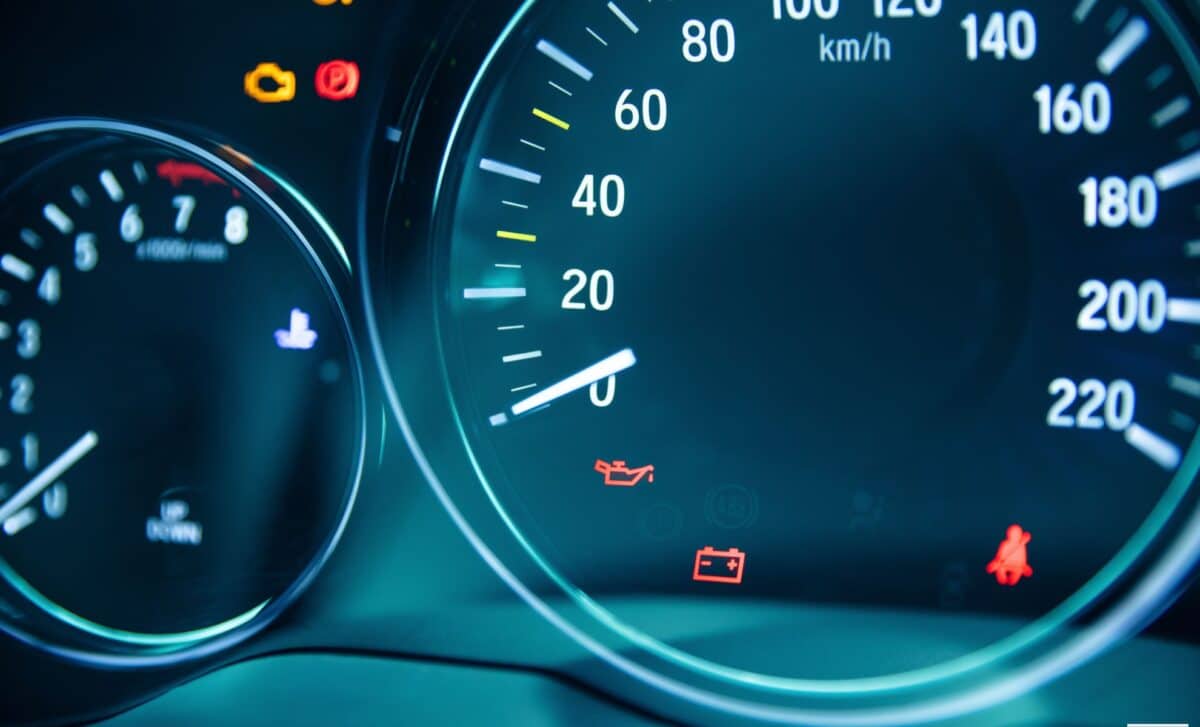
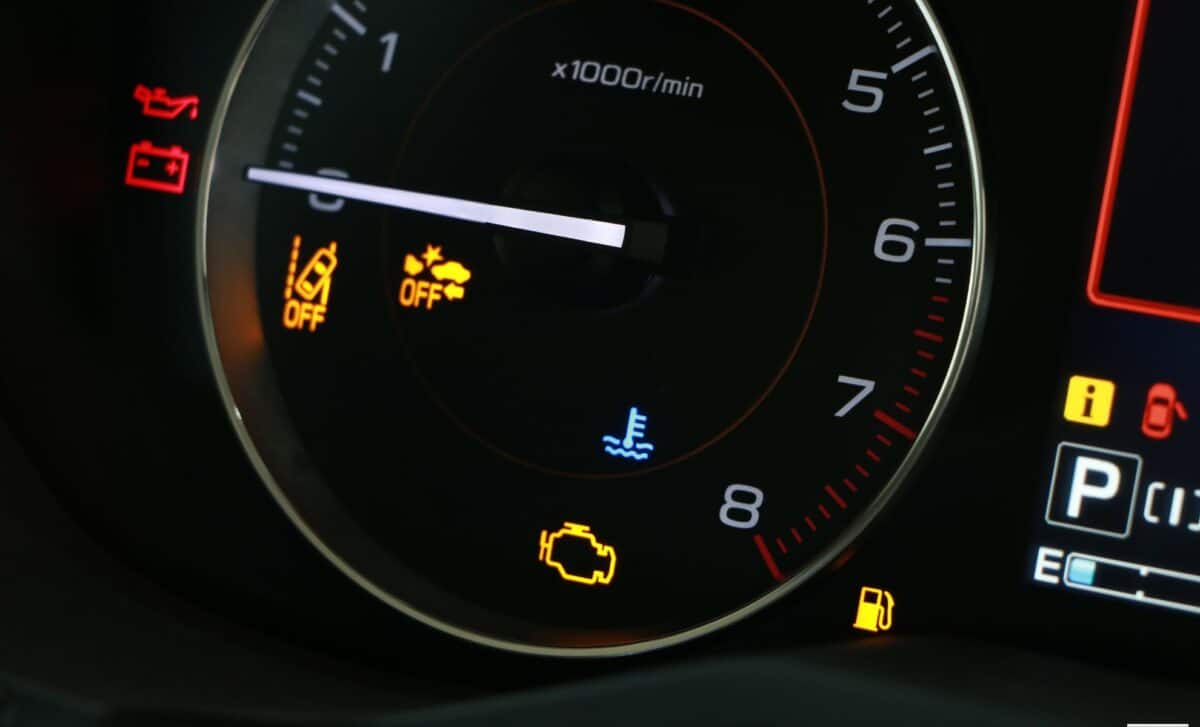
Low engine oil pressure is one of those warnings drivers should never ignore. If the oil light comes on, it’s a sign to stop the car and switch off the engine immediately. Ignoring it can lead to severe engine damage, and the causes can range from something simple like low oil to serious mechanical wear.
Modern vehicles often don’t have a dedicated oil pressure gauge, so drivers must rely on warning lights and visual checks. Normal oil pressure usually falls between 25 and 65 psi, depending on the engine, but without a gauge, spotting a problem early can be tricky. Knowing what to check first can save both time and money—and potentially a whole engine.
Start With The Oil Level And Type
The simplest place to start is the oil itself. According to Jalopnik, even cars that are regularly maintained can lose oil through evaporation or leaks caused by worn seals, gaskets, or old oil plugs. Checking the dipstick, if your car has one, helps ensure the oil level is within the low (L) and high (H) range. If it’s low, topping up with the right oil usually solves the problem and turns off the warning light.
It’s not just about the quantity, though. Using the correct oil viscosity matters. Modern engines often run better on thinner oils, but if the oil is too thin or too thick, it can trigger low pressure warnings. A clogged oil filter can also affect pressure readings, which is why reusing an old filter isn’t recommended. Small steps like these are often overlooked but can make a big difference.
Look For Leaks And Signs Of Wear
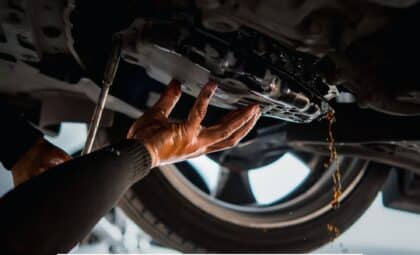
Once the oil level is confirmed, the next step is checking for leaks. Oil can seep from the oil pan, drain plug, oil filter, and valve covers, or even through aging camshaft and crankshaft seals. Visible signs include dark stains on the ground under the car or gunky residue around the engine.
If leaks are found, they should be repaired immediately, or else drivers will have to keep topping up oil frequently, which is hardly convenient. If leaks aren’t the issue, attention should turn to the parts themselves.
A faulty oil pressure sensor can give false readings and trigger the warning light. Replacing it usually costs between $180 and $240, with the sensor alone around $80. Older engines may also have worn piston rings or bearings, which increase oil consumption and reduce pressure.
When The Problem Runs Deeper
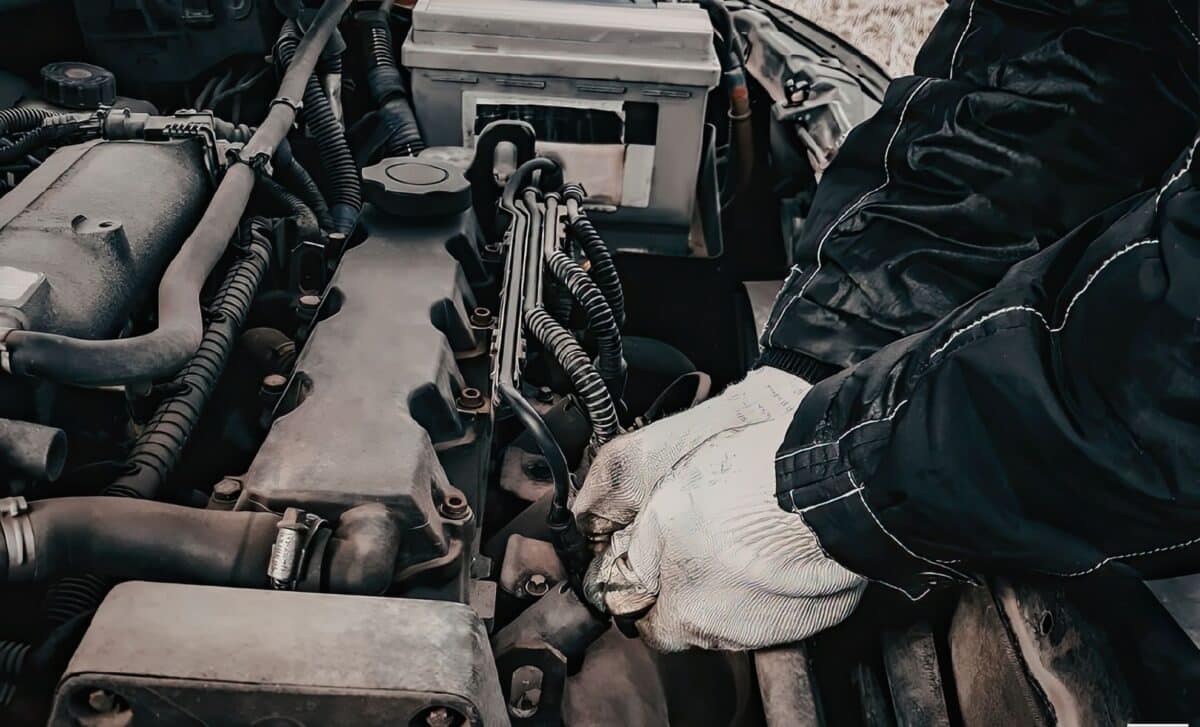
Low oil pressure can sometimes point to more serious engine problems. A failing oil pump or worn piston rings and bearings can cause persistent issues. Signs of piston ring wear include thick bluish smoke from the tailpipe, poor acceleration, stuttering, high oil consumption, and even stalling. Worn bearings often result in vibrations, knocking or tapping noises, or overheating.
These problems aren’t easy fixes. Replacing piston rings, bearings, or an oil pump generally requires a full engine teardown and can cost thousands in parts and labor. Addressing low oil pressure promptly is the best way to avoid major damage and keep an engine running safely.
Low oil pressure isn’t just a minor annoyance—it’s a warning that the engine needs attention. Checking the oil level, verifying the right oil type, inspecting for leaks, and recognizing signs of wear can prevent small issues from turning into costly repairs.