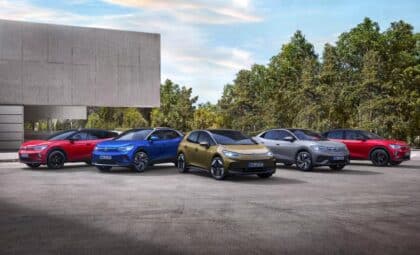

The company is simultaneously introducing new products and retiring older ones. Among the departures is the Touran minivan, which leaves the lineup after 11 years on the market, making way for a new generation of vehicles aimed at strengthening Volkswagen’s position in key segments.
This renewed product offensive covers Europe, North America, and China, with several launches already underway and others scheduled to arrive later in 2026.
New Electric Models Expand the ID Family
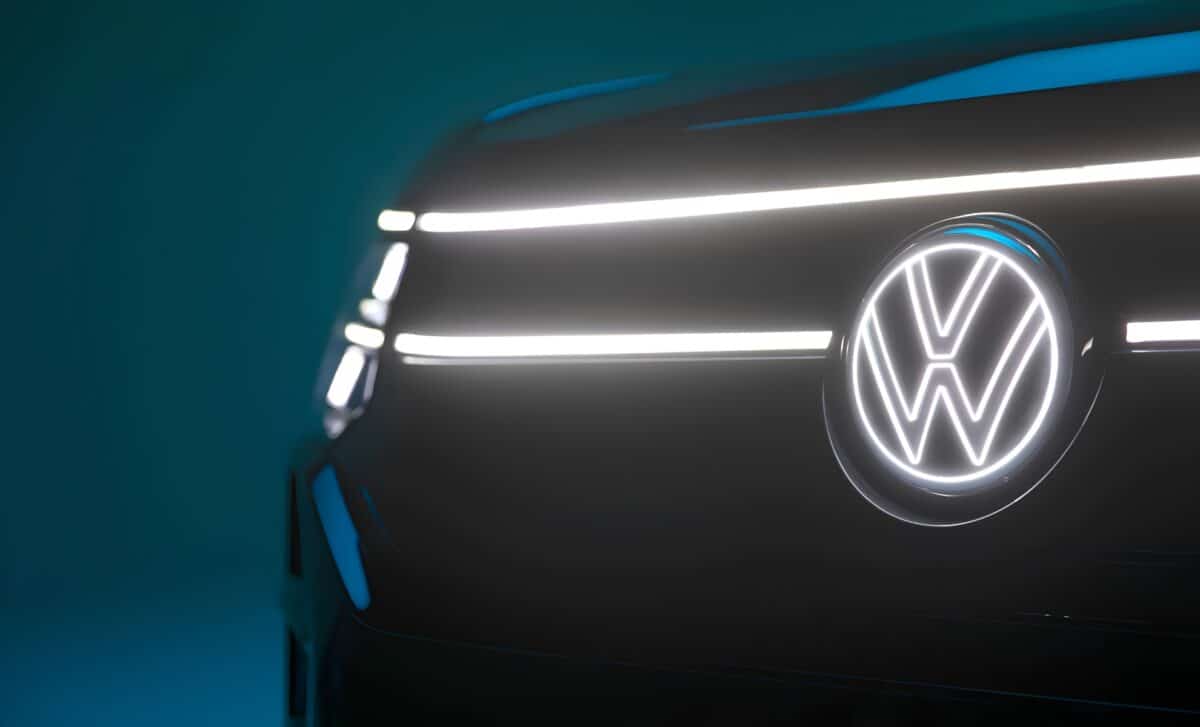
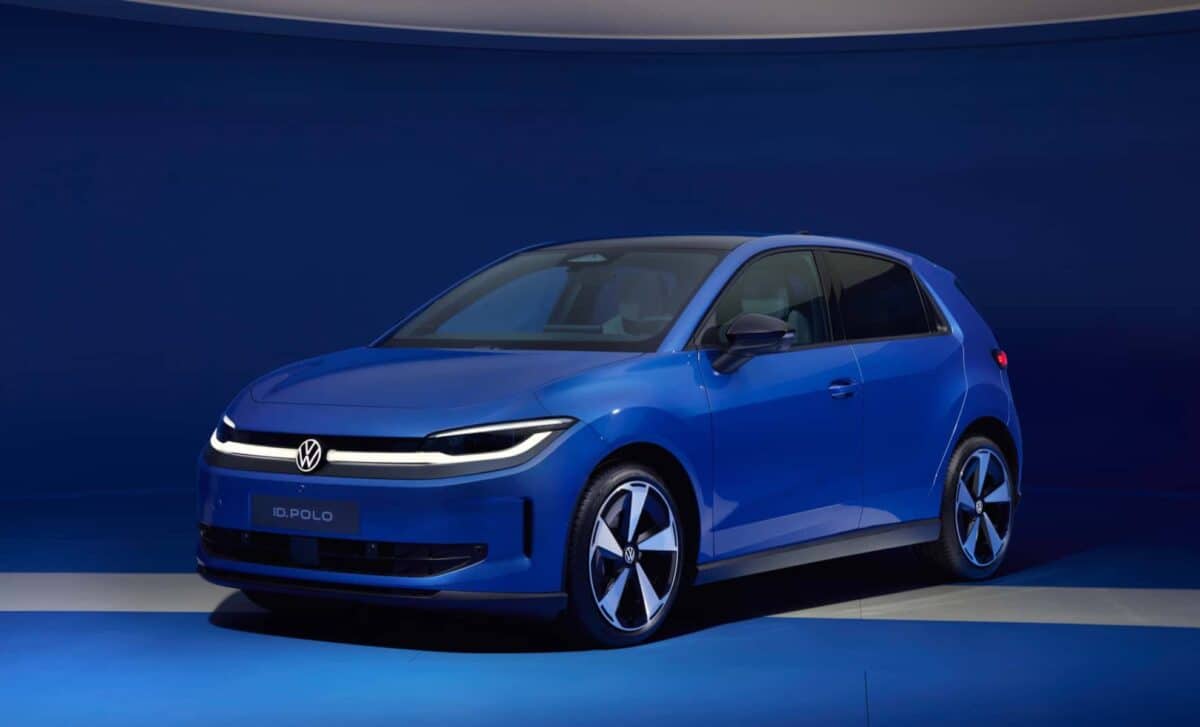
Volkswagen’s most significant launch of the year is the ID. Polo, a new entry-level electric vehicle that closely follows the ID.2all concept. The model introduces a front-wheel-drive platform and marks a return to physical controls inside the cabin after years of criticism directed at touchscreen-heavy interfaces. The touch slider and capacitive-touch buttons used in some recent Volkswagen models have been removed.
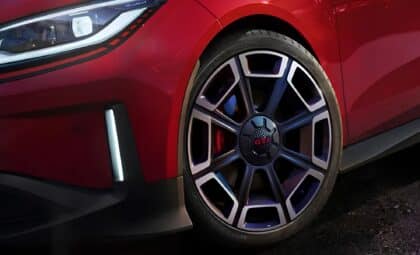
The ID. Polo starts at €24,995 in Germany. Buyers can add options including a panoramic glass roof and electrically adjustable front seats with a massage function. Power comes from a front-mounted electric motor available with 114 hp, 133 hp, or 208 hp. The ID. Polo GTI increases output to 223 hp and starts at just under €39,000.
Two battery choices are available. A 37.0-kWh lithium-iron phosphate battery provides a range of 204 miles (329 kilometers), while a 52.0-kWh nickel-manganese-cobalt battery increases range to 283 miles (465 kilometers). The GTI version is offered exclusively with the larger battery and is estimated to travel 263 miles (424 kilometers) on a charge. Orders are already open in Europe, while the GTI is scheduled to follow in mid-October.
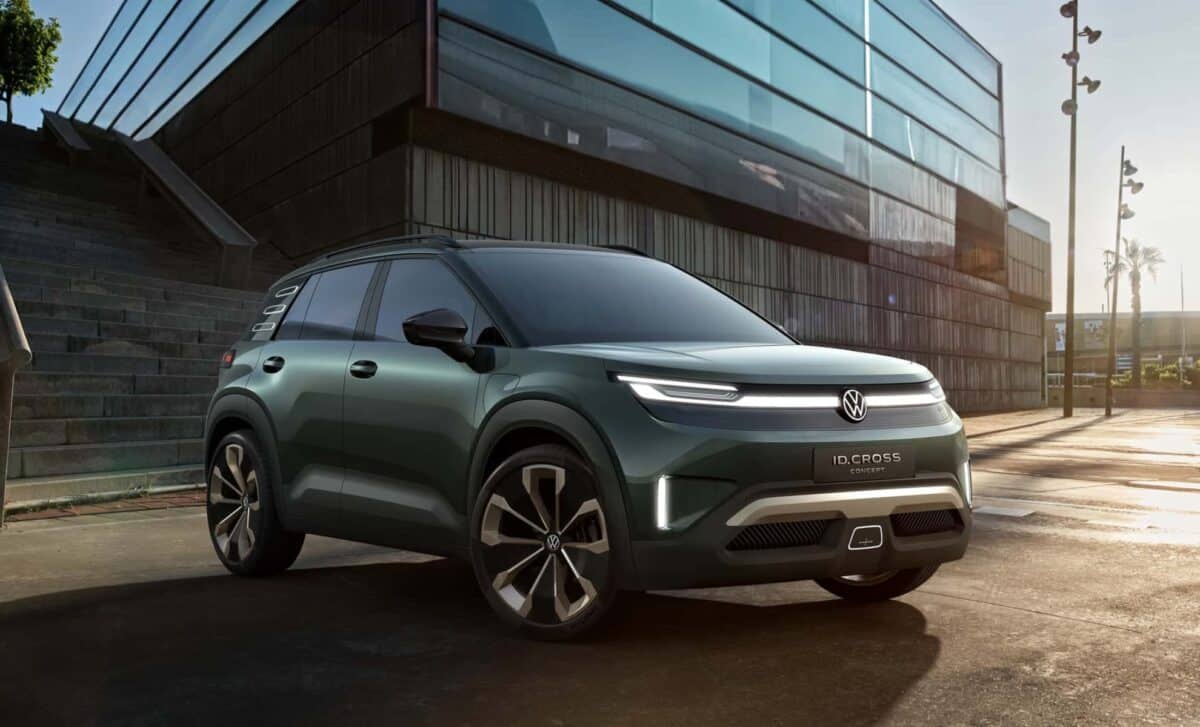
Volkswagen is also preparing the ID. Cross, a subcompact electric crossover positioned as an electric counterpart to the T-Cross. Sharing much of its technology with the ID. Polo, it uses the same 37.0-kWh and 52.0-kWh battery packs and offers up to 261 miles (420 kilometers) of range. The model is expected to start at around €28,000 in Germany and is due to reach the European market during the fall.
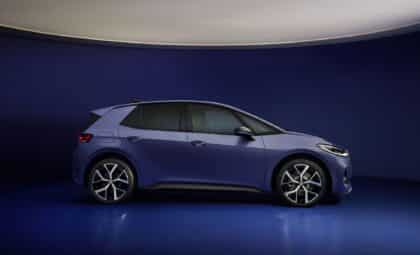
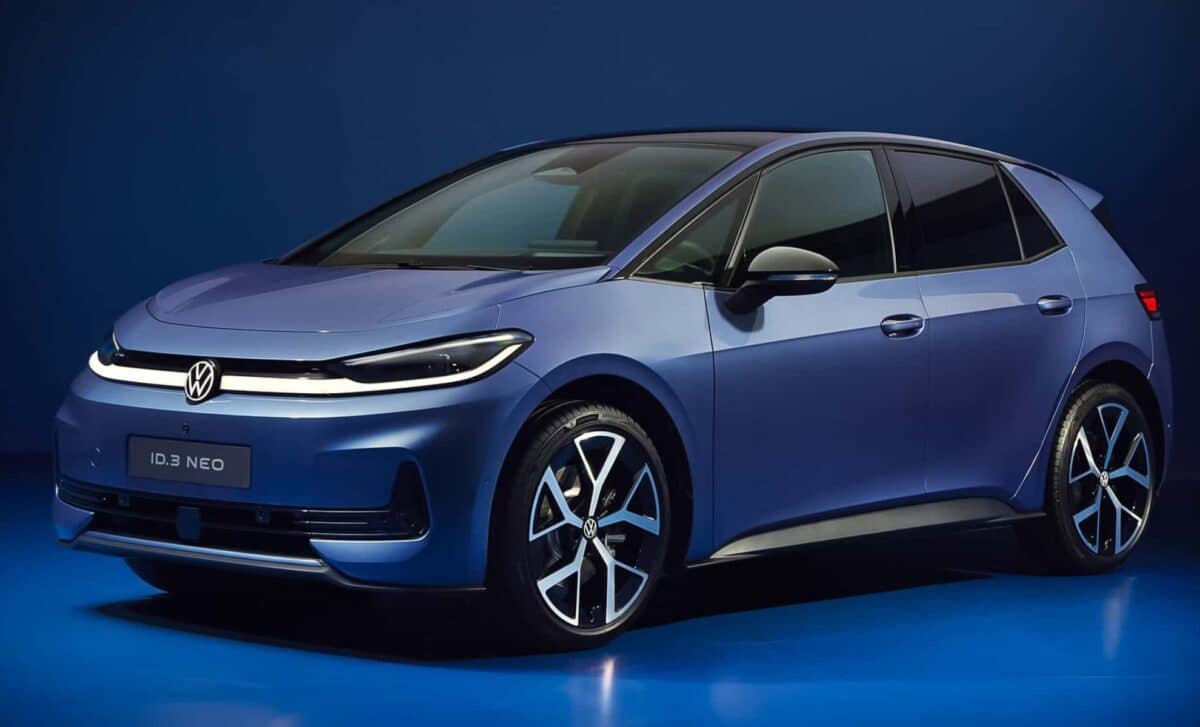
The ID.3 has also been updated and now carries the name ID.3 Neo. The facelift retains its rear-wheel-drive architecture while addressing previous criticisms of its controls. Physical buttons, a volume knob, dedicated rear-window controls, and conventional steering-wheel buttons have all been introduced.
Battery capacities remain at 50.0 kWh, 58.0 kWh, and 79.0 kWh, paired with electric motors producing 168 hp, 188 hp, or 228 hp. The longest-range version can travel up to 391 miles (630 kilometers). The largest battery supports charging speeds of up to 183 kW, enabling a 10% to 80% charge in less than 30 minutes. New features include one-pedal driving and vehicle-to-load capability. The GTX variant is absent for now but will return in September under a new name: ID.3 GTI.
Hybrid Technology Returns While the id.4 Receives Major Revisions
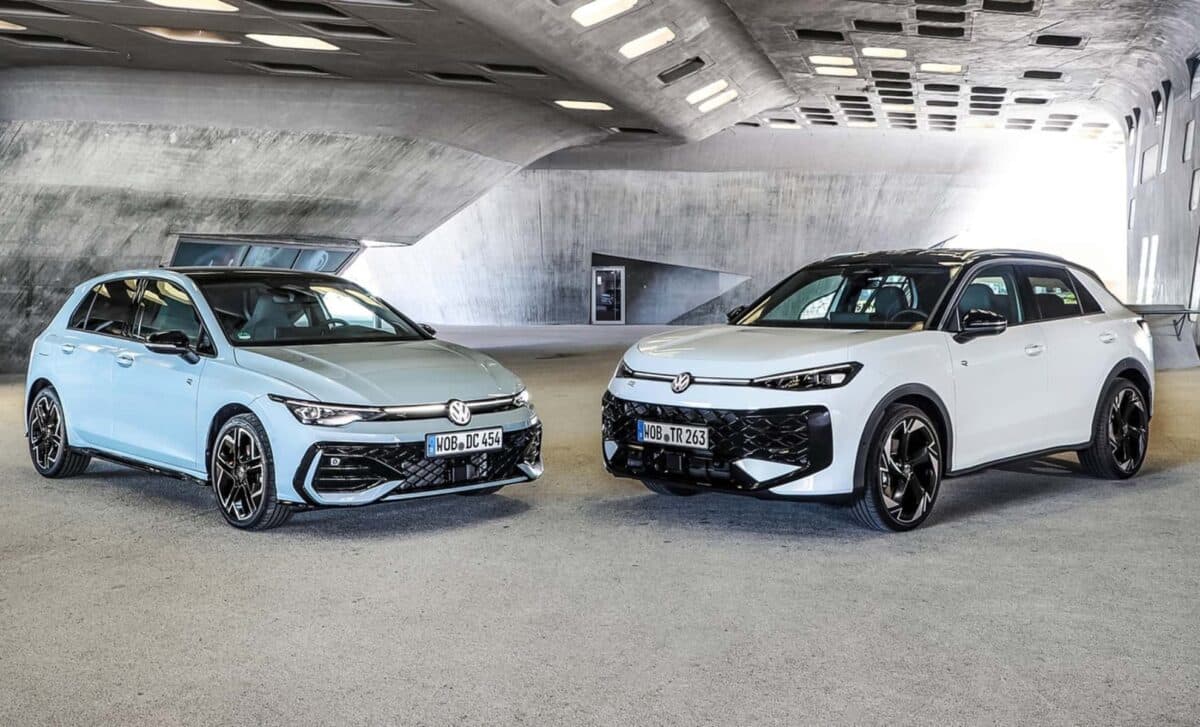
Volkswagen is also re-entering the full-hybrid segment with new hybrid versions of the Golf and T-Roc. Both models combine a turbocharged 1.5-liter gasoline engine with an electric motor and a battery pack.
The hybrid system allows the vehicles to operate with the combustion engine switched off at low speeds using a lithium-ion battery with a net capacity of 1.6 kWh. The gasoline engine generally activates at around 37 mph (60 km/h), where it works alongside the electric motor, especially during acceleration.
The Golf Hybrid and T-Roc Hybrid also feature a serial-drive mode. In this configuration, the combustion engine operates without mechanically driving the wheels. Instead, it generates electricity through a generator to power the electric motor while remaining within its most efficient operating range. Both hybrid models are scheduled to go on sale in Europe during the fourth quarter of 2026.
The ID.4 electric crossover is also set for a mid-cycle facelift. While Volkswagen has not yet released official details, the updated styling is reportedly influenced by the ID. Cross concept. Internally, the vehicle is said to be known as the ID. Tiguan, although no official name change has been announced.
The revised model is expected to continue Volkswagen’s shift back toward physical controls, including additional buttons and a volume knob. The company has gradually moved away from touch-based interfaces after widespread criticism.
The related ID.5 may not receive the same updates. Sources cited by the publication claim production of the coupe-styled electric crossover could end in 2027, although Volkswagen has not confirmed this. In the United States, the ID.4 has already been discontinued, though the model is expected to return at a later stage.
Atlas Renewal and a Major Push in China
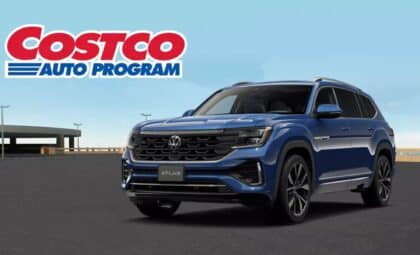
North America will receive the second-generation Volkswagen Atlas later this year. The large SUV first appeared in China at the beginning of 2025 as the Teramont Pro. The American version adopts conventional door handles but otherwise remains largely similar.
The cabin features upgraded materials, although touch-sensitive sliders remain part of the interior. A physical knob is available for controlling volume, drive modes, and ambient lighting.
The standard 2027 Atlas uses front-wheel drive, while Volkswagen’s 4Motion all-wheel-drive system remains optional. Power comes from an updated 2.0-liter turbocharged engine producing 282 horsepower and 253 pound-feet of torque, paired with an eight-speed automatic transmission.
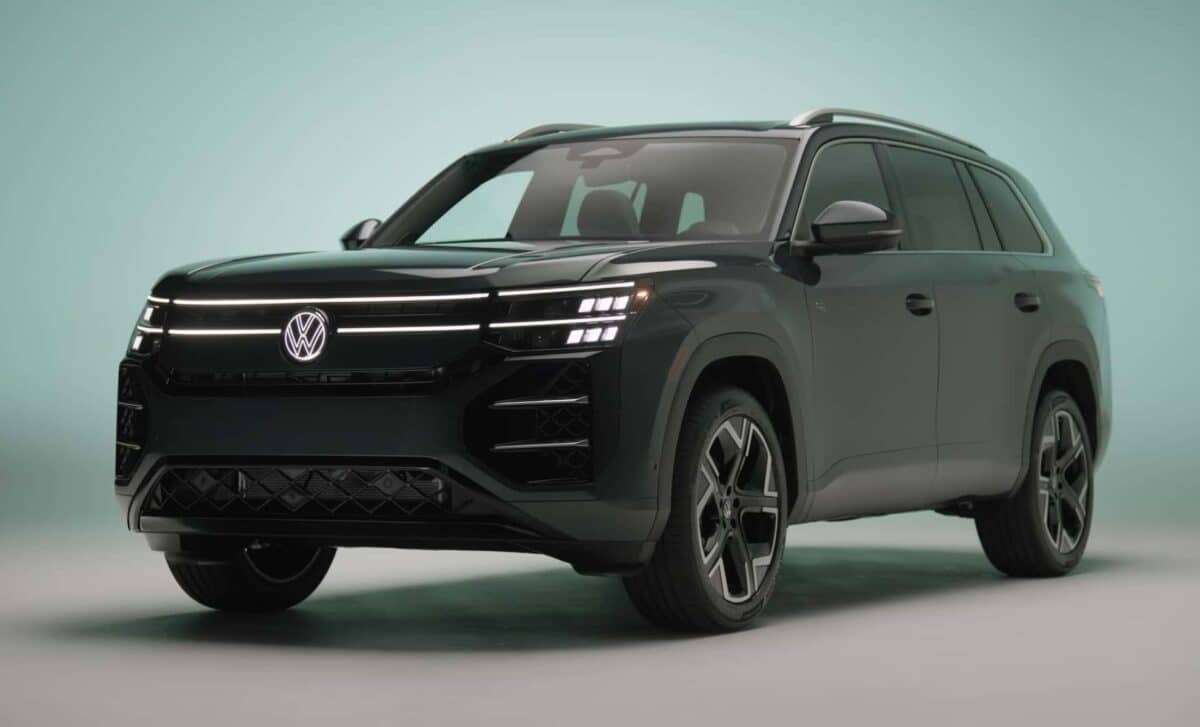
Volkswagen has confirmed fuel-economy figures for the new EA888 evo5 engine. Front-wheel-drive versions achieve 22 mpg in the city, 29 mpg on the highway, and 25 mpg combined. The 4Motion version returns 20 mpg city, 27 mpg highway, and 23 mpg combined. The 2027 Atlas will go on sale in North America this fall.
China remains another major focus of Volkswagen’s strategy. According to Motor1, the company is responding to declining market share by introducing a series of new models developed with local partners. Among the most notable is the ID. UNYX 09, an electric sedan developed through Volkswagen’s partnership with Xpeng.
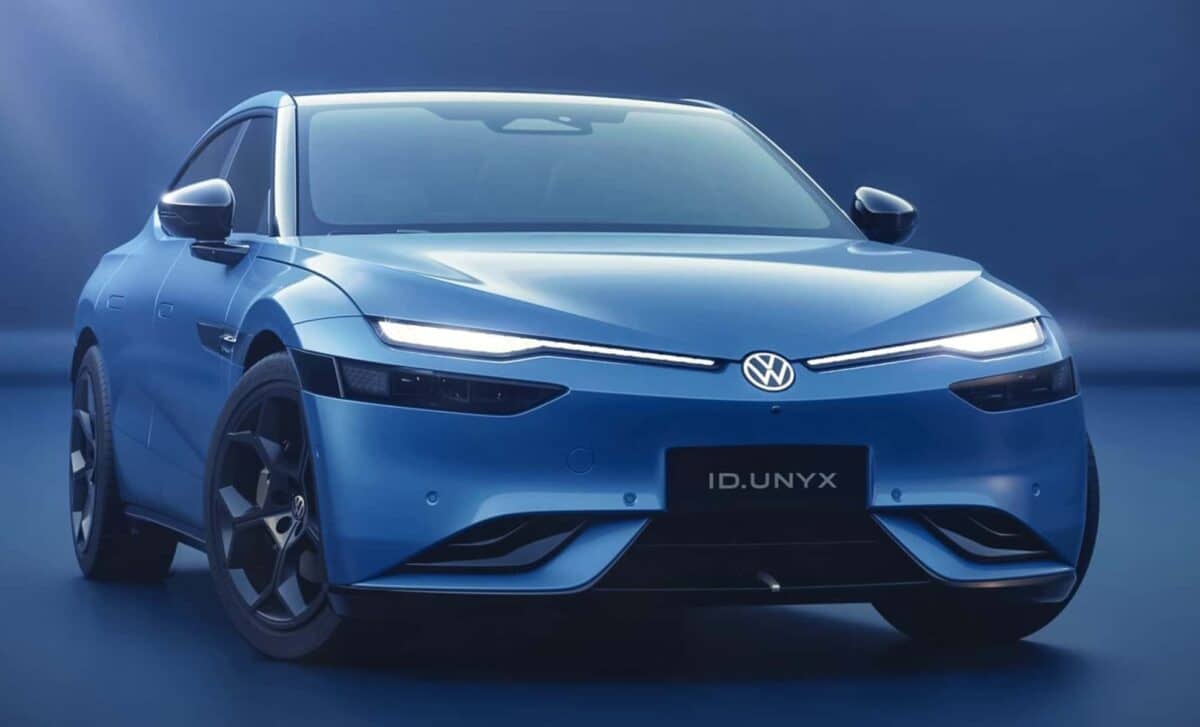
The company’s Chinese electric offensive also includes the ID. Era 9X, the ID. Unyx 08, and an SUV concept from the standalone Jetta brand. Volkswagen has indicated that additional China-exclusive models are under development as it seeks to attract customers back to its dealerships.
Competition from domestic manufacturers has continued to intensify in China. The pressure has become significant enough that Volkswagen is withdrawing the Skoda brand from the market after a decade-long decline in sales.