
Wagons, also known as estates in Europe, have long occupied a niche position in the global automotive market. While they remain popular among some buyers, especially in Europe, their presence has steadily diminished as SUVs and crossovers continue to dominate sales charts.
Hyundai has now joined a growing list of manufacturers openly discussing the challenges facing the segment. The company’s comments come only months after Mercedes-Benz executives expressed similar concerns about wagon demand in major markets such as the United States and China.
Hyundai Says Demand No Longer Supports Major Investment
Hyundai Europe chief Xavier Martinet believes demand for wagons is no longer strong enough to justify the development of new models.
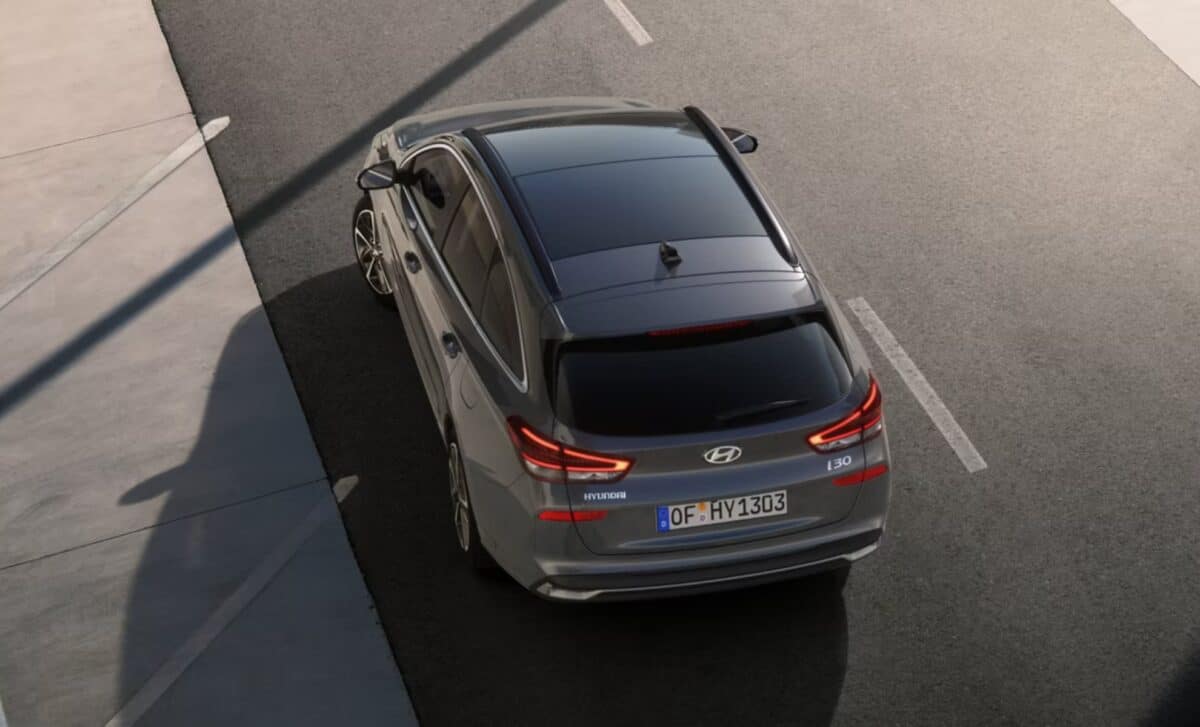
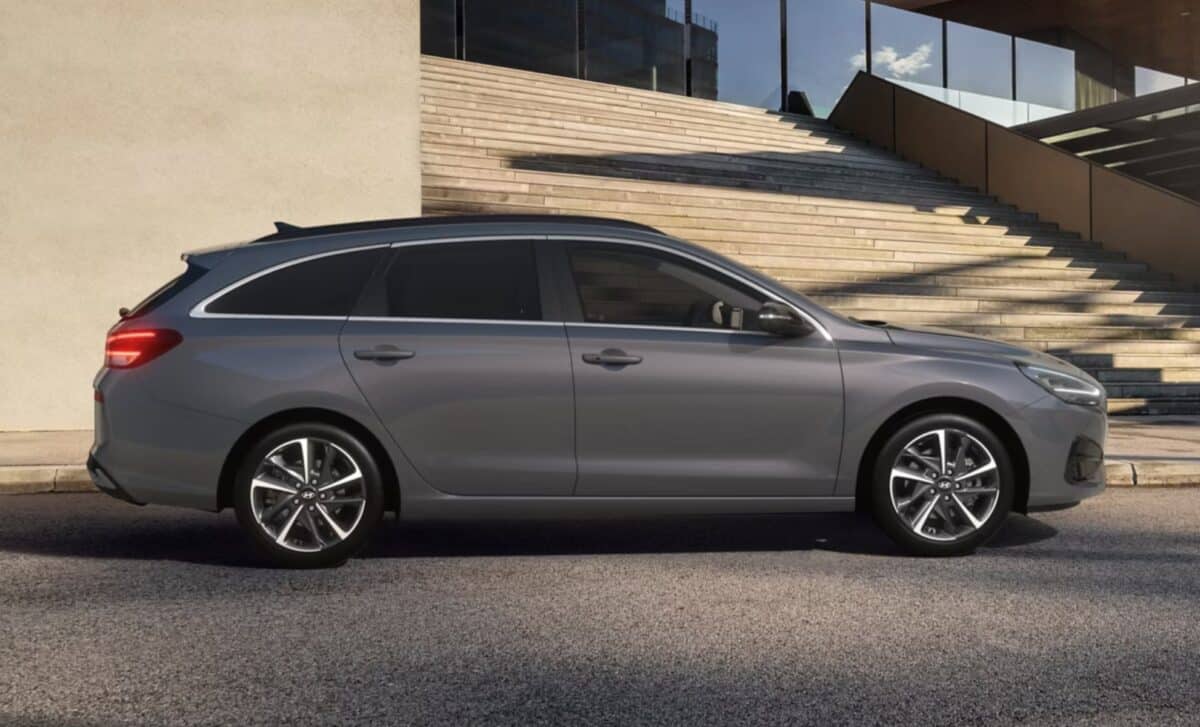
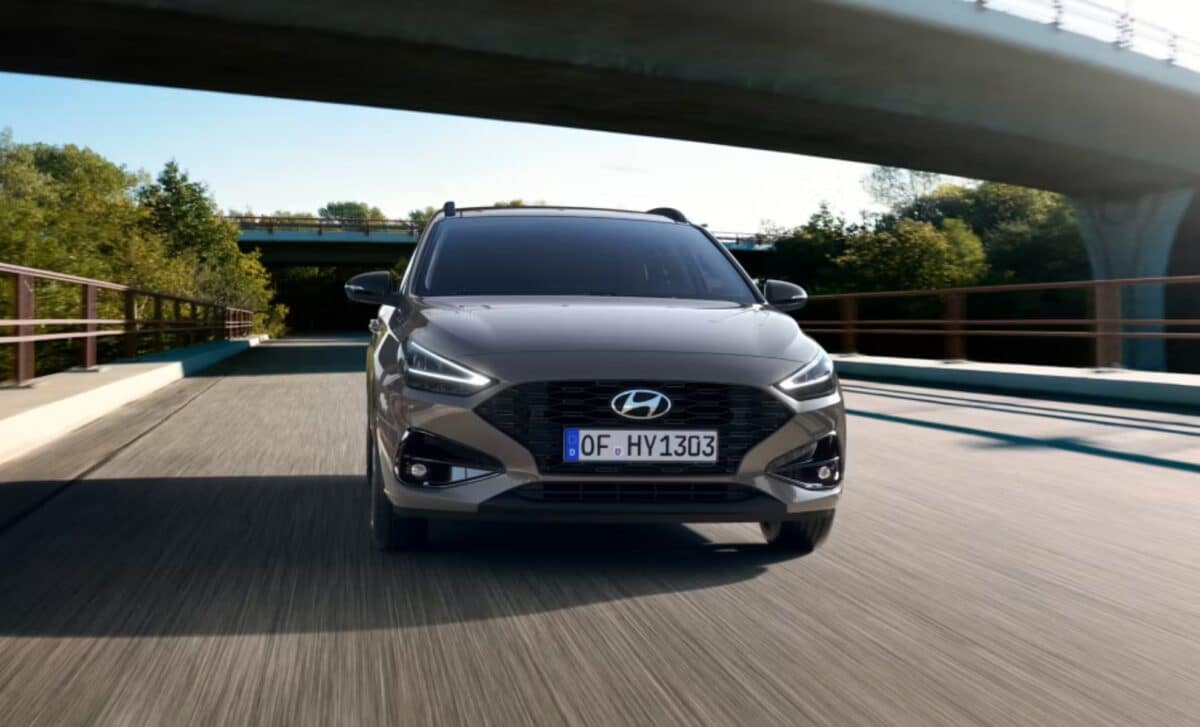
Speaking with Auto Express, Martinet said Hyundai is not committing resources to future wagon programs because the segment is not growing. The manufacturer still sells the i30 Estate in certain markets, but the model has been on sale for nearly ten years.
“There’s a reason we don’t talk about estates much: in this segment demand is not growing. You allocate your investment and [engineering] resources to projects that make the most sense. Right now, there’s some demand, but not a lot, so it doesn’t justify it,” Martinet told Auto Express.
Hyundai has also reached the conclusion that wagon buyers are largely absent in both the United States and China, two of the world’s largest automotive markets.
Profit Margins Are Pushing Manufacturers Toward SUVs
Hyundai‘s position is not based solely on sales volumes. The company also points to the financial advantages associated with SUVs. Martinet acknowledged that SUVs typically deliver higher profit margins than station wagons. “Usually we manage to make more money with an SUV than a station wagon,” he said.
That reality is influencing how manufacturers allocate their budgets and engineering resources. Automakers continue to introduce new crossovers because consumer demand remains strong and the vehicles are generally more profitable than equivalent wagon models.
The combination of weaker demand and lower margins has made it increasingly difficult for wagons to compete for investment within large product portfolios.
Europe Remains a Key Market for Estate Cars
Despite the challenges facing the segment, wagons continue to maintain a presence in Europe. The region still offers buyers a broad range of compact and midsize estate cars.
Among the models currently available are the Volkswagen Golf Variant and the BMW 5 Series Touring. The publication also notes that Audi recently reintroduced the A6 Allroad.
Not all manufacturers are abandoning the body style. Kia, Hyundai’s sister brand, has launched the K4 Sportswagon in Europe as a successor to the aging Ceed Sportswagon. The model competes with rivals such as the Skoda Octavia Combi and Peugeot 308 SW.
The continued availability of these vehicles shows that wagons still have a place in certain markets, even as SUVs command a growing share of consumer attention and manufacturer investment.