
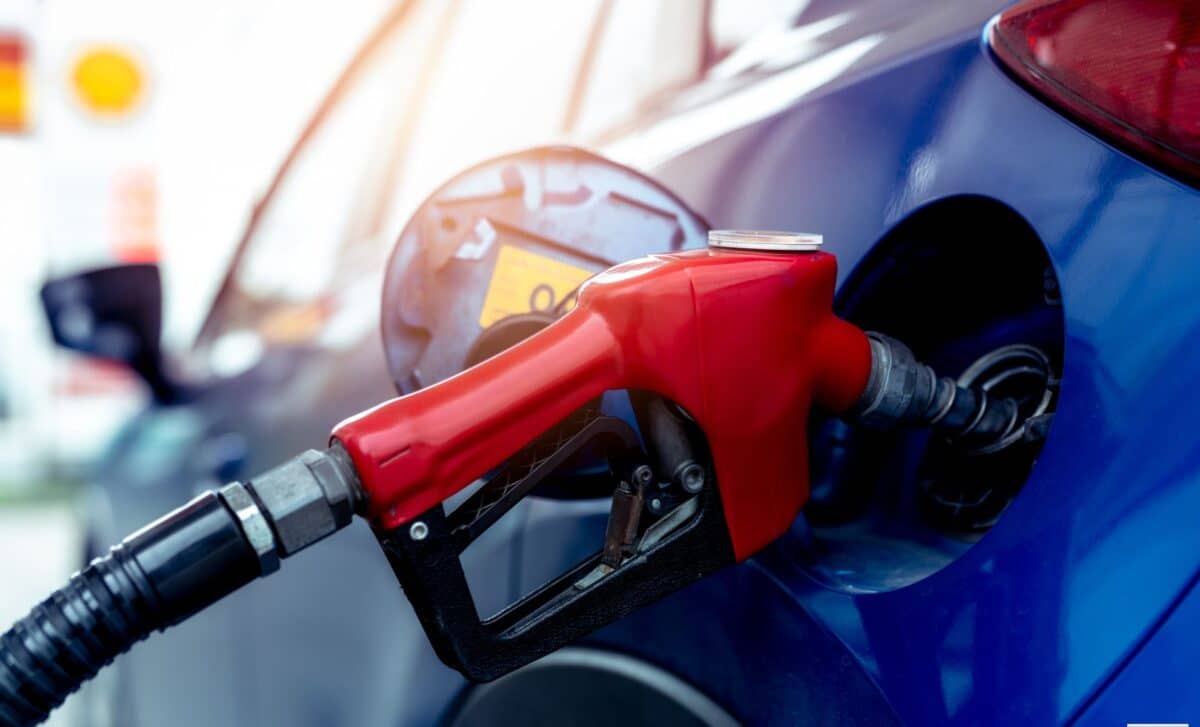
The average new car price passed $50,000 last year, more than double its level in 2000, making small savings feel more valuable for many households. In that climate, advice about fuel economy spreads quickly online.
Several common tips about coasting, premium fuel, engine warm-ups, air conditioning, cruise control, and acceleration are either outdated or misunderstood. The details matter, because modern engines do not behave the same way older cars did.
Coasting In Neutral Is Not The Free Ride Many Drivers Imagine
According to Jalopnik, one of the most common myths is that shifting into neutral while going downhill saves fuel. It may feel logical, the car rolls forward, the engine is not pulling, and the driver appears to be using momentum for free.
In reality, dropping into neutral forces the engine to keep idling so it does not stall. That idle speed still requires fuel. In a modern fuel-injected car, leaving the vehicle in gear and lifting off the throttle can cut fuel delivery entirely until the driver brakes or accelerates again.
That means neutral coasting does not save fuel in the way many drivers think. Under the right conditions, it can burn more fuel than simply staying in gear and letting the vehicle manage fuel delivery.
Premium Fuel, Engine Warm-ups, And Air Conditioning Are Often Misunderstood
Premium fuel is another persistent myth. Its higher octane rating helps resist pre-ignition in high-compression engines designed or tuned for it. In a regular engine, that advantage is wasted.
The EPA notes that when premium is recommended but not required, “The cost increase is typically higher than the fuel savings.” In plain terms, paying more for premium does not automatically make a regular engine more efficient.
Warming up an engine before driving is also mostly a leftover habit from the carburetor era. Modern fuel-injected engines warm up faster when driven gently. Idling in the driveway for five minutes does not protect the engine in the way many people assume; it burns fuel while the car goes nowhere.
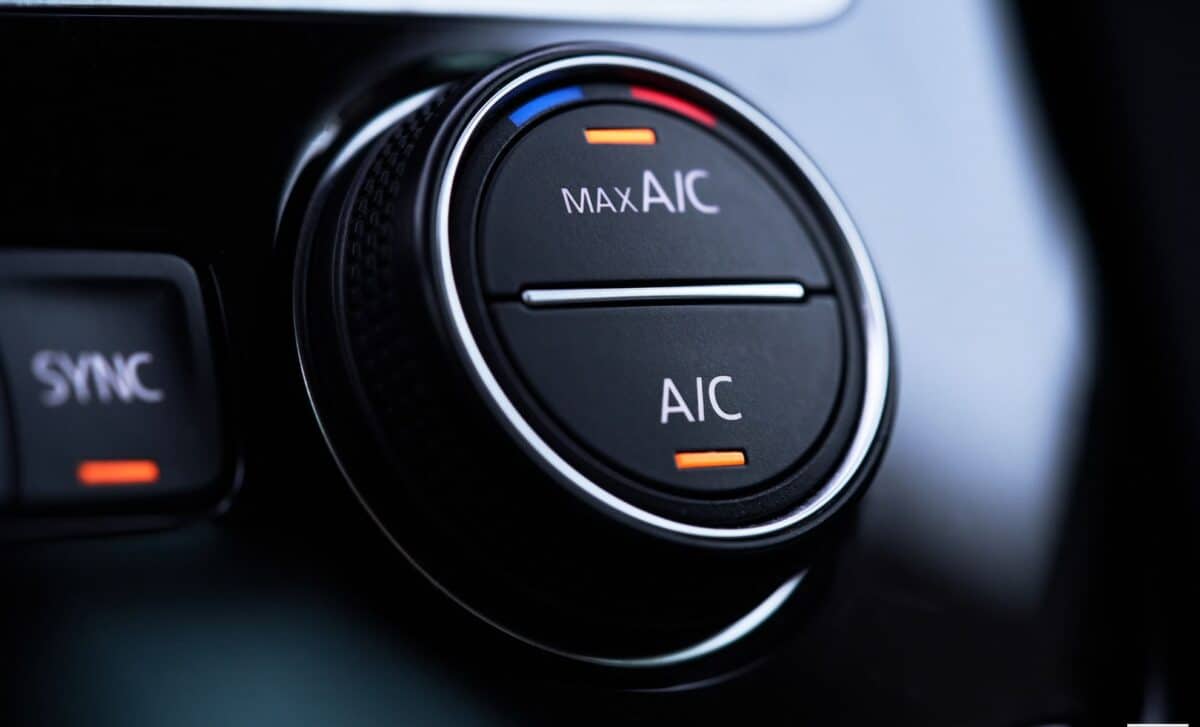
Air conditioning is more complicated. At low speeds around town, opening the windows and turning off the AC can save fuel. At highway speeds, open windows add aerodynamic drag, which can offset or exceed the fuel used by the AC. Under very hot conditions, AC can reduce a conventional vehicle’s fuel economy by more than 25%, especially on short trips. Setting the cabin temperature to what is actually needed, rather than the coldest setting, reduces the penalty.
Cruise Control And Slow Acceleration Can Work Against Fuel Economy
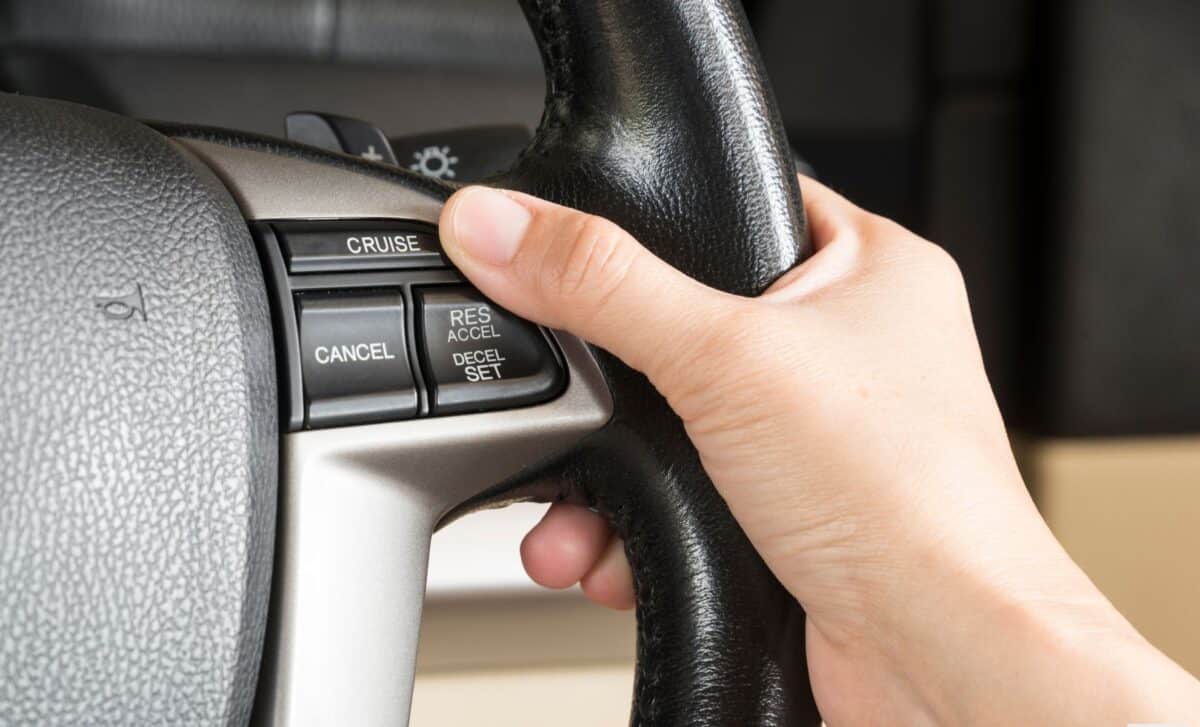
Cruise control can save fuel on flat highways because it holds a steady speed. On hilly roads, though, it can become less efficient.
To maintain the selected speed uphill, cruise control keeps the throttle open longer and harder than many drivers would. A person may allow the car to slow slightly on a climb and regain speed on the descent. Cruise control simply tries to hold the number, which can use more fuel.
Accelerating as slowly as possible is another misleading habit. Gentle driving helps, but crawling away from a stop keeps the engine in lower, less efficient gears for longer. The more effective approach is smooth acceleration that gets the car into the highest suitable gear as conditions allow.
For modern engines, efficiency often improves at lower RPM in a higher gear. Dragging the car along in first gear to “save fuel” can therefore do the opposite.