
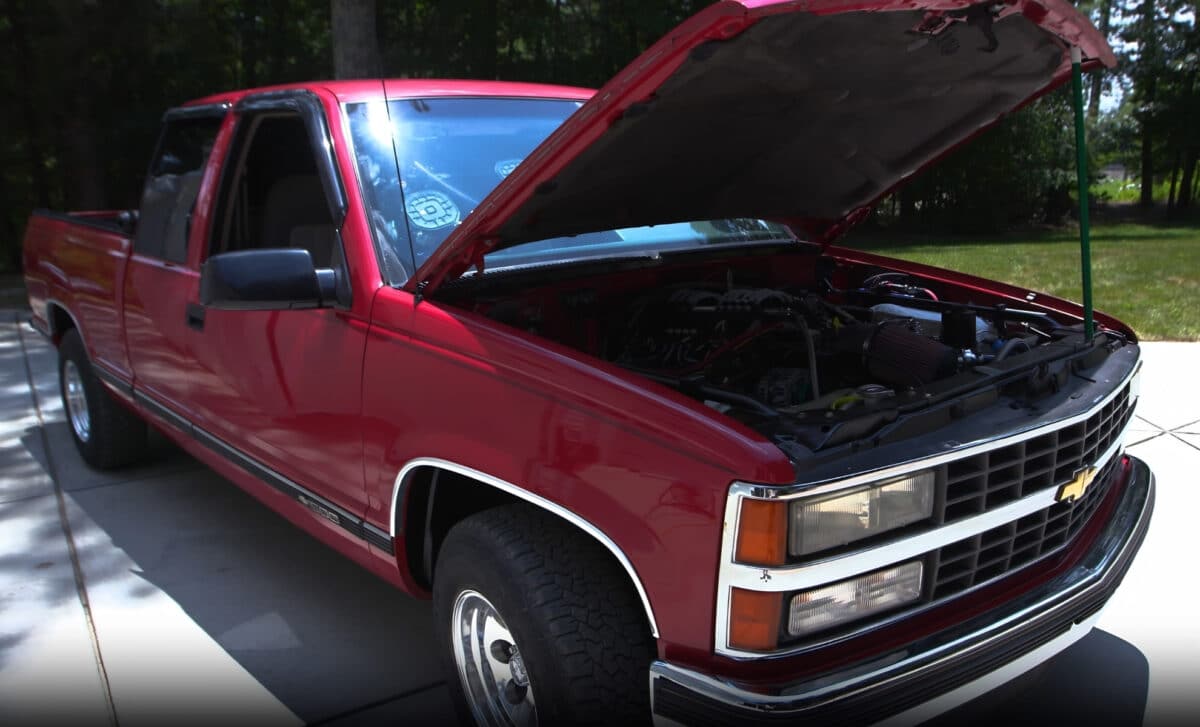
In recent years, combustion engines have been adapted to run on a growing range of fuels, including gas, ethanol, hydrogen, and synthetic gasoline. None of these alternatives, however, have fully replaced traditional fossil fuels. The latest experiment, led by First Ammonia Motors in partnership with Germany’s Fraunhofer Institute for Microengineering and Microsystems, introduces ammonia as another potential candidate.
The timing of this development comes amid geopolitical tensions and climate concerns, which continue to drive interest in non-petroleum energy solutions. The concept of ammonia-powered engines is not new, but previous attempts were hindered by technical barriers, particularly related to combustion.
A Combustion Challenge Partially Overcome
Ammonia requires very high temperatures to ignite, which has historically limited its use in engines. According to Automobile Magazine, earlier systems relied on mixing ammonia with diesel or methanol to enable combustion. The recent development addresses this issue by integrating a process that recycles unburned ammonia.
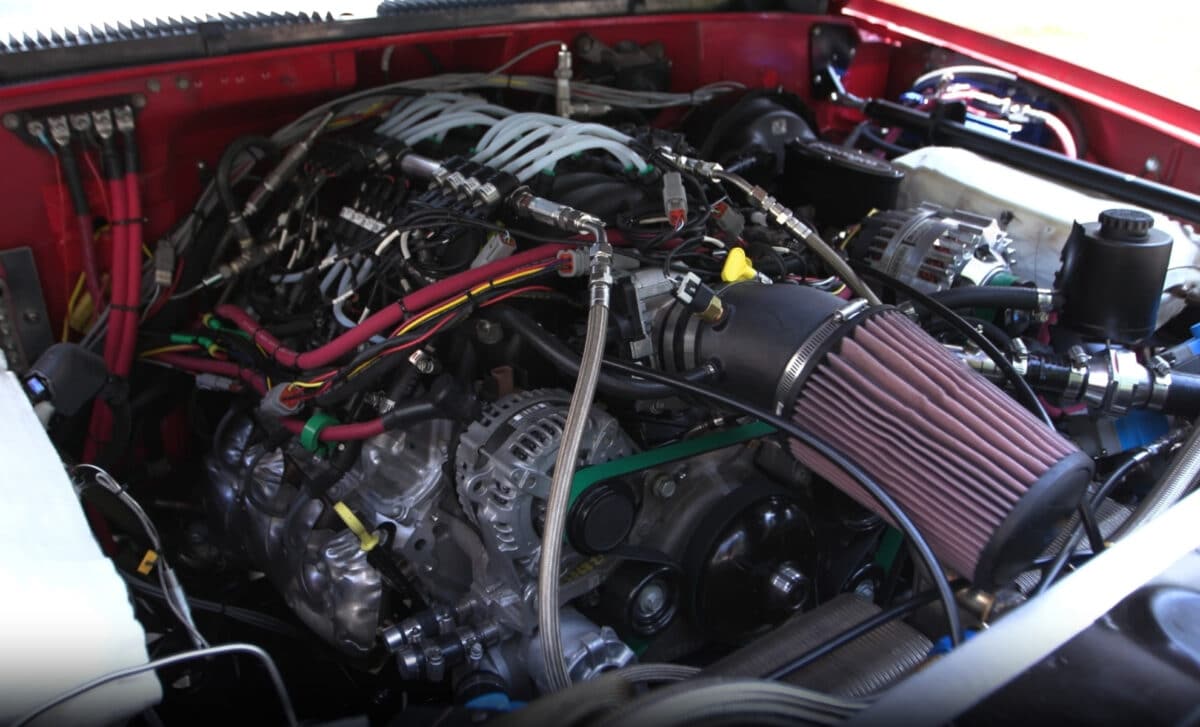
When the engine starts, unburned ammonia is expelled through the exhaust, where it is broken down. Its hydrogen component is then reinjected into the engine, acting as a combustion aid. This hydrogen, being more flammable, allows the engine to start and operate more efficiently. Once running, the engine emits nitrogen and water vapor instead of CO2, marking a significant shift in exhaust composition.
Modified V8 Engine Reveals Performance Trade-Offs
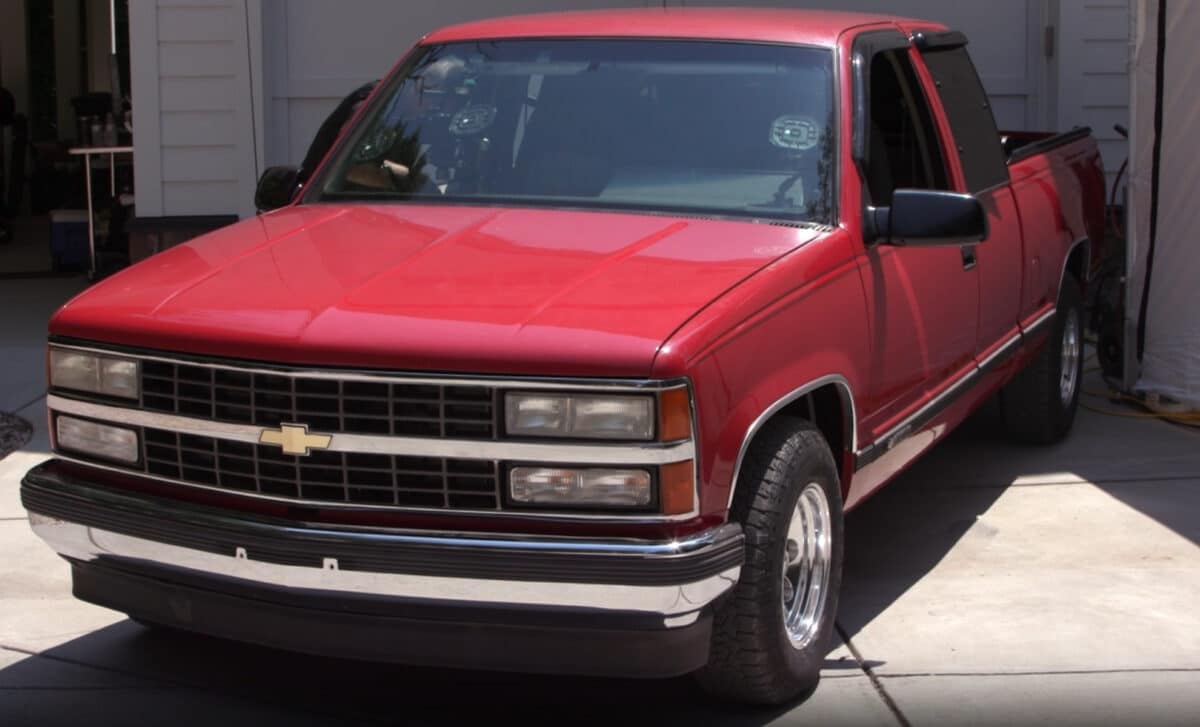
The test vehicle uses a 6.6-liter Chevrolet V8 engine from the 1990s. The engine operates similarly to a gasoline-powered unit once running, despite the change in fuel. However, this comes with a notable drawback: fuel consumption is roughly doubled.
This increase is directly linked to ammonia’s lower energy density, which is about 50 percent lower than gasoline. To maintain a comparable driving range, the test vehicle, a Chevrolet C10, must carry twice the volume of fuel. While refueling time remains similar to gasoline, the cost implications are significant, as larger quantities are required per trip.
High Production Costs and Limited Infrastructure
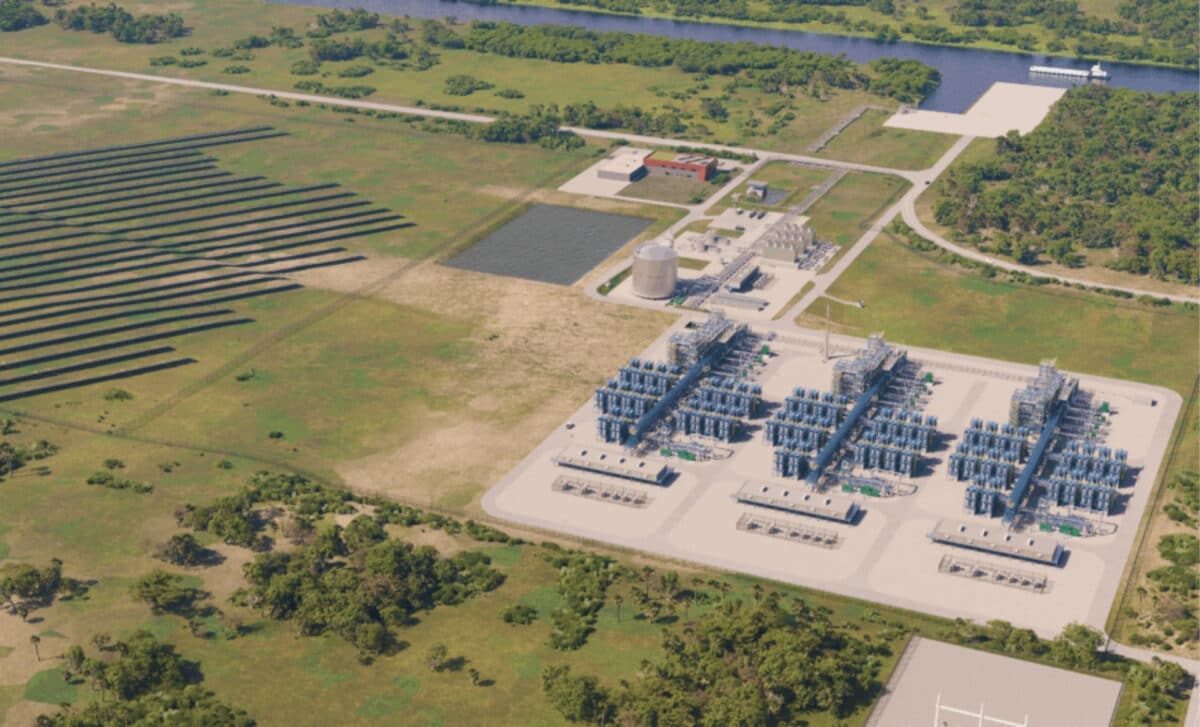
The economic viability of ammonia as a fuel presents another obstacle. Ammonia production is complex and energy-intensive. It requires hydrogen and nitrogen, both of which must first be produced or extracted, hydrogen typically through water electrolysis and nitrogen from the air.
Although “green ammonia” can theoretically be produced using renewable electricity, the process remains costly. The lack of refueling infrastructure in both the United States and Europe further limits practical adoption. The startup behind the project plans to market a conversion system for existing gasoline engines, but the article notes that more accessible alternatives, such as ethanol, are currently more realistic for consumers.
First Ammonia Motors suggests that rising gasoline prices could eventually make ammonia more competitive. Still, the combination of high production costs, increased consumption, and limited availability raises questions about whether the technology can move beyond the experimental stage.