

For many enthusiasts, turbo sound was part of the experience. The whistle as boost built, the flutter when lifting off the throttle, and the sharp release between shifts helped define older turbocharged cars, from modest hatchbacks to high-end machines such as the Bugatti W16 Mistral.
Now, many new cars are identified more by a “turbo” badge than by the noises drivers might expect. The result is a quieter, more controlled driving experience, but also one that can feel subdued to people who remember the more expressive turbo cars of the past.
Modern Turbo Systems Are Designed To Stay Quiet
Newer factory turbo setups rarely vent boosted air into the atmosphere in the dramatic way many drivers imagine. Instead, modern blow-off valves commonly recirculate the vented air back into the intake rather than releasing it outward for a loud effect.
That design keeps the system more orderly and predictable. It also means the familiar sound heard when lifting off the throttle between shifts is often reduced or missing altogether. The turbocharger may still be working, but the car no longer announces it in the same way.
According to Jalopnik, modern vehicle engineering has moved toward reducing noise, vibration, and harshness. Intake tracts are often shaped to smooth and quiet airflow, while cabins are better insulated from mechanical sounds. Even when the engine is operating under turbo boost, the driver may barely hear it.
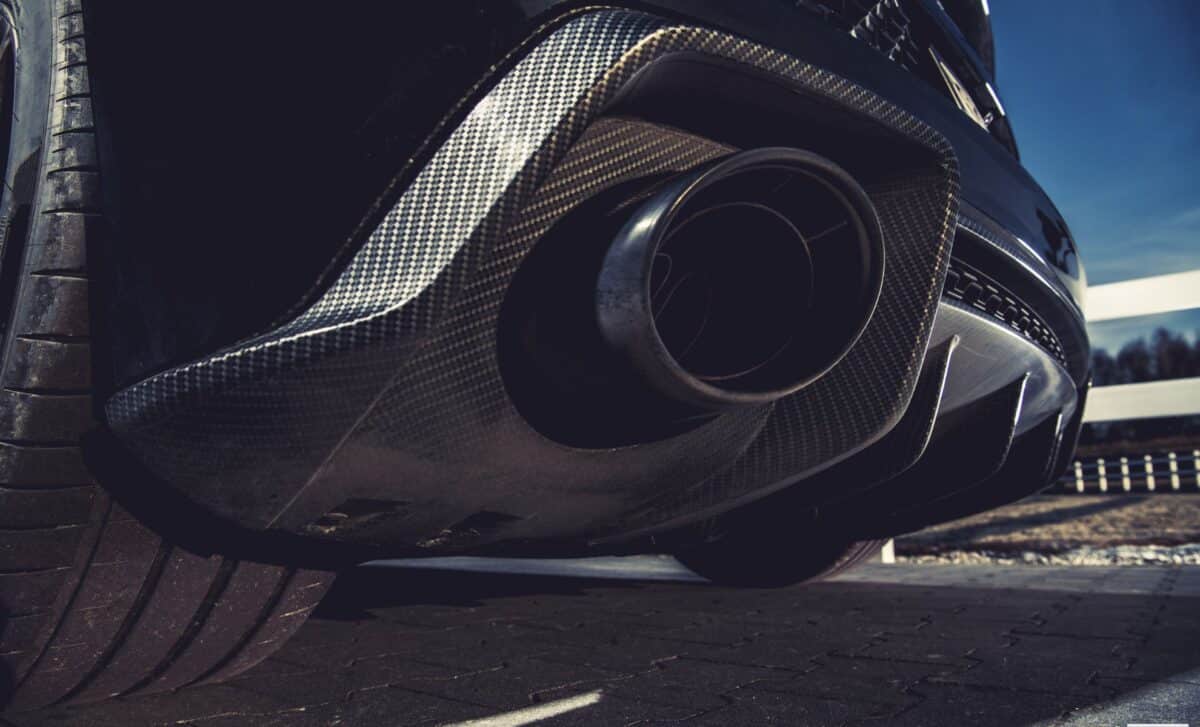
Some Brands Recreate The Sound Artificially
As real turbo sounds become quieter, some manufacturers have turned to artificial sound. In many new turbocharged cars, fake turbo noises can be produced through a speaker that imitates the sound of a blow-off valve.
The comparison is simple, it is like adding fake film grain to digital footage. The effect is not original, but it tries to bring back a feeling that some drivers miss. The purpose is not only sound, but also emotion, because the missing “whoosh” has become part of turbo nostalgia.
Porsche provides one example. Starting with the 991-generation 911, the company introduced a “sound symposer” that pipes intake noise into the cabin. The setup uses a valve and a tuned resonator at around 4,500 to 6,000 rpm, giving occupants more intake sound than they would otherwise hear.
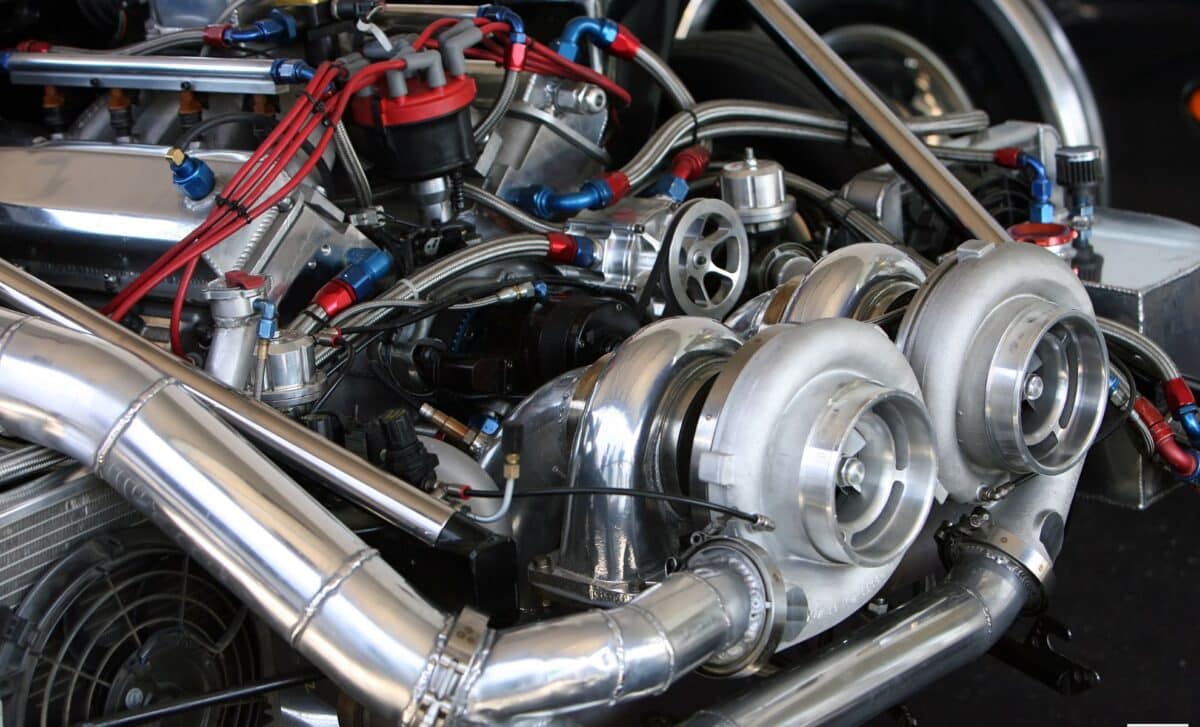
Volkswagen’s Soundaktor Shows How Visible The Trend Has Become
Volkswagen’s Soundaktor is another well-known example of engineered cabin sound. The system is used in both the Golf R and Golf GTI, two cars closely associated with turbocharged performance.
Unlike hidden acoustic tuning that most owners may never notice, the Soundaktor has become familiar enough that drivers can go looking for it. In some cases, disabling it can be as simple as disconnecting specific fuses.
That detail captures the tension around modern performance-car sound. Turbochargers are still present, and the performance remains, but the natural noises many enthusiasts remember have been softened, redirected, or replaced. Quieter cars feel more composed, yet for some drivers, they also feel less alive.