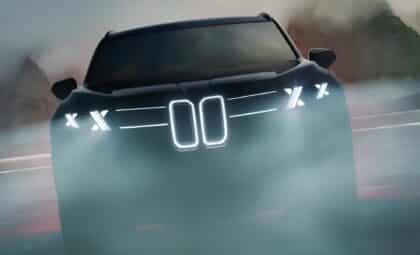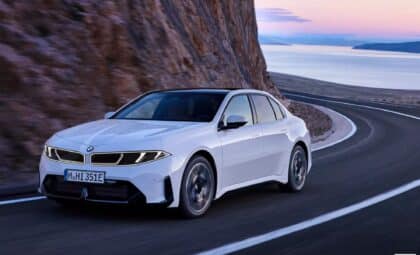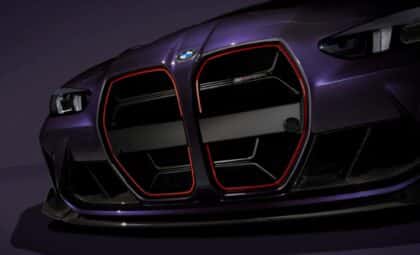

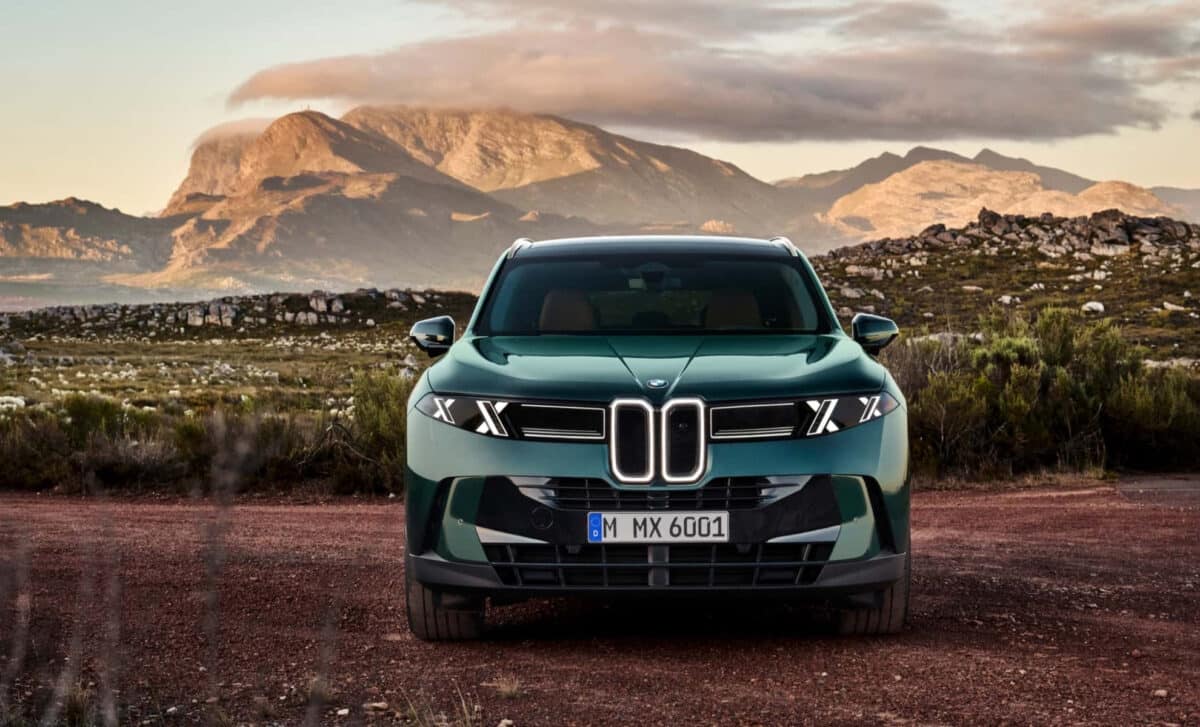
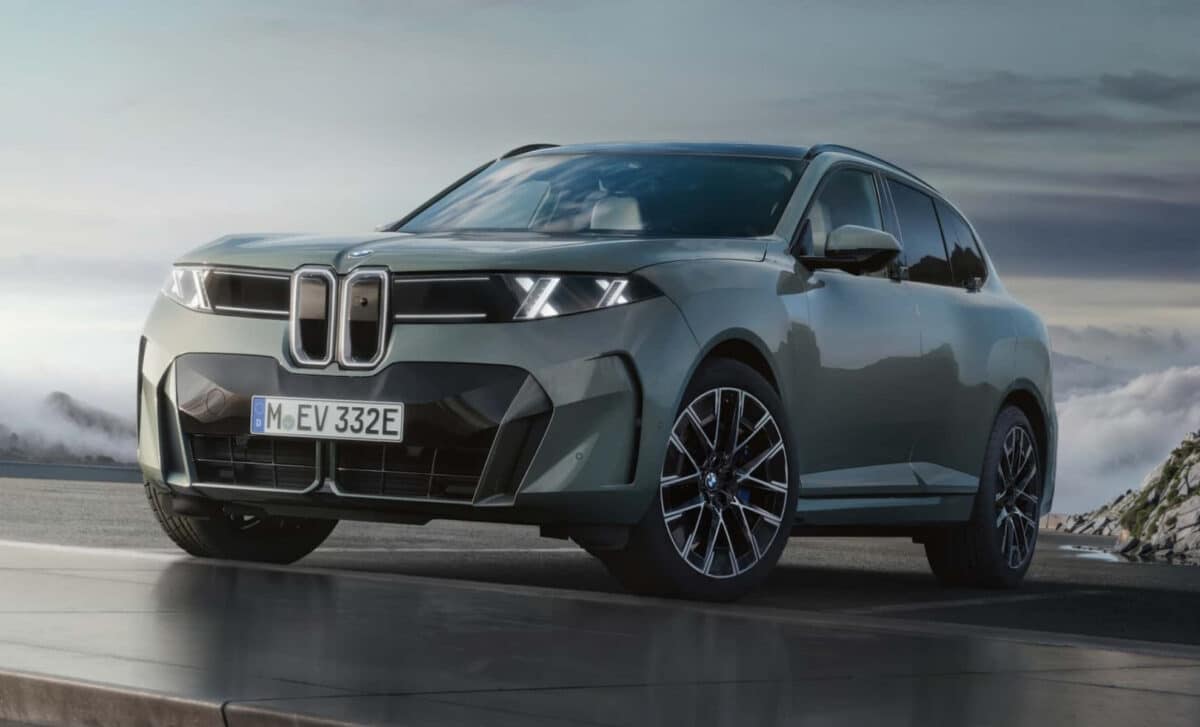
The fifth-generation X5 will become BMW’s first production model to offer five different powertrain types: gasoline, diesel, plug-in hybrid, electric, and hydrogen. At launch, the combustion-engine range will consist exclusively of inline-six gasoline and diesel engines, leaving the V8 absent from the initial lineup.
While the V8 is missing from the launch range, BMW has already confirmed its return. According to the manufacturer’s press release, the engine will power an M Performance version of the SUV rather than a full-fledged X5 M, extending the presence of the eight-cylinder engine within BMW’s portfolio.
BMW Plans to Introduce the V8-Powered Model in 2027
The V8-equipped X5 is scheduled to arrive sometime in 2027. The model is expected to carry the X5 M60 name, reflecting BMW’s ongoing decision to remove the “i” suffix from gasoline-powered vehicles. The change has already been introduced on several recent models, including the new X5 40 variants, while the “i” designation will now be reserved for fully electric vehicles.
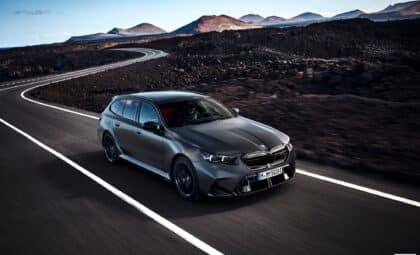
The future X5 M60 will sit within BMW’s M Performance range rather than becoming a full X5 M. The model will not use a plug-in hybrid powertrain. A 48-volt mild-hybrid system has not been ruled out, while emphasizing that such a system would add only a limited weight penalty compared with a plug-in hybrid setup.
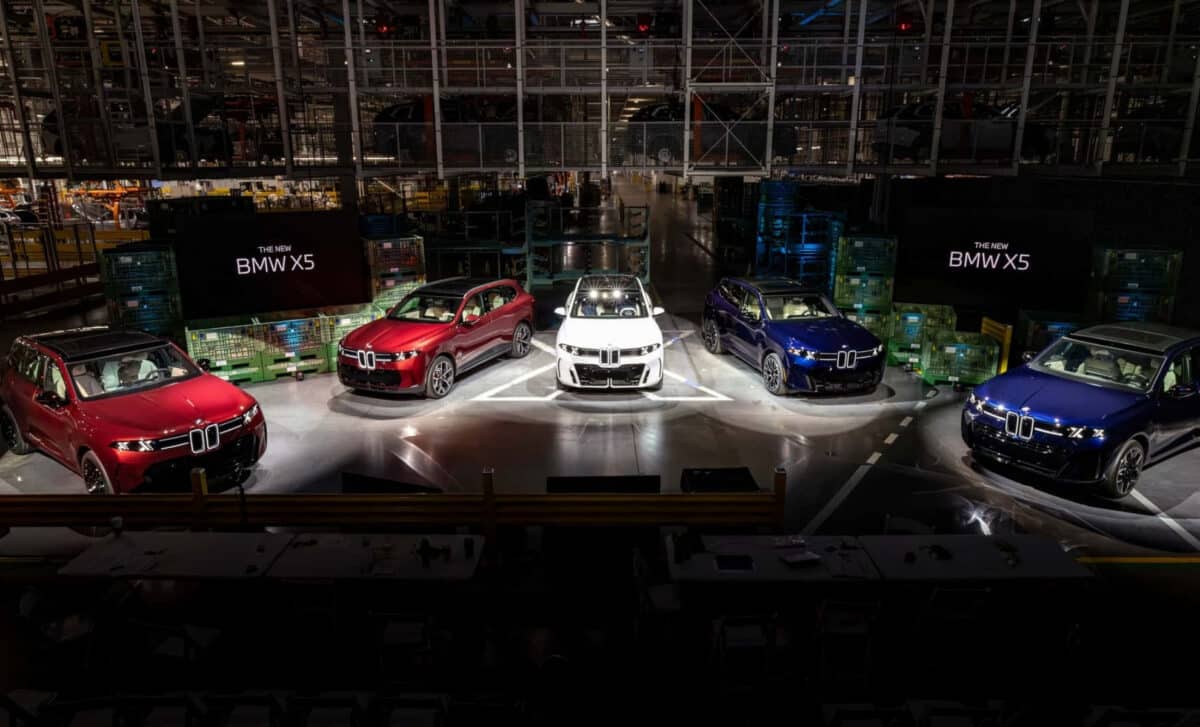
Three M Performance Versions Are Planned for the New X5
BMW is expanding the performance-oriented offerings for the new X5. At launch, buyers in markets outside the United States will have access to the X5 M60e, a plug-in hybrid M Performance variant that will not be sold in the U.S.
BMW is also developing a higher-performance version of the fully electric iX5. At the same time, the company has not committed to launching a full X5 M in either gasoline or electric form.
The previous-generation X5 remained in production for nearly eight years. BMW has confirmed that the next-generation X7 will debut in 2027 and is expected to feature the company’s V8 engine. The recently updated 7 Series is also set to receive a V8-powered M Performance version in 2027, while Alpina is developing its own V8-powered 7 Series and is expected to apply the same approach to the next-generation X7.
BMW’s V12 Remains Exclusive to Rolls-Royce
BMW continues to build its twin-turbocharged 6.75-liter V12 engine, although it is no longer installed in BMW-branded vehicles. The engine is assembled at the Hams Hall factory in the United Kingdom and is reserved exclusively for Rolls-Royce.
Rolls-Royce had planned to become an all-electric brand by 2030, but that plan is no longer in place. As a result, the V12 engine is also expected to remain in production into the next decade.
BMW’s confirmation of the V8’s future contrasts with the more public stance recently taken by Mercedes-AMG regarding its own V8 engines. BMW has never stated it intended to abandon large-displacement or combustion engines altogether. The company reduced the output of the V8 used in the M5 and XM to comply with Euro 7 emissions standards in affected markets, while no details have been announced regarding the output of the future X5 M60.