
The vehicle, internally referred to as the G65 X5, is positioned as a key step in BMW’s effort to keep its lineup adaptable across different regulatory environments over the next decade. It continues the evolution of the brand’s SUV design language while expanding its technical flexibility across several propulsion systems.
At the same time, early information suggests BMW is pushing further into alternative energy technologies with this model. According to BMW Blog, the new X5 may also mark the first time a hydrogen-powered BMW enters series production after years of global prototype testing.
A Redesigned Front-End Shaped by New Design Cues
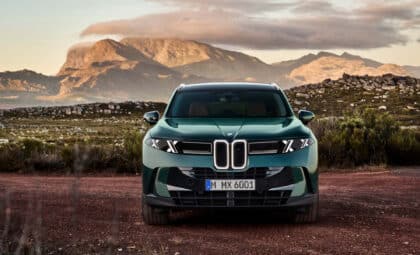
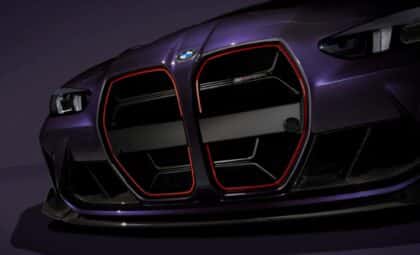
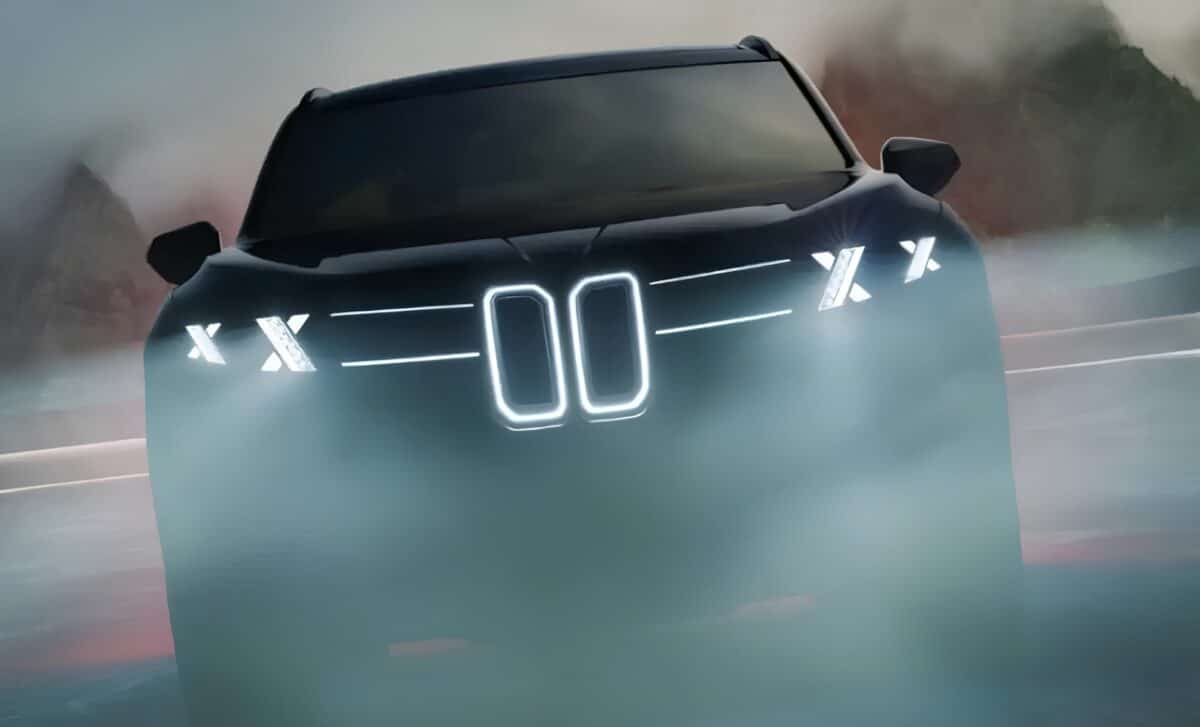
BMW’s latest teaser, shared on Instagram ahead of the official reveal, shows a front fascia that appears closely aligned with the brand’s newer design direction. The SUV features tall, slim kidney grille elements placed centrally, paired with a mask-like upper section where the headlights are positioned toward the outer edges.
BMW describes the new X5 as a “significant leap forward,” suggesting a clear departure from the outgoing G05 generation. The lighting signature introduces an X-shaped daytime running light motif, a detail expected to gradually extend across BMW’s SUV lineup.
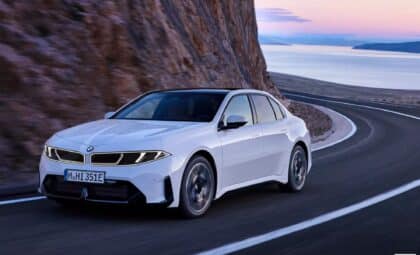
The teaser does not clearly confirm whether the design shown belongs to the combustion-powered version or the electric variant, leaving some ambiguity ahead of the full reveal. Still, the visual language aligns with the broader Neue Klasse-inspired styling approach already seen in other recent models referenced in the source material.
Multiple Powertrains Including Hydrogen Entering Series Production
One of the defining characteristics of the new X5 is its wide range of powertrain options. The model will be available with gasoline and diesel combustion engines depending on the market, alongside plug-in hybrid versions. It will also be offered as a fully electric vehicle, extending BMW’s multi-technology strategy across its SUV range.
BMW is also preparing a hydrogen-powered version of the X5, which would represent a significant milestone for the brand. The source notes that this would be the first time a hydrogen BMW enters series production, following decades of prototype testing across different global markets.
This multi-powertrain approach positions the X5 as a highly flexible model in BMW’s lineup, designed to remain relevant under varying regulatory conditions. The inclusion of hydrogen alongside electric and hybrid systems highlights the brand’s parallel development paths, rather than a single-technology transition.
Weight Expectations and Comparisons With Other BMWs
Early reports indicate that the upcoming G65 X5 could become the heaviest BMW ever produced. According to BMW Blog, the 2027 X5 may reach nearly 6,200 pounds, placing it above several of the brand’s largest current models.
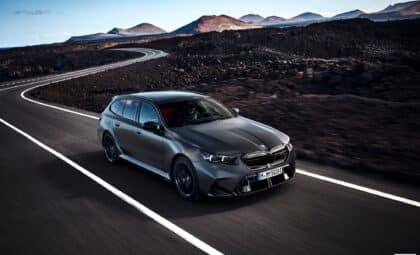
For comparison, the current G90 BMW M5 weighs 5,390 pounds, while the XM Label SUV exceeds 6,000 pounds. This is roughly comparable to the weight of the i7 electric limousine.
The discussion around weight reflects the increasing complexity of modern vehicles, which incorporate additional systems linked to electrification, hybridization, and performance requirements. Larger braking systems are also required to manage the added mass, contributing to a cycle where more technology often results in greater weight and further engineering demands.
The final specifications will only be confirmed at the official unveiling, but the current information already places the X5 among the largest and most technically diverse vehicles in BMW’s lineup.